
Best Okinawa Activities: Churaumi Aquarium, Blue Cave, Kerama Islands and Day Tours
- Iris

- 10 hours ago
- 9 min read
The best Okinawa activities are not automatically the attractions with the most reviews. They are the experiences that fit the geography of the itinerary and the amount of uncertainty the group can accept. Churaumi Aquarium requires a northern day. The Blue Cave needs a flexible half-day and suitable sea conditions. A Kerama boat can use the entire day and still change route. A coach tour or sightseeing taxi costs more than a local bus, but may return several hours of planning time.
This guide therefore treats booking as an allocation decision rather than a popularity contest. I compare each activity by time, transport, physical demands, family suitability, weather sensitivity, cancellation exposure and the best day of the trip. The goal is to identify one stable anchor, one signature experience and enough unbooked space to react when Okinawa does not follow the plan.
Quick decision|First visit: keep one northern day and choose either one marine activity or a southern cultural half-day. Families: prioritise Churaumi; use DMM Kariyushi for an airport-side or wet-weather slot. No car: a northern coach usually beats assembling several local buses. Three days: choose either Kerama or a full northern day. Typhoon risk: an indoor attraction is not a guarantee that transport and operations will continue.
How to choose Okinawa activities before comparing prices
Start with the least flexible participant. A traveller may fear open water, become seasick easily, struggle with Cape Maeda stairs, need a child’s nap, dislike long coach journeys or have a departure flight that removes the safe post-dive interval. An activity that requires everybody to accept one shared risk should not be booked simply because it is famous.
If this activity is cancelled, is there another complete day on which it can move?
Does the meeting point require an early transfer from Naha to Onna, Chatan or a port?
Does the price include admission, equipment, photographs, lunch, insurance and pickup?
Can every participant handle the boat, sun exposure, stairs, ear pressure or long seated travel?
Are you paying for the attraction itself, or for freedom from transport and planning?
Okinawa activities comparison table
The budget labels compare decision pressure, not advertised minimum prices. Marine tours and private transport vary by date, language support, equipment, pickup, photography and cancellation terms. The useful comparison is total cost plus the cost of failure, not the first number shown on a marketplace card.
Verified facts: fixed attraction rules versus product-specific conditions
Checked on 29 July 2026. Fixed attractions can be verified against official calendars. Marine-tour age, height, weight, medical, flight and refund rules must be checked on the exact product purchased. An operator-specific condition should never be presented as an Okinawa-wide rule.
Keep one stable anchor before adding weather-sensitive bookings
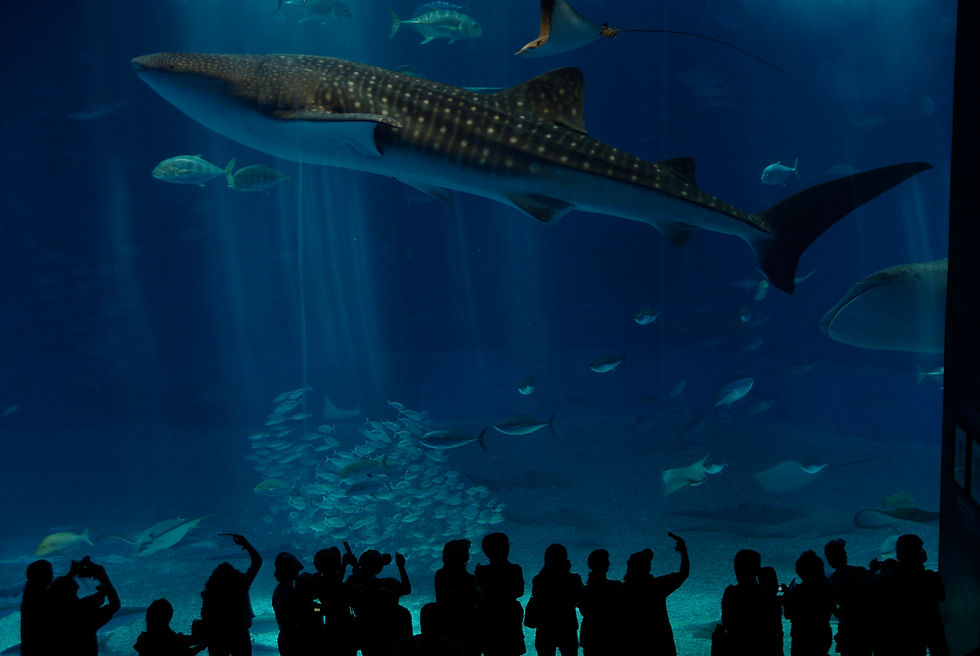
Churaumi Aquarium is a northern-day anchor, not a two-hour insert
The official aquarium visit may take roughly 1.5 to 2 hours, but travel from Naha, parking, Ocean Expo Park and any stop at Bise or Kouri turn it into a much larger commitment. Churaumi is the most dependable choice for a first visit, a family trip or an itinerary without marine activities. Its weakness is not the admission fee; it is the location.
Place it in the middle of a five-day trip, ideally while staying in Nago or Motobu, or reserve a full northern day. On a three-day visit, choosing Churaumi usually means dropping a full Kerama boat. Without a car, a string of local buses can save money but remove the freedom to add Bise, lunch and Kouri at useful times.

DMM Kariyushi solves an airport-side and wet-weather problem
DMM Kariyushi Aquarium sits on the airport side of southern Okinawa. It is shorter, indoor and easier to reach by bus or taxi, making it useful after arrival, before a late departure or during ordinary rain. It is not a small replacement for Churaumi. Visiting both makes sense for families and aquarium enthusiasts; most other travellers should choose the aquarium that solves the bigger transport problem.
Okinawa World is the strongest non-marine southern half-day
Gyokusendo Cave, cultural exhibits, crafts and park programmes can fill three to five hours. It tolerates ordinary rain better than an exposed island viewpoint, but indoor sections do not make it typhoon-proof. Roads, buses, opening decisions and outdoor performances can still fail. A late-flight final day may work; an early or midday departure should not be compressed around a prepaid ticket.

Blue Cave or Kerama: choose the kind of uncertainty you accept
Blue Cave: the easiest marine activity to fit into a road trip
The Blue Cave normally uses a half-day rather than the entire day. It is especially efficient from an Onna hotel and provides a structured first snorkeling experience. The trade-off is that the cave itself is never guaranteed. Cape Maeda can close its stairs or restrict water entry because of waves even under blue skies, while boat-entry products add pickup and seasickness questions.
I place it in the first half of the trip, preferably in the morning. The afternoon receives only Cape Manzamo, lunch, a café or hotel time. Anyone who refuses a backup site should read the changed-site and refund terms before payment; otherwise the tour can operate correctly while still feeling disappointing because the cave was unavailable.
Kerama snorkeling: a bigger marine day with bigger exposure
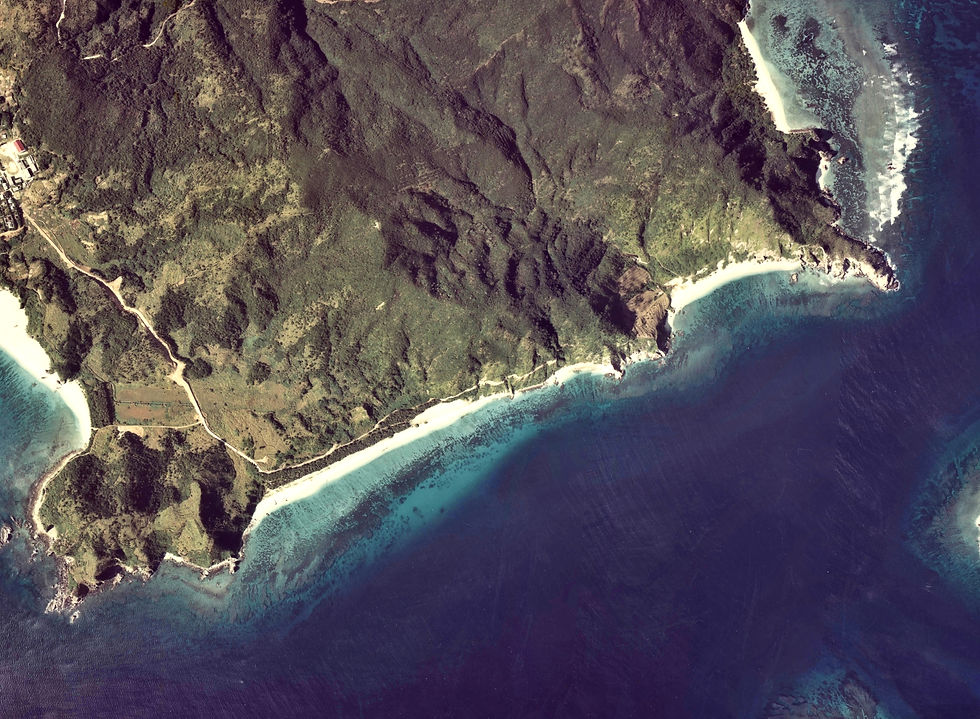
A Naha departure can be a half-day or full-day activity boat. The reward is a day centred on clear offshore water. The cost includes the crossing, seasickness, repeated entries, sea wind, sun exposure and the possibility of fewer points or different sites. Many activity boats do not provide meaningful island time; travellers who want beaches, villages and viewpoints should compare public ferries to Zamami, Aka or Tokashiki.
There is no universal family age range. Current products include ranges such as 6–59 and 6–60, while other operators review older participants against medical criteria. A failed health check at the meeting point may not be refundable. Families should send ages and relevant medical information to the operator before paying, rather than assuming a marketplace filter has confirmed eligibility.
Kerama discovery diving: reserve it for travellers who want to dive
Discovery diving adds regulator breathing, equalisation, a medical declaration and a no-fly interval. PADI sets a minimum age of 10 for Discover Scuba Diving, but operators may impose a lower maximum age; current Okinawa products can cap participation at 55 or 60. Some products state an 18-hour no-fly window after diving. The exact interval must follow the dive profile and operator guidance.
This is a poor final-day activity, a poor choice before a compulsory evening flight and a poor compromise for somebody joining only to follow friends. A nervous first-timer or traveller prone to seasickness may gain more from a calm Blue Cave snorkeling session than from spending the entire day enduring an offshore boat.
Detailed first-dive guide: Kerama discovery diving with SEASIR
Free stops still have an itinerary cost
Kouri Island belongs with Churaumi or a northern hotel
Kouri Island has no general admission fee, but the bridge and sea view are the purpose of the detour. Driving from Naha only for one photograph is a poor use of the day. Combine it with Churaumi, Bise or a Nago/Motobu stay. Strong wind, cloud and darkness remove much of its value, so Kouri should remain a flexible addition rather than a reservation-shaped obligation.
American Village is most useful as a flexible evening stop
American Village works for lunch, sunset, shopping and dinner without a single admission ticket. Its strength is flexibility, not irreplaceability. It fits an arrival or rental-car pickup day, a Chatan hotel or the end of a central-island activity. On a first three-day trip, I would not allocate the entire best-weather day to shopping and restaurants.
No-car Okinawa: local buses, coach tours or a private vehicle
Independent local buses are cheapest when the day has one or two stops. Once the route includes Churaumi, Kouri, Bise or several southern attractions, waiting and transfers consume the time saved by avoiding a tour. A coach tour buys a fixed meeting point, return time and cross-island logistics. The cost is fixed dwell time and less freedom at every stop.
A sightseeing taxi looks expensive for two people, but the value changes for three or four passengers, young children, older adults or substantial luggage. Hotel pickup, shorter walks and control over meals or rest stops can be more useful than adding another attraction. Confirm tolls, parking, overtime, child seats and luggage capacity before agreeing to a route.
Hotel location changes whether an activity is worth booking
Naha works for Kerama departures, southern coaches, DMM Kariyushi, urban sightseeing and no-car arrival or departure days. Onna works for the Blue Cave, resort time and central-island activities. Nago and Motobu remove much of the transport burden from Churaumi, Bise and Kouri. Many apparently expensive activities are actually suffering from the wrong hotel base.
A Naha guest booking an early Blue Cave tour may need a transfer or an unfamiliar drive. An Onna guest can return to the hotel immediately after the water. Conversely, an Onna guest joining a Naha-port Kerama boat may still travel south before sunrise. Map the hotel, meeting point and next-night accommodation before choosing the product.
Best combinations by traveller type
Where activities fit in three-day and five-day itineraries
Three days
Day 1: choose Naha, DMM Kariyushi or American Village according to arrival time.
Day 2: choose a Churaumi northern day or a Kerama full-day boat.
Day 3: use Shuri, Okinawa World or the city; do not schedule discovery diving before departure.
Five days
Day 1: light Naha schedule and practical arrival tasks.
Day 2: Blue Cave or Kerama while a reschedule remains possible.
Day 3: central Okinawa and hotel time; exchange with Day 2 if the sea cancels.
Day 4: Churaumi, Bise and Kouri as the northern day.
Day 5: southern culture, DMM or direct return according to the flight.
Build the route with: Okinawa 5-Day Self-Drive Itinerary | Naha Without a Car | Okinawa Rainy-Day Guide | Okinawa Car Rental Comparison
How to allocate the activity budget
Spend first on removing the largest logistical problem. For two no-car travellers, a northern coach may be more rational than a private vehicle. For a family of four, a sightseeing taxi divided per person may not sit far above four tour seats, while restoring hotel pickup and rest-stop control. From an Onna hotel, Blue Cave pickup has less value; from Naha, it can matter more than a small difference in tour price.
Do not pay separately for a rental car, a northern tour and private transport that solve the same movement problem. Choose the transport model first, then buy admission. Marine tours also need a total-price check: photographs, equipment, insurance, lunch and pickup can turn the cheapest headline into the more expensive final product.
Cancellation scenarios: refunds are not the only loss
A Blue Cave tour may move to another safe site and operate without a refund. A Kerama boat may visit fewer points or a different route and still count as delivered. A coach tour may shorten a stop because of traffic without becoming a fully refundable cancellation. The key question is whether you accept a changed experience, not only whether money returns.
Before payment, capture the meeting point, check-in time, included items, eligibility rules, changed-site policy, customer-cancellation fees and contact method. Recheck official operation the day before rather than relying on an order that still says confirmed. If flights, hotels and the rental car cannot move, the most weather-sensitive activity should not occupy the trip’s only critical slot.
Rainy season and typhoon season require different backups
Light rain does not automatically cancel snorkeling, and sunshine does not guarantee Blue Cave access. Marine decisions depend more on wind, waves, lightning and the operator’s safety judgement. During the rainy season, use a morning marine slot and keep DMM, Okinawa World, a museum or shopping as the afternoon alternative.
A typhoon is different. Indoor attractions may close, buses and roads may stop, and getting back to the hotel can become the main issue. The backup must confirm that transport still operates, the attraction is open and the return route remains safe. Flights, accommodation, rental-car instructions and personal safety come before preserving a ticket.
Final recommendation: spend on the most irreplaceable experience
For a first Okinawa trip, I rank activities by irreplaceability. Choose Churaumi for a stable northern and family anchor. Choose the Blue Cave for a manageable first marine half-day. Choose Kerama only when the full-day boat, seasickness exposure and cancellation risk are genuinely part of the experience wanted. Without a car, spend to remove the northern transport problem rather than chasing the lowest standalone ticket.
Kouri Island, American Village and coastal stops provide flexibility. DMM Kariyushi and Okinawa World protect travellers who do not enter the water and give the itinerary useful wet-weather alternatives. A five-day trip with only two fixed anchor activities is often more resilient—and more enjoyable—than five consecutive reservations.
Official verification links
Official sources: Churaumi Aquarium | Cape Maeda | Okinawa World | DMM Kariyushi | Kerama official guide | Okinawa sightseeing taxis
Last checked: 29 July 2026. Recheck opening calendars, admission, ferry operations, medical eligibility and cancellation terms before travel.


Comments