
Hirafu Ski Guide: Great Powder, Big Crowds—How to Handle Both
- Iris

- Dec 17, 2025
- 3 min read
Updated: Jul 17
Hirafu can be brilliant and exhausting on the same day. The powder is often as good as its reputation, but so are the queues, crowded beginner runs and fully booked restaurants. After spending a winter in Niseko and returning to Hirafu in all kinds of weather, I found that enjoying it is less about chasing every famous run and more about choosing the right time and place to ski.



Is Hirafu right for you?
Hirafu is a strong choice if you want a large ski area, plenty of restaurants and accommodation, and the chance to find good tree skiing after fresh snow. It also gives you more options when wind or visibility closes part of the mountain.
You may prefer Annupuri, Hanazono or another Hokkaido resort if long queues quickly ruin your day, or if you mainly want quiet groomed runs and a slower village atmosphere.
The busiest part of the day

Start early after overnight snow if fresh tracks matter most.
Use single-rider lines when your group does not need to sit together.
Avoid repeatedly returning to the busiest base lifts once the mountain is fully open.
Where the snow usually feels best
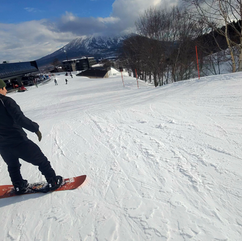
The lower mountain is convenient for beginners, but it becomes crowded and the snow can turn heavy later in the day. Intermediate and advanced riders will often find better snow higher up or near suitable tree runs, provided visibility, wind and patrol restrictions allow it.
Tree skiing is a major part of Hirafu’s appeal, but it should not be treated casually. Stay within your ability, follow gate and patrol rules, and do not enter unfamiliar terrain alone.
Lunch without losing half the day
Mountain restaurants can be packed around noon. Eating slightly early or late saves time, and carrying a snack is useful when every table is full. Hirafu has good food, but a ski day does not need to revolve around queuing for one famous dish.
What to do when the lower runs turn heavy
Sunny afternoons can make lower-elevation snow soft and tiring. Instead of forcing the same runs, move higher if conditions are suitable, take a proper break or save some energy for the evening session.
Night skiing is one of Hirafu’s best features

Book dinner before peak season
Popular Hirafu restaurants can fill up days or weeks ahead. Reserve the places you care about, and keep one easy backup such as a casual restaurant, food truck or simple meal at your accommodation. Walking from one full restaurant to another after skiing gets old very quickly.
A simple Hirafu plan
Arrive early after fresh snow, or start later if shorter queues matter more.
Move away from crowded base lifts once more terrain opens.
Eat outside the noon rush and carry a small snack.
Adjust your area when the snow becomes heavy or visibility changes.
Keep enough energy for night skiing and reserve dinner in advance.
Further reading
More reading
Related guides
Best True Ski-in/Ski-out Hotels in Niseko: What Actually Counts|Why Hokkaido’s “Japow” Powder Snow Feels So Different


Comments