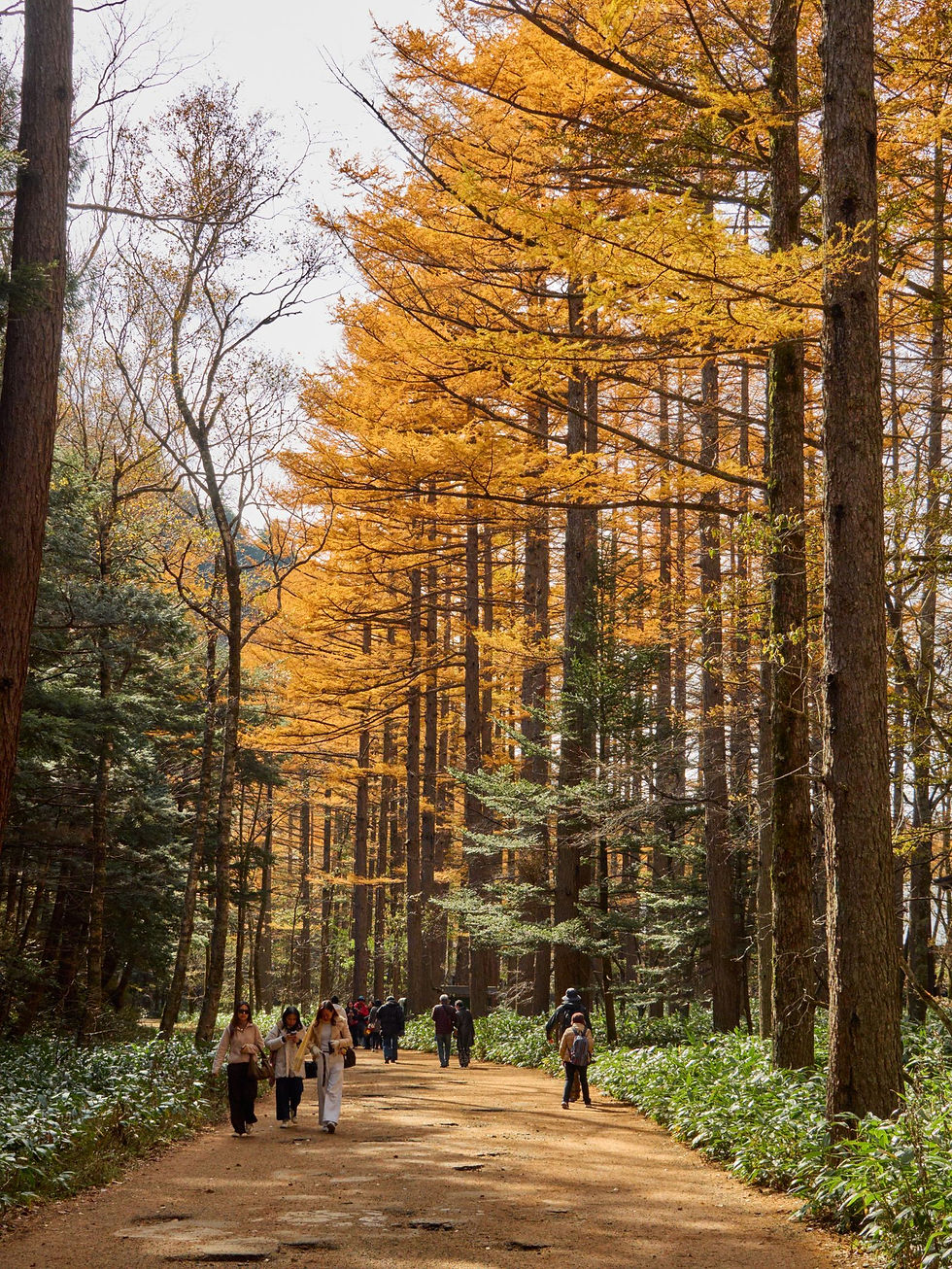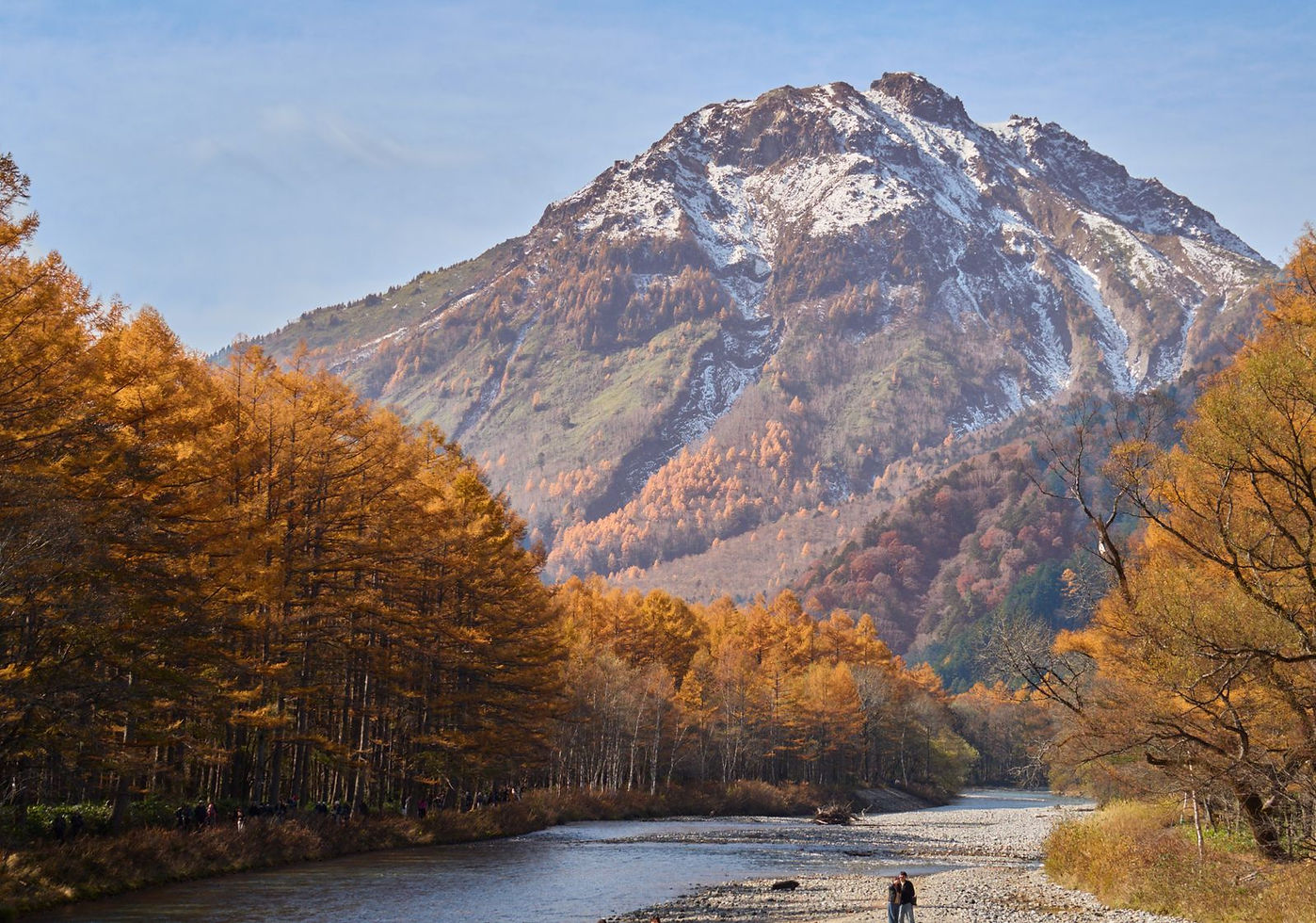
Japan Autumn Leaves Early October: Hokkaido, Tohoku and Kamikochi
- cody
- 2 days ago
- 4 min read
Early October is a specialist foliage window: alpine Hokkaido, high Tohoku and select Central Japan mountain corridors. The efficient plan isn’t to link all three just because their colour windows overlap historically — pick one gateway, protect the scarce mountain transport, and build a lower-elevation recovery day within that same region.
Last checked on August 4, 2026. Japan’s comprehensive 2026 foliage forecast wasn’t available yet, so the date bands below are historical, elevation-based planning ranges. Confirm current photos, ropeway status, summit visibility, frost or snow, trail closures and the final bus about a week before you travel. Published 2026 operating dates are a separate thing from foliage timing, so check both.
Choose the corridor by date, gateway and failure cost
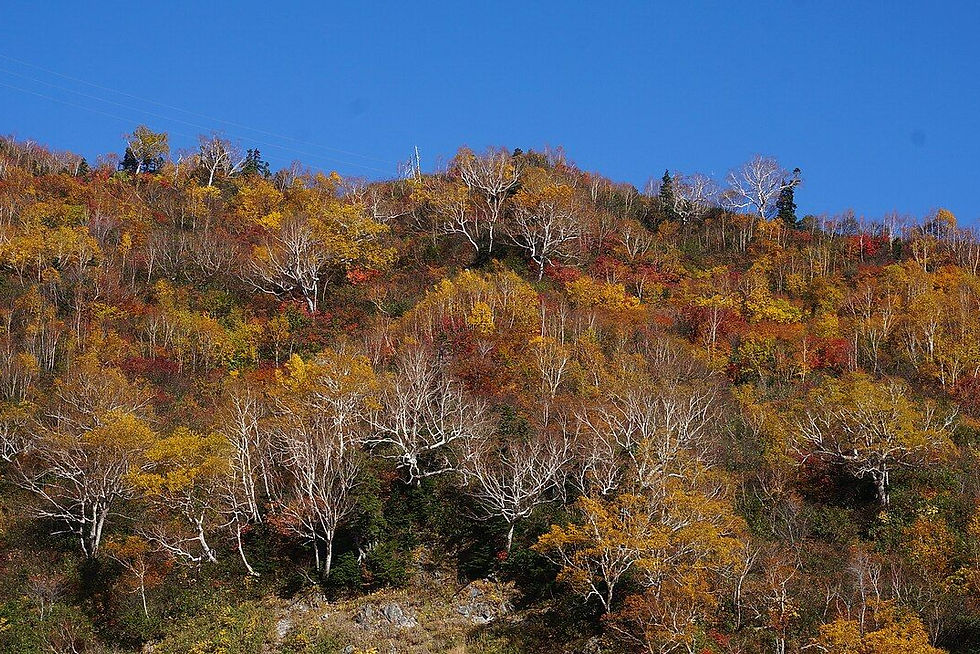
For October 1–5, Asahidake, Kurodake, Ginsendai and upper Tateyama are the logical starting points. Asahidake and Kurodake are reached differently and deserve separate days even if you have a car. Asahidake suits travelers comfortable with exposed high-altitude walking around Sugatami; Kurodake works well as a ropeway, chairlift and Sounkyo onsen combination. Only add Ginsendai once the 2026 access restrictions and shuttle arrangements are officially confirmed.
For October 6–10, Hakkoda, Hachimantai, Mount Kurikoma and Kamikochi become stronger options. Hakkoda is easy to recover from Aomori, since a wind closure can be swapped out for Sukayu, lower roads or the city itself. Hachimantai and Kurikoma depend more on seasonal buses or confident driving. Kamikochi’s central access requires an authorised bus or taxi, while Tateyama is a chain of transfers where a single queue can throw off the whole crossing.
For October 11–15, assume the highest zone may already be past peak until current photos prove otherwise. Drop down to lower Hakkoda, upper Oirase, lower Sounkyo or the valley floor at Kamikochi instead. What actually limits you is daylight and the last departure, not how many places you’ve bookmarked on a map. If you’re still deep on a trail after 2pm, that’s usually a sign the itinerary has no safe recovery margin left.

Five days in Hokkaido: Asahikawa, Asahidake and Kurodake
Day 1: arrive in Asahikawa and reset your luggage near the station. Day 2: Asahidake only, using the earliest practical transfer and a short Sugatami-area route before heading back to the city. Day 3: move to Sounkyo, with the lower waterfalls or onsen after check-in. Day 4: take the first Kurodake ropeway and only add the chairlift if wind, visibility and trail conditions cooperate. Day 5: return to Asahikawa or Sapporo. The upside is two independent shots at good weather; the cost is scarce mountain rooms and fixed transport.
A car-free trip is realistic, but Sapporo shouldn’t be your only base if the mountain is the whole point — the extra travel time eats into your best morning visibility and raises the risk of missing your final connection. International drivers should carry whatever documentation is valid for their licence, confirm the winter-equipment policy, and cancel mountain driving if frost or snow goes beyond their experience level. A non-refundable room is never a reason to push on down an unsafe road.

Five days in Tohoku: choose Aomori or Morioka, not both
The Aomori version runs Day 1 in Aomori, Day 2 for Hakkoda and Sukayu, Day 3 for Oirase or Lake Towada, Day 4 as a lower-risk Hirosaki or city day, and Day 5 for departure. Keep Hakkoda and Oirase on separate days — a ropeway queue, wind suspension or delayed bus can easily wipe out whatever you’d planned second. An onsen stay improves your dawn access, but get written confirmation of the shuttle, meal time and luggage policy first.
The Morioka version should pick either Hachimantai or Kurikoma as its single mountain day, with a rail-accessible recovery day in Morioka, Sendai or Naruko. Don’t leave seasonal buses to sort out after you arrive — if the operating calendar, reservation method or final return doesn’t fit your plan, the right moves are a rental car, a charter, a different valley, or dropping the mountain day altogether, not improvising a connection on the fly.
Four or five days in Central Japan: Kamikochi or Tateyama
For Kamikochi, base yourself in Matsumoto for two or three nights. Use Day 2 as your full mountain day and keep Day 3 open for Norikura, the city, or a weather recovery. An overnight in Kamikochi is worth it for dawn light, slower walking or a second forecast window, but international travelers should confirm dinner deadlines, room heating, English communication and what happens if the inbound bus runs late.
For Tateyama, decide between a round trip from Toyama and a full crossing to Shinano-Omachi before you book. Extra Tateyama Cable Car departures are officially scheduled for October 3–4 and October 10–12, 2026, including early departures from Tateyama Station — that adds capacity, but it doesn’t guarantee peak colour. Forward your main suitcase to the next city, carry a compact bag, and confirm the final connection from Murodo before committing to a long walk.
Booking order for international travellers
Lock in the scarce item first — mountain hotel, seasonal bus, reserved seat, web-ticketed ropeway slot or hotel shuttle — then fit flexible JR trunk travel around it. Use Asahikawa, Aomori, Morioka, Matsumoto or Toyama as your suitcase base and carry just one overnight bag into the mountains. Confirm whether the hotel accepts luggage forwarding, the final check-in and dinner cutoff, breakfast timing, tax, room heating, cancellation deadline and the time zone the booking platform uses.
A few location examples: JR Inn Asahikawa, OMO7 Asahikawa, Sukayu Onsen Ryokan, Hotel Metropolitan Morioka New Wing and Hotel Buena Vista Matsumoto. These are meant to illustrate different base strategies, not live availability or fixed prices. A gateway hotel is better for laundry, English support and changing your route; a mountain hotel is better for the first departure, dinner, and not having to descend late.
Five failure scenarios and the correct response
High zone past peak: drop down within the same corridor. Leaves still green: only move higher if transport and weather are safe. Ropeway closed by wind: switch to lower valleys, onsen, museums or the gateway city. Snow in the forecast: cancel mountain driving unless you have the experience and equipment for it. Bus or hotel sold out: stay at the gateway and pick a rail-accessible day trip rather than heading farther out. The goal is a safe trip, not defending your original spreadsheet.