Kyushu Autumn Leaves: Timing Map from Fukuoka to Yufuin, Unzen and Takachiho
- cody
- 4 days ago
- 6 min read
Quick answer: Kyushu autumn leaves do not share one island-wide peak. Late October favours Kuju, Makinoto and higher Unzen; early November shifts toward Yufuin, Yabakei and lower Aso; mid-November adds Takachiho, Akizuki and Raizan; late November into early December is better for Takeo, Mifuneyama, lower Fukuoka and protected city gardens. With five days, choose one corridor. With seven days, connect no more than two neighbouring corridors.
Last checked August 4, 2026. Detailed 2026 live colour reports had not opened. Current JR Kyushu Rail Pass counter prices are ¥15,000/¥17,000 for the Northern Kyushu 3-/5-day passes and ¥22,000/¥24,000/¥26,000 for the All Kyushu 3-/5-/7-day passes. Subways, local buses, other companies' railways and the Sanyo Shinkansen between Kokura and Hakata are not covered.
Elevation matters more than prefecture names
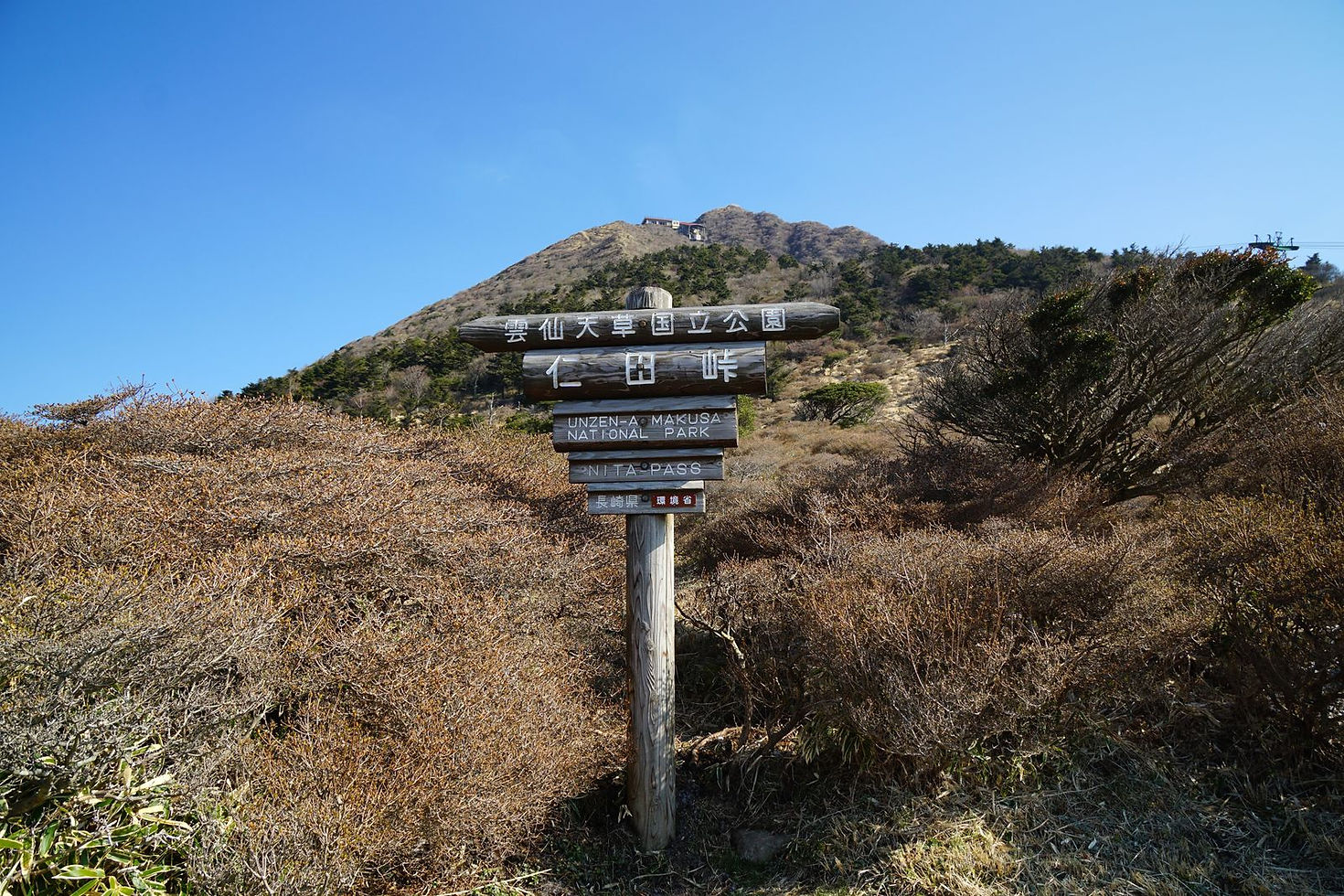
Kuju, Makinoto Pass and Unzen Nita Pass are earlier, colder and more exposed to wind, frost and rapid leaf fall. Yufuin, Yabakei and Takachiho sit later in basins and gorges. Fukuoka lowlands, Takeo and lower Nagasaki can remain useful after the mountain season has weakened. A single November date therefore cannot describe all of Kyushu.
Book a base that can reach both a higher and a lower alternative. Yufuin or Beppu can handle Kuju plus lowland onsen days. Fukuoka can handle Dazaifu, Akizuki and northern Kyushu. Kumamoto connects Aso and Takachiho. Nagasaki or Takeo covers Unzen and later western-Kyushu colour. This is more resilient than booking an isolated mountain hotel around a historical peak date.
Travel period | Primary corridor | Same-region backup |
|---|---|---|
Late October | Kuju, Makinoto, upper Unzen | Yufuin, Beppu or Unzen Onsen |
Early November | Yabakei, Yufuin, lower Aso | Hita, Beppu or Kumamoto city |
Mid-November | Takachiho, Akizuki, Raizan, lower Unzen | Fukuoka, Kumamoto or Nagasaki lowlands |
Late Nov–early Dec | Mifuneyama, Takeo, lower Fukuoka | Nagasaki, Dazaifu or city gardens |
Use the table to choose the hotel corridor, not to guarantee colour. If upper Kuju is bare in late October, descend to Yufuin or Beppu. If Yabakei is past peak in mid-November, remain around Hita, Fukuoka or lower Takeo instead of crossing the island for a speculative photograph.
Corridor 1: Fukuoka, Dazaifu, Akizuki and Raizan
Fukuoka is the easiest first base for travellers without a car, but it is a northern-lowland base, not a platform for every Kyushu mountain. Dazaifu is the simplest day trip. Akizuki requires advance checking of the return bus. Raizan often needs a bus, taxi or organised tour for the last segment. Attempting all three in one day creates a transport itinerary rather than a foliage day.
Stay near Hakata for airport access, JR travel and luggage handling; stay around Tenjin for Nishitetsu and city dining. If Yufuin, Beppu or Yabakei is the main objective, keep Fukuoka for the first and final nights rather than commuting from it every day.
Corridor 2: Hita, Yabakei and Nakatsu
Yabakei is not one compact attraction. Hitome Hakkei, Ao-no-Domon, Rakanji and Keisekien are dispersed. A rental car can form a loop from Hita or Nakatsu; public-transport travellers should choose one principal zone and accept bus and walking limitations. The route should be built around the return service, not a long list of viewpoints.
Hita works well from Fukuoka and connects onward to Yufuin or Beppu. Nakatsu is better for the northern Yabakei side. Staying only in Fukuoka consumes the best morning and late-afternoon hours in transit. For three or four travellers, a short rental may be efficient, but include insurance, non-operation charges, fuel, parking and driver fatigue in the comparison.
Corridor 3: Yufuin, Beppu, Kuju and Kokonoe
This is Kyushu's strongest combination of rail, onsen and mountain access. Yufuin no Mori is reserved-seating only, and JR Kyushu currently warns of consistently high demand. A rail pass does not create a seat; reserve it separately. If it is sold out, consider the Kokura–Oita route, another limited express or a highway bus instead of waiting until travel day.
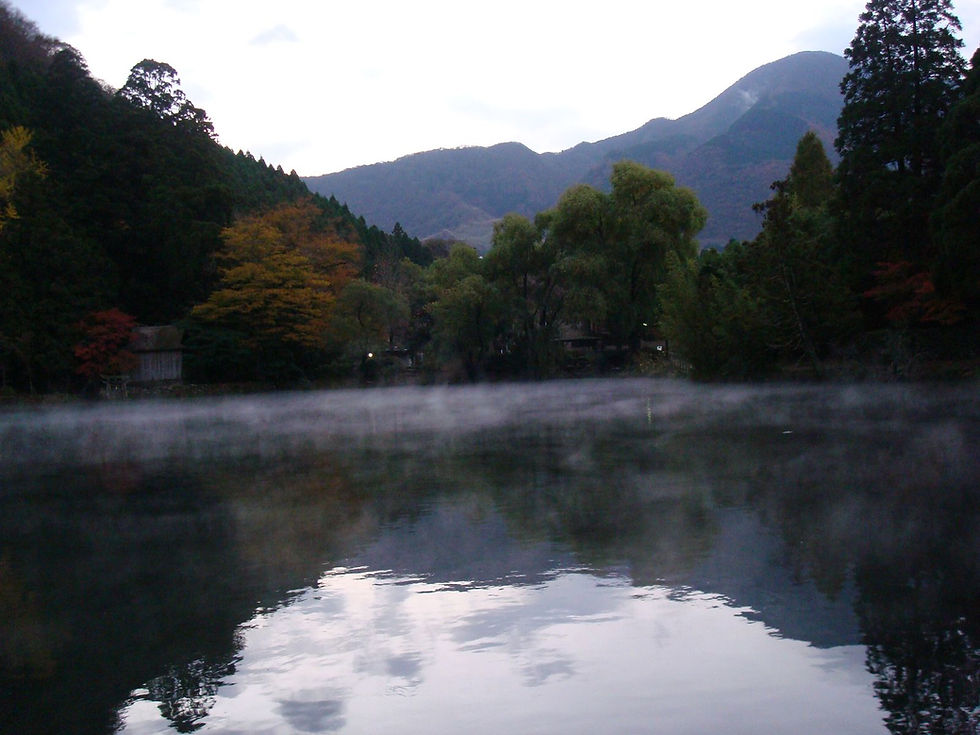
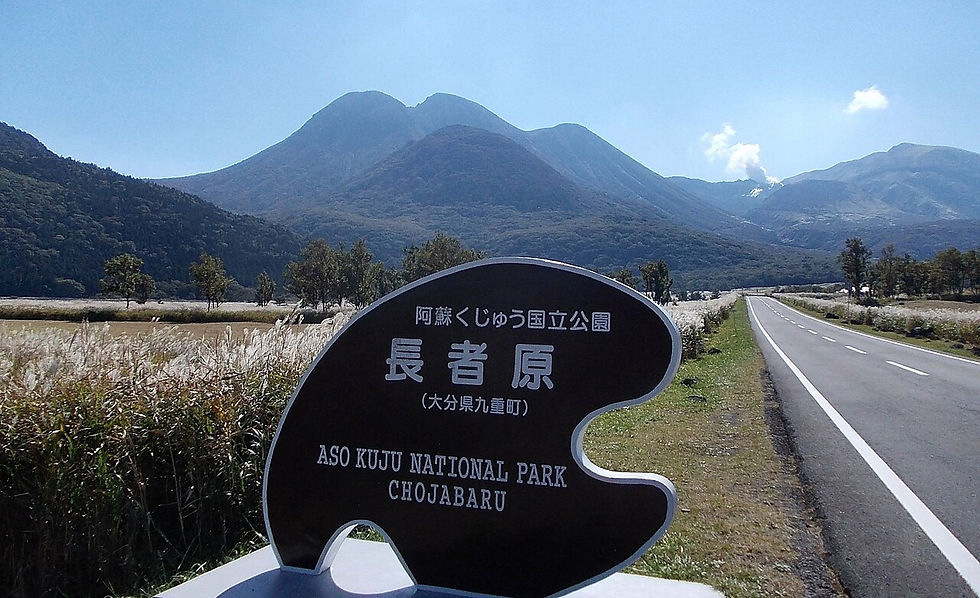
Stay in Yufuin for Lake Kinrin at dawn, a ryokan dinner or an early Kuju departure. Stay in Beppu for larger hotel supply, onward rail travel and a lower-cost backup. Kuju, Chojabaru and Makinoto Pass remain a separate mountain layer. A Yufuin hotel does not solve the last-mile bus or road automatically.
When strong wind, frost or fog affects the high route, descend to Yufuin, Beppu or Hita. Do not make a first-time night drive into the mountains simply because one social-media post shows fresh colour.
Corridor 4: Kumamoto, Aso and Takachiho
Takachiho is not a casual Fukuoka day trip. The official tourism association lists the Fukuoka Airport highway bus at about 3.5 hours with limited daily reserved departures. From Kumamoto, limited reserved buses also operate. From Miyazaki or Oita, many travellers reach Nobeoka first and continue by a local bus of roughly 90 minutes.
The gorge boat and the intercity bus are separate reservations. Current official rules generally open online boat reservations from two weeks before until two days before, while same-day tickets can sell out early and operations depend on water and weather. One overnight separates the gorge, kagura, transport and weather risks. A day trip only works for travellers with fixed services and no large luggage.
Kumamoto–Aso–Takachiho suits a partial rental or reserved-bus itinerary. It does not combine naturally with Fukuoka and Yufuin inside a relaxed five-day trip. Volcano access, visibility and roads can change; use Kumamoto city, onsen or Takachiho cultural sights as the same-corridor Plan B.
Corridor 5: Nagasaki, Unzen, Takeo and Mifuneyama
Upper Unzen generally leads Takeo and Mifuneyama. They can form one western-Kyushu corridor, but repeated Fukuoka returns waste the useful evening and morning hours. Unzen requires a bus, taxi or car for the final segment; Takeo benefits from the Nishi Kyushu Shinkansen and JR connections. Staying in Takeo or Ureshino after an evening event protects the itinerary better than a late return to Fukuoka.
Until 2026 nighttime-event dates and ticket rules are announced, book only cancellable accommodation. Do not reuse a previous year's Mifuneyama dates, clear-out rules or photography restrictions. If the mountain colour has finished, Nagasaki, Takeo Onsen and lower gardens remain viable.
Public transport, partial rental and Rail Pass decisions
Public transport is strongest for Fukuoka, Dazaifu, Yufuin, Beppu, Takeo, Nagasaki and Kumamoto. Partial rentals make more sense in Yabakei, Kuju, outer Aso and the final Unzen segment. A full-trip rental is most useful for three or four people who can manage mountain roads and who are not spending most nights in dense city centres.
Calculate eligible JR fares before buying a pass. Northern Kyushu Passes do not cover local buses, subway rides, rental cars, ropeways or the Sanyo Shinkansen between Kokura and Hakata. Yufuin no Mori is reserved-only, and a pass holder still needs a reserved seat. The rural final mile is often the most expensive and fragile part of the route.
Forward the full suitcase between Fukuoka, Beppu, Kumamoto and Nagasaki, and carry an overnight bag into mountain or ryokan stays. Confirm dinner, final check-in, children's meals, parking and luggage acceptance. A workable train arrival does not guarantee the ryokan will accept a late arrival.
Hotel bases and night allocation
Use Fukuoka for two or three nights for the airport, Dazaifu, Akizuki and northern Kyushu. Add one Hita or Nakatsu night for Yabakei. Use two Yufuin/Beppu nights for Kuju and onsen. Use one or two Kumamoto nights plus one Takachiho night for Aso. Use one or two Takeo/Nagasaki nights for Unzen and later foliage. Even a seven-day trip should not change hotels every night.
JR Kyushu Hotel Blossom Hakata Central, Hotel Socia Hita and AMANEK Beppu YULA-RE are useful location examples. Yufuin Ubl Hotel and Solest Takachiho Hotel illustrate overnight alternatives. They are examples of base roles, not current availability or price claims.
Colour, transport and weather Plan B
When high areas remain green, move only one elevation higher inside the same corridor. When they are bare, descend to Yufuin, Fukuoka, Takeo or Nagasaki. If a bus is sold out, retain the hotel base and choose a JR-accessible sight rather than crossing Kyushu at the last minute.
In heavy rain, fog, strong wind or a volcano/road alert, cancel gorges, boats, ropeways and unfamiliar mountain driving. Replace them with onsen, cities, museums and lower gardens. A rental car improves access but does not eliminate weather or fatigue risk.
Frequently asked questions
What is the best month for Kyushu autumn leaves?
Mid-November offers the widest choice. High mountains can begin in late October, while lowlands can continue into late November or early December.
Do I need a car?
No. Use rail and buses for city and onsen corridors, then rent locally for Yabakei, Kuju, outer Aso or the final Unzen segment.
Can Takachiho be a Fukuoka day trip?
A direct bus exists, but the trip is about 3.5 hours each way with limited reserved departures. Stay overnight for the gorge, kagura or boat.
Is a JR Kyushu Rail Pass always worthwhile?
No. Add eligible JR fares first, then calculate buses, subway, rental and mountain last-mile costs separately.
Related reading
Official sources and last verification
Dynamic information was last checked on August 4, 2026. Exact 2026 colour reports, some mountain buses, roads and autumn nighttime events remained unannounced.