Escaping Fukuoka: An Oita Getaway from Hita’s Attack on Titan Pilgrimage to a Luxury Private Onsen in Yufuin
- Cody Tse
- Dec 21, 2025
- 4 min read

I’ve been in Fukuoka on a working holiday for a while now. Living in Japan sounds dreamy—and it is—but after enough days of working nonstop and constantly budgeting to save money, fatigue inevitably sets in.
A few weeks ago, I finally managed to line up several days off. This time, I decided not to travel like a “budget backpacker,” but to treat myself a little better. The plan was simple: head to neighboring Oita Prefecture, stop by Hita to visit the Attack on Titan pilgrimage sites, then spend the night at a private onsen ryokan in Yufuin.
If you’re also looking to escape everyday life in Fukuoka, this “recharge itinerary” is ready to copy and paste.
Stop 1: From Fukuoka to Hita — Getting Off the Train on Purpose

When you take a JR train from Hakata to Yufuin, you will inevitably pass through Hita Station. Most people stay on the train—but I strongly recommend getting off, especially if you’re an anime fan.
1. Coming for Attack on Titan

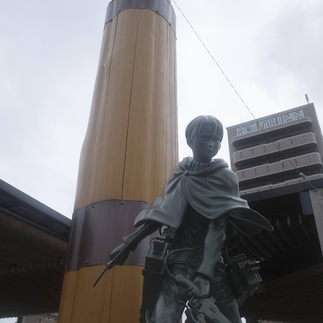


Hita is the hometown of Hajime Isayama, the creator of Attack on Titan. You’ll notice it immediately after exiting the station: character standees, themed displays, and merchandise everywhere.
For those of us who grew up watching anime, seeing the bronze statue of Captain Levi standing there is an incredibly direct kind of emotion. It’s not poetic or subtle—you just think, “I can’t believe I’m actually here.”
2. Hita Yakisoba: Surprisingly Addictive Texture

Since I was already there, I grabbed lunch. Hita’s signature dish is Hita yakisoba, and it’s nothing like the soft, oily fried noodles I’m used to in Fukuoka.
Here, the noodles are pan-fried until both sides are golden and crispy. When you bite in, they crunch. Combined with heaps of bean sprouts, the texture is incredibly satisfying. After weeks of convenience-store meals, this plate felt genuinely therapeutic.
💡 Veteran tip: There are coin lockers at Hita Station. Drop your luggage first—don’t be that person dragging a suitcase around town.
Stop 2: One Luxurious Night in Yufuin — Spending Money Where It Matters

After leaving Hita, I arrived in Yufuin in the afternoon. This time, I splurged on a higher-end ryokan: Okuyado Musoen – Kaze no Mori.
After working so hard, this felt like exactly where my money should go.

1. A Painful Lesson About Shuttle Buses
Here’s a mistake you shouldn’t repeat. This ryokan offers a free shuttle bus, but I was so busy that I completely forgot to reserve it. I only realized after arriving at the station—no shuttle, no ride.
Lesson learned: once you book your ryokan, immediately confirm the shuttle service. Don’t end up improvising like I did.
2. A Private Open-Air Bath Changes Everything

The moment I entered the room, all the fatigue disappeared. The room came with a private outdoor onsen.
After living in the city, having a completely private space feels rare. No crowded public baths, no awkward eye contact with strangers—just soaking whenever I wanted, listening to the wind in the trees. Honestly, this onsen alone justified the room rate.
3. Dinner Unboxed: Autumn Kaiseki at Its Best

Since this was a “reward trip,” dinner was the highlight. The ryokan serves creative kaiseki with Western influences. I visited in early October, and the seasonal ingredients were impressive.


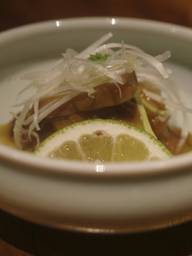


Appetizers: Pumpkin mousse, chestnuts arranged like artwork, and tuna rolls—pure autumn on a plate.
Sashimi: I have to single out Seki Aji, Oita’s premium horse mackerel. Zero fishiness, incredibly firm texture—nothing like discounted supermarket sashimi.
Main course: Oita wagyu sukiyaki. Lightly swished, dipped in egg and grated yam. The fat melted instantly, and in that moment I honestly thought, “I’m glad I worked hard for this.”
Stop 3: Wandering Yufuin — Half a Day as a Casual Culture Seeker
The next morning, after sleeping in, enjoying a morning soak, and finishing a generous breakfast, I headed out to explore Yufuin.
1. COMICO Art Museum: Kengo Kuma × Takashi Murakami

Before the crowds arrived, I visited COMICO Art Museum. I’m no art expert, but this place is absolutely worth it.
Designed by Kengo Kuma, the black exterior is striking. Inside, you’ll find Takashi Murakami’s sunflowers and Yayoi Kusama’s polka-dot pumpkins. The collection is small and easy to finish, but every angle is photogenic—perfect for Instagram Stories.
2. Yunotsubo Street: From Showa Nostalgia to Fairy Tales
Next came casual strolling:
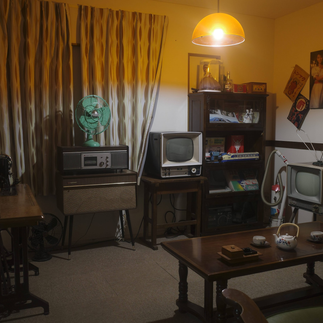
Yufuin Showakan: A recreation of Showa-era Japan—nostalgic and surprisingly fun.




Floral Village: Styled like a British storybook town. Yes, it’s commercial and full of Ghibli merchandise, but the yellow cottages are undeniably charming.

3. Street Food and Lake Kinrin

Temptations were everywhere: award-winning croquettes, B-speak roll cake. Even though I was still full from breakfast, the smells were impossible to resist.
I ended at Lake Kinrin, watching the reflections on the water for a while. It’s a simple moment, but incredibly calming.
Conclusion: Fully Recharged, Back to Fukuoka
Two days and one night passed quickly. From the adrenaline of Hita, to private onsen luxury and wagyu in Yufuin, this short escape completely reset me.
If you’re on a working holiday in Japan—or just burned out from work—I genuinely recommend planning a trip like this. Don’t only save money. Sometimes, spending money on high-quality rest gives you the energy to keep going.