Mt. Daisen Autumn Leaves: Driving, Buses, Hiking and Hotels
- cody
- 4 days ago
- 5 min read
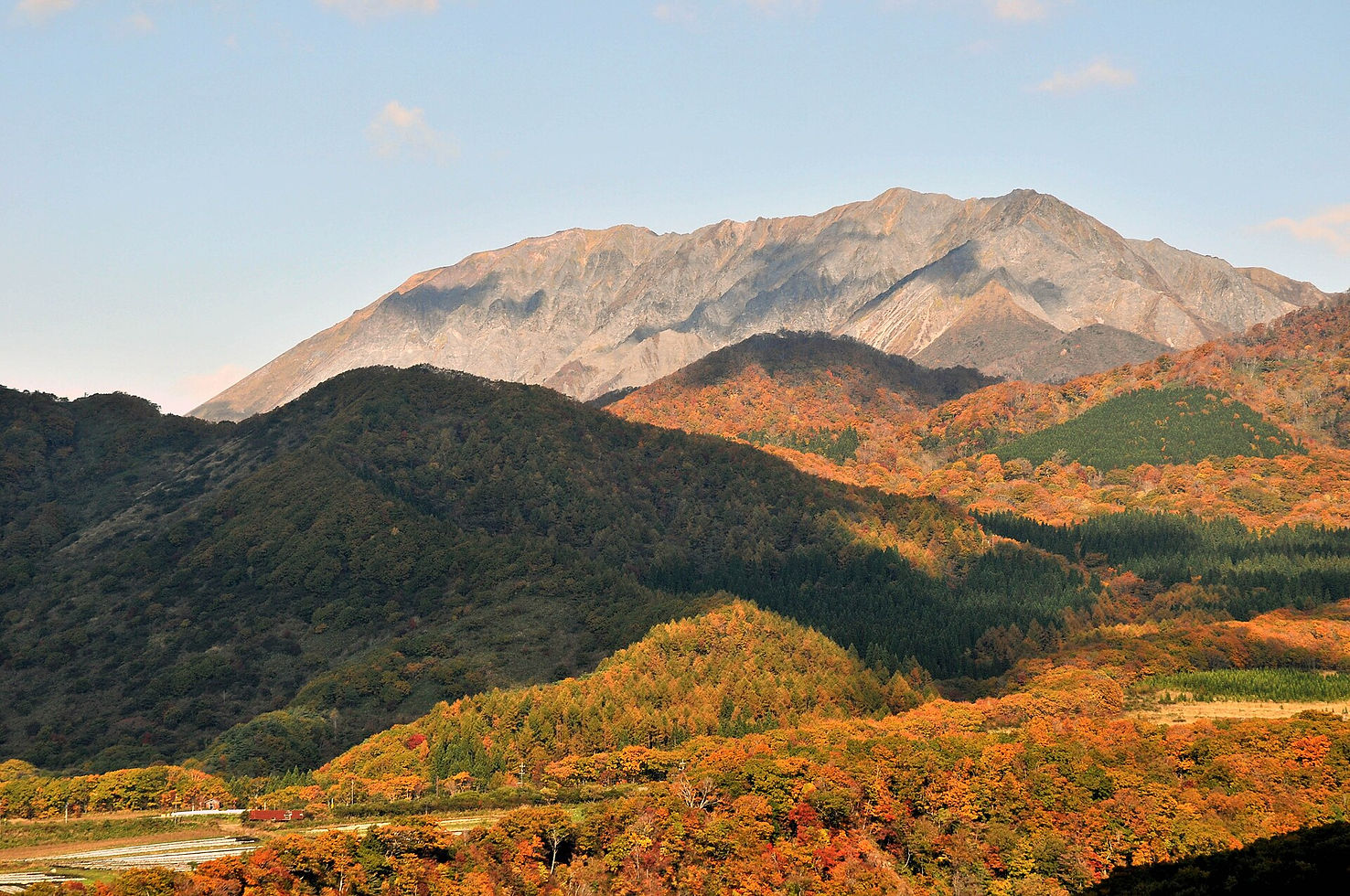
Mt. Daisen autumn leaves do not peak at one viewpoint or on one fixed date. Misen, the Natsuyama Trail, Daisenji, Ogamiyama Shrine, Bakuroza, Kagikake Pass, Masumizu Highland and the Yonago-side foothills span several hundred metres of elevation. The upper mountain can be bare or snow-dusted while Daisenji is at peak colour and the foothills remain green. For a first non-hiking visit, a daylight drive from Yonago or Kaike is the most practical way to combine Daisenji, Bakuroza, Kagikake and Masumizu; without a car, centre the trip on the Daisenji zone.
Last checked August 4, 2026. A precise official 2026 peak forecast has not been published. Tottori's official tourism guide gives late October to early November as the historical planning window for Kagikake Pass, but every elevation still requires live images, road notices and snowfall checks. Official access information places Yonago Station to Daisenji at roughly 50 minutes by bus; the limited bus reaches the temple area, not the complete scenic ring road.
Choose the elevation, not one advertised peak date
Early October normally brings the first colour to the summit and high forest, which can make a long non-hiking journey poor value for scattered change. Mid-October moves into the upper and middle beech forest while exposed summit colour may already be passing. Late October is the classic Kagikake, ring-road and Daisenji period and also the most difficult for parking and congestion. Early November can favour Daisenji, the Ogamiyama approach, Masumizu and lower slopes while the upper mountain becomes bare, foggy or snowy.
Before departure, check a Daisen live camera, Tottori road restrictions, snow and the rental company's tyre requirements. If the upper zone is finished, move the focus down to Daisenji, Bakuroza, Masumizu or the foothills rather than cancelling the mountain. If the lower slopes remain green, climb higher only when roads are safe, there is no ice and the vehicle meets the requirement. Historical photographs select a month; they do not clear a road.
A realistic non-hiking drive from Yonago or Kaike
Leave Yonago or Kaike before 7:30 a.m. during the foliage rush, fuel in the city and leave the main suitcase at the hotel. Begin at Daisenji and Bakuroza for the north face, temples, toilets and a first check of walking conditions. Continue to Kagikake only on confirmed open main roads. When the lot is full, keep moving rather than waiting on a bend, entrance or shoulder. Use Masumizu or a verified foothill facility for lunch and add only one short forest walk before returning in daylight.
A published pure-driving time does not describe an autumn weekend. Parking, turnarounds, photography, fog and congestion expand the day. Wet leaves hide road damage and reduce grip, and wildlife risk rises near dusk. Carry water, warm layers, food and a power bank and know the last fuel, toilet and legal turning point. When navigation suggests a road too narrow to pass safely, return to the prefectural route. Insurance reduces financial exposure but never makes alcohol, ice, darkness or a closure acceptable.
Without a car: buses reach Daisenji, not the entire ring
Official tourism information places the Yonago–Daisenji bus at about 50 minutes, with rural rather than urban frequency. Download the travel-date timetable, work backwards from the final return, and confirm payment and baggage. A car-free day should centre on Daisenji, Bakuroza, the Ogamiyama approach or a designated foothill path. Old references to a loop sightseeing bus or a bicycle service must not be treated as a current 2026 Kagikake connection.
Kagikake requires a licensed sightseeing taxi, charter, guided tour or clearly confirmed hotel transfer booked before the foliage rush. Travellers interested primarily in temples, colour and mountain views can have a stronger day by staying within the Daisenji zone than by spending the afternoon waiting for uncertain transport. Keep the main suitcase in Yonago or forward it.
Hiking, shrine walking and sightseeing are three different difficulties
The Natsuyama route to Misen is a formal mountain hike, not an extension of a viewpoint. It requires a full half day or more, a registered or shared plan, hiking boots, waterproof and windproof layers, insulation, water, food, a headlamp and offline navigation. Summit facilities, mobile signal and rescue are not guarantees, and Kengamine is not a casual continuation. Snow, ice, strong wind or summit fog cancels the climb, regardless of how far the traveller has already driven.
The Ogamiyama inner shrine is reached by an approximately 700-metre natural-stone approach, with gradient, steps, moss and leaves making it harder than an urban temple. Older travellers can remain around Daisenji and the lower approach. Families can use Bakuroza, Masumizu and designated short paths. Sightseers should stay with the temples, Bakuroza, Kagikake and highlands rather than converting an unexpected trailhead into an unplanned climb.
Day trip or overnight
A day trip works for drivers limiting the plan to Daisenji, Bakuroza, Kagikake and Masumizu, provided the weather is stable, roads are open and the start is early. An overnight is stronger for photographers, older travellers, families and anyone needing a weather exchange. Day 1 can use Daisenji, Bakuroza and the lower slopes before a Daisenji or Kaike stay; Day 2 chooses Kagikake or Masumizu from cloud and road conditions and returns to Yonago in the afternoon.
An older-traveller version sleeps early in Kaike and uses only Bakuroza, the lower Daisenji area and Masumizu the next day, removing the shrine depth and hike. A public-transport version stores luggage in Yonago and takes the bus to Daisenji, returning or staying locally; another viewpoint is added only with pre-booked transport. A weather-swap version saves Kagikake or the hike for the clear day and uses temples, onsen, the Daisen museum, Shoji Ueda Museum, Yonago or Sakaiminato in fog or rain.
Where to stay: Yonago, Kaike or Daisenji
Yonago Station is the strongest base for car-free travel, JR, airport buses, rental cars, restaurants and large luggage. Kaike Onsen suits drivers wanting a bath and half board, but a late mountain return can conflict with dinner and alcohol ends the driving day. Daisenji-area accommodation supports dawn and hiking but has limited evening dining, so meals, shuttles and final arrival must be secured. Foothill resorts suit driving families and a two-day version, while public transport must be confirmed property by property.
For one non-hiking night, Yonago or Kaike is normally more robust than a mountain property. Daisenji becomes worthwhile for a two-day photography plan or a formal climb. Compare refundable terms, actual bed count, dinner, baths, shuttle, parking and breakfast time rather than promising a live price or room. Store the main suitcase in Yonago or Kaike and carry an overnight bag, medication and warm layers uphill.
Road closure, full parking, first snow and finished leaves
A ring-road closure means remaining on the confirmed open side and ignoring navigation shortcuts. A full Kagikake lot means moving to Bakuroza, Masumizu or another legal parking point. Summit fog, strong wind, snow or ice cancels climbing, and no compliant winter tyres or winter-driving skill means no mountain drive. A missed or non-operating bus means staying in Daisenji and using arranged transport or accommodation, not walking a mountain road.
When leaves are finished, use temples, mountain faces, grassland, museums and coastal cities. When lower slopes are green, move higher only with safe roads. Heavy rain removes remote roads, waterfalls and hiking. Sold-out mountain rooms become a Yonago base. A companion uncomfortable with mountain roads should split activities or use the low-area plan. A successful Daisen day protects daylight, roads and energy rather than collecting every viewpoint.