
Mt Fuji Day Trip or Overnight: When an Extra Night Is Worth It
- Iris

- 22 hours ago
- 7 min read
A Mt Fuji day trip or overnight stay should not be decided on the assumption that an extra night guarantees a clear mountain. The real trade-off is whether one hotel night is worth less same-day transport pressure, an evening and an early-morning viewing window, and time for onsen, dinner or a more flexible itinerary. A focused Tokyo day trip is usually enough for travelers with one day, a tighter budget or only two or three priorities. An overnight stay becomes more valuable for photographers, couples, families, seniors and anyone who treats the hotel experience as part of the trip.
This page covers stay length and the practical need for accommodation, not a complete transport or hotel ranking. Transport, product and service details were last checked on July 30, 2026; schedules, inventory, attractions and cancellation terms can change.
Mt Fuji day trip or overnight: the 30-second answer
Only one day, saving money, comfortable with an early start and late return: take a focused Tokyo day trip.
Mt Fuji scenery is the main purpose: stay one night in Kawaguchiko to add evening and early-morning weather windows.
You still want onsen, dinner and indoor value if Fuji is hidden: stay one night in Hakone.
Traveling with children, seniors or large luggage: an overnight pace is often easier, but choose a station-based hotel or verified shuttle.
Photography: an extra night increases opportunity, not certainty; even a Fuji-view room can be affected by cloud, fog, trees or the booked room category.

Day trip vs overnight: quick comparison
Decision factor | Tokyo day trip | One night |
|---|---|---|
Time, transport and Fuji chance | Kawaguchiko direct fastest about 1h53; Hakone-Yumoto about 75 min, then return the same evening; usually one daytime weather window | Move the Tokyo return to the next day; add evening and early morning, but never guarantee Mt Fuji |
Budget, luggage and peak booking | No hotel cost; luggage can stay in Tokyo; reserve trains, buses or tours in peak periods | Adds room, meals, storage or forwarding, local transfer and hotel-change costs; Fuji-view rooms, half-board and shuttles can sell out |
Families, seniors, couples and photographers | A bus reduces transfers, but the day is long and fixed; efficient for quick sightseeing | Slower pace and more early/late light; verify stroller, wheelchair, slopes, shuttle and child-seat details |
Onsen, rain and evening | Lower visual payoff in bad weather; much of the evening is spent returning | Hakone has stronger museums and onsen; Kawaguchiko is quieter and centered on the lakeside, hotel and dinner |
Who should take a Tokyo day trip
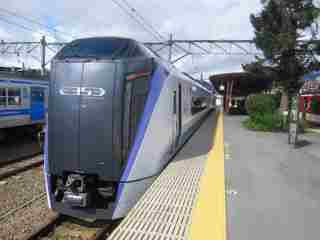
A day trip works best when the goal is simple: two or three stops such as Oishi Park, the Mt Fuji Panoramic Ropeway or Oshino Hakkai; an early departure is acceptable; a ryokan dinner is not important; the following day is fixed in Tokyo; or changing hotels would add more friction than value. The Fuji Excursion provides a direct Shinjuku–Kawaguchiko option, with the current 2026 timetable showing a fastest journey of about 1 hour 53 minutes and an early departure around 07:30. The Romancecar can reach Hakone-Yumoto in about 75 minutes, but a Hakone loop still requires mountain rail, cable car, ropeway, boat or bus time. Do not plan a fixed Tokyo evening around the last workable return.
Guided tour, independent trip or private car
A guided tour suits visitors who do not want to manage transfers, but its meeting point, route and stop duration are fixed. Independent travel offers the most weather flexibility but leaves reserved seats, buses and the return risk to you. A private car suits families, seniors, several bags or travelers minimizing walking, but costs more and remains subject to traffic, weather, parking and service-hour limits. A verified Kawaguchiko example runs about 08:00–18:00 with bus transport, Oishi Park, Oshino Hakkai and a ropeway or substitute arrangement. A Hakone example runs about 08:00–18:00 with the lake area, shrine, Owakudani and ropeway-related stops. A private example runs about 08:30–18:30 with hotel pickup in Tokyo's 23 wards. These products do not share identical stops, accessibility rules, baggage policy or cancellation terms.
Who should stay one night in Kawaguchiko
Kawaguchiko's main overnight value is turning one daytime weather window into an arrival afternoon or evening plus the next morning. Early hours often have a better tendency for steadier visibility, but this is not a promise. Cloud and mist are common in the rainy season; winter air can be clearer, while snow, ice and transport disruption add risk. Stay if Mt Fuji is the trip's visual priority, you want early or late light, you want to divide the north shore, Oishi Park, ropeway or Fujiyoshida into two half-days, or your family does not want four to five hours of long-distance travel in one day. Evenings are quiet and mainly about the lakeside, onsen, hotel dinner and rest.

Who should stay one night in Hakone
Hakone's overnight value is usually not the maximum number of Fuji views. It is the ability to have a complete trip even when the mountain is hidden. Onsen, a ryokan dinner, Lake Ashi, museums and the mountain transport system are part of the destination. Hakone-Yumoto suits late arrivals, early departures and larger luggage; Gora suits a next morning toward the cable car and Owakudani; Lake Ashi suits travelers willing to complete more transfers before check-in for a lakeside evening. Half-board ryokan commonly set final check-in and dinner times, and a late arrival can mean losing the meal.

Is Kawaguchiko or Hakone better for the overnight stay
From a stay-length perspective, choose Kawaguchiko to add Mt Fuji viewing windows and Hakone to add onsen, dinner and stronger bad-weather value. For the full destination decision, read Hakone vs Kawaguchiko: Where Should You Stay?.
What an extra night adds—and what it costs
An overnight stay removes one long-distance leg from the same day and adds evening, morning, lakeside, onsen, dinner and weather flexibility. The added cost is more than the room: meals, baggage storage or forwarding, the final transfer to the hotel, a possible duplicate Tokyo room and next-day checkout time. Kawaguchiko Station luggage storage is currently generally available around 09:20–17:00 at ¥1,200 for a standard item. Hakone's official luggage service currently accepts bags at Hakone-Yumoto Station from 08:30 to 12:00 for delivery after 15:00 to participating accommodation; a regular item is ¥1,500 one way and a large item ¥2,500, with size, weight, weather and hotel restrictions.
Is an overnight stay worth it if Mt Fuji is hidden
It depends on whether you are buying a Fuji opportunity or a complete accommodation experience. Kawaguchiko still offers the lake, museums, cafes, onsen and nearby Fujiyoshida when cloud blocks the mountain, but satisfaction can fall sharply if the classic view is your only goal. Hakone usually has stronger museum, onsen, dinner and ryokan alternatives, although wind, lightning, snow or maintenance can close ropeways, boats or buses. Before booking, ask whether the property, meal and onsen are still worth the price if Fuji never appears.
Children, seniors and large luggage
Verify strollers and wheelchairs across the vehicle, stairs, slopes, attraction route, hotel entrance and room. A free infant may not receive a seat, and a child seat cannot be assumed. A bus tour reduces transfers for seniors but a ten-hour day can still be tiring. For large luggage, leave it at the Tokyo hotel, use station storage or Hakone forwarding, or select confirmed hotel transport.
When you should not stay overnight
Do not add the night when you have a fixed early-morning commitment in Tokyo; only want one or two sights and do not value onsen, dinner or early/late photography; would pay a non-refundable premium only for a possible Fuji view; would arrive after the ryokan dinner or last shuttle; or would keep the Tokyo room as well without a luggage or routing benefit.
Choosing the one-night base
Kawaguchiko Station and the south shore are easiest for first-time car-free visitors and early departures; the north shore is stronger when the lake view, dinner and onsen are the purpose, but shuttle and last-bus details matter. Fujiyoshida suits Fuji-Q, Shimoyoshida and Honcho Street; see Kawaguchiko or Fujiyoshida: Where to Stay for Two Nights. In Hakone, choose Yumoto, Gora or Lake Ashi by arrival time, luggage and next-day loop direction; see Where to Stay in Hakone: Yumoto, Gora or Lake Ashi.
Final decision flow
If the mountain is hidden, is the trip still worthwhile? If not, favor a cancellable day trip.
Can you leave Tokyo around 07:00 and return in the evening? If yes, a focused day trip is often enough.
For extra early and late viewing windows, stay in Kawaguchiko; for onsen, dinner and bad-weather resilience, stay in Hakone.
With children, seniors or large bags, select the lowest-friction base before selecting the best view.
Compare room type, meal, cancellation and shuttle last—do not let one clear-sky photo make the decision.
Accommodation and eSIM
The accommodation buttons use ValueNavi's Stay22 AID `valuenavi`. Recheck the room, meal, cancellation and shuttle before payment.
Related reading and pending internal links
Available pages: Hakone vs Kawaguchiko; Kawaguchiko vs Fujiyoshida; where to stay in Hakone. PENDING_INTERNAL_LINK: Tokyo-origin Mt Fuji meta pillar; Tokyo to Kawaguchiko; Fuji Excursion booking; Tokyo to Hakone; Tokyo–Kawaguchiko–Hakone three-day itinerary; Mt Fuji-view hotels in Kawaguchiko; Hakone onsen ryokan. These pages were not located in the Wix search, so no URL has been invented.
Frequently Asked Questions
Is a Tokyo Mt Fuji day trip enough?
Yes, when you choose only two or three priorities and accept an early start and evening return. An overnight stay is more sensible for a full Hakone loop, weather flexibility, onsen or ryokan dinner.
Does staying in Kawaguchiko make it more likely to see Mt Fuji?
It adds evening and early-morning viewing periods, so it increases opportunity. Cloud, fog, rain or snow can still hide the mountain throughout the stay.
Is Kawaguchiko or Hakone more worthwhile overnight?
Choose Kawaguchiko for Mt Fuji scenery and Hakone for onsen, half-board dining and stronger bad-weather alternatives.
Can I arrive late for a Hakone half-board ryokan?
Do not assume so. Many properties set a final check-in or dinner time, and late arrival can mean the meal cannot be served.


Comments