Nikko vs Okunikko for Autumn Leaves: Toshogu, Lake Chuzenji and Where to Stay
- cody
- 2 days ago
- 4 min read
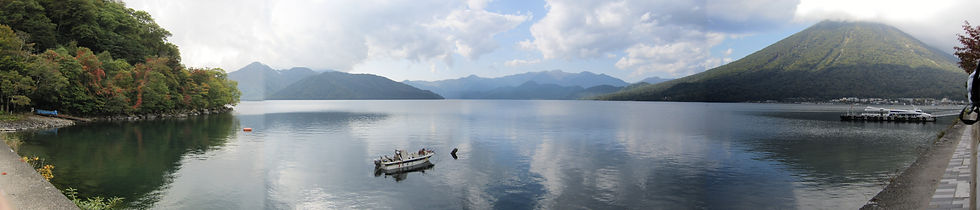
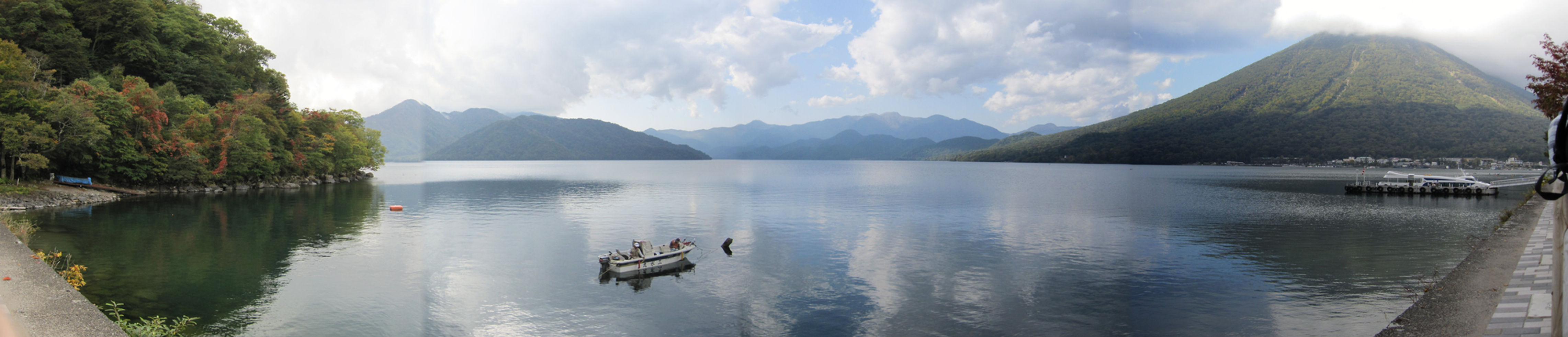
The first time I tried to combine central Nikko and Okunikko in one autumn day, the map made it look easy. The bus queue and Irohazaka traffic told a different story. These are two separate trips: central Nikko concentrates Toshogu, Rinnoji, Futarasan, Shinkyo and cedar approaches close to the rail stations, while Okunikko spreads Lake Chuzenji, Kegon Falls, Ryuzu Falls, Senjogahara, Yumoto and Lake Yunoko along a mountain bus corridor. For most first-time visitors, choosing one primary zone creates a much better day than rushing through both.
Last checked August 4, 2026. Nikko's official tourism guidance places the historical Okunikko foliage season roughly from late September through late October and central Nikko from late October through mid-November. These are planning ranges, not a confirmed 2026 peak. Akechidaira Ropeway is officially suspended from January 16, 2026 through August 31, 2027 and the closure may be extended, so the observation deck is removed from every 2026 itinerary below.
Choose by date and by the experience you actually want
In early and mid-October, Okunikko is usually the stronger candidate when the purpose is early foliage, marsh grass, waterfalls and lake scenery. Yumoto and Yunoko tend to change first, followed by Senjogahara, Ryuzu and Lake Chuzenji, but cold, wind or early snow can also accelerate leaf fall and restrict access. Late October is the most ambiguous period: Chuzenji, Kegon and Irohazaka may still be strong while central Nikko begins to colour, so the decision should be based on dated official photographs and the current bus and road situation.
From early November, central Nikko is usually the safer first choice. Shinkyo, Shoyoen, shrine approaches and lower gardens become more likely, while the World Heritage complex remains worthwhile even without peak leaves. Okunikko may already be in leaf fall, frost or early-winter conditions. Keep the mountain only when the newest reports show usable colour and the road, bus and walking surfaces remain suitable.
Central Nikko day trip: the reliable first visit
For a Tokyo day trip with the highest operational reliability, use central Nikko. Arrive at Tobu-Nikko or JR Nikko early, store the main luggage and take the bus to Shinkyo or the World Heritage area. Make Toshogu the morning anchor, add Rinnoji or Futarasan only when the queue and walking pace allow it, then use Shoyoen, Tamozawa, Shinkyo or the station area in the afternoon. The route can be shortened without losing the whole day when a shrine queue, rain or fatigue appears.
Central Nikko is not step-free. Stone stairs, gravel, slopes and dense visitor flows remain. Older travellers and families should choose one major shrine rather than attempting every precinct, schedule lunch and a clear exit point, and keep the return to the station simple. In rain, shorten the cedar approaches and retain temple architecture, museums, cafes and onsen instead of forcing an exposed mountain day.
Okunikko day trip: limit the plan to one mountain section
A Tokyo day trip to Okunikko should not include Yumoto, Senjogahara, Lake Chuzenji, Kegon, Ryuzu and Toshogu. The most robust version goes directly from the stations to Chuzenji Onsen, visits Kegon Falls, then uses a short lakeside section before joining the return-bus queue early. Under ordinary conditions the station-to-Chuzenji ride is roughly 45–50 minutes, but foliage traffic on Irohazaka can add a major delay. Do not schedule a flight, fixed dinner or non-changeable train immediately after the excursion.
If Senjogahara is the priority, pair Ryuzu with one boardwalk section or stay overnight. A basic nature route can take about two hours before waiting, photographs, toilets and food. Older travellers can use a short lakeside walk and Kegon's ground-level viewpoint rather than the complete marsh trail. Fog, strong wind or early snow removes much of Okunikko's landscape value and can make the boardwalk unsuitable; switch to central Nikko instead of treating bad conditions as a challenge.
Why an overnight adds more value in Okunikko
An overnight usually adds more usable time in Okunikko than in town. Day one can cover Kegon, Lake Chuzenji and an afternoon shoreline; day two can begin with Ryuzu, Senjogahara or Yumoto before the Tokyo day-trip flow arrives. Staying at Lake Chuzenji balances access to the lake, Kegon and buses. Yumoto is stronger for earlier colour, onsen, Yunoko and Senjogahara, but the bus ride is longer and half-board dinner or final check-in must be confirmed in English before travel.
For central Nikko, hotels around Tobu-Nikko or JR Nikko simplify luggage, the first mountain bus and onward rail. Shinkyo-area accommodation improves early shrine access but may be less convenient with large cases or late dining. Kinugawa offers more large ryokan and family facilities, but it is not beside Okunikko; reaching Lake Chuzenji still requires returning to the Nikko transport corridor.
Passes, buses and luggage
A Tokyo-to-Nikko rail ticket does not solve the whole trip. Tobu's Nikko passes can cover selected rail and local-bus sectors, but travellers must check the exact validity, area and whether limited-express supplements are separate. A national JR Pass does not cover Tobu Railway and does not automatically include every mountain bus. A pass also does not remove peak queues. Select a personal return cut-off earlier than the last published bus.
Do not take a large suitcase onto the Okunikko bus. Leave it at the Tokyo hotel for a day trip, store it around Nikko Station or forward it between city hotels. For a lake overnight, carry a small bag with medication, warm layers, rain protection and one change of clothes. Download Japanese bus-stop names, the operator timetable, hotel phone and final return because mountain reception is not guaranteed.
Plan B for congestion, mist, snow and timing errors
If Okunikko has passed peak while town is still green, do not repeatedly climb and descend on the same day. Keep the cultural and lake value, then change the next day after checking dated reports. When Irohazaka or the bus queue is severe, remove the second mountain stop; if you have not begun the climb by late morning, switch to central Nikko. Delete Akechidaira entirely in 2026. In strong wind, heavy rain, dense fog or early snow, cancel cruises, long boardwalks and remote falls and use shrines, museums or onsen.