Eikando Nanzenji Philosopher’s Path Autumn Route: Day, Night and Access
- cody
- 4 days ago
- 5 min read
The most reliable Eikando–Nanzenji–Philosopher’s Path autumn route starts at Keage Station. Use Nanzenji’s open grounds before paid sites become busy, make Eikando the first non-negotiable admission, then walk only the section of Philosopher’s Path that still fits the group’s energy, weather and closing times. Add Ginkakuji only when it is a genuine priority and the start is early; treat any Eikando evening admission as a separate booking and travel block.
Last checked August 4, 2026. Eikando’s regular reception is 09:00–16:00 with the gate closing at 17:00, and the current adult admission is ¥1,000. Tripods and monopods are prohibited in the grounds, cultural properties inside buildings may not be photographed, and selfie sticks are restricted indoors and should not be used in crowds. Dated 2026 night-viewing details were not fully published at the check date. Nanzen-in remains closed for roof work, while the main Nanzenji grounds, Sanmon and Hojo areas continue under their current official schedules.
Choose a half-day, full-day or separate evening product
A half-day route is Nanzenji’s exterior plus Eikando in daylight. It works for older travellers, children, rain and anyone who wants one strong paid garden rather than a long checklist. Allow four to five hours after including transport, tickets, shoe removal and a proper pause. The balanced full day adds the southern half of Philosopher’s Path and possibly Honen-in. A complete path to Ginkakuji normally becomes a seven- to nine-hour day once lunch, queues and admission deadlines are included.
Do not stand in northern Higashiyama from morning until a night illumination. A better evening structure is Nanzenji and a short path section in the morning, lunch outside the densest zone, two hours at the hotel for rest and warm layers, then a return under the official 2026 entry rules. Day admission must not be assumed to include the evening, and a night ticket must not be assumed to open every daytime building. If the event is unannounced, sold out or excessively queued, the daylight route is already a complete itinerary.
08:00 at Keage: use free exterior time first
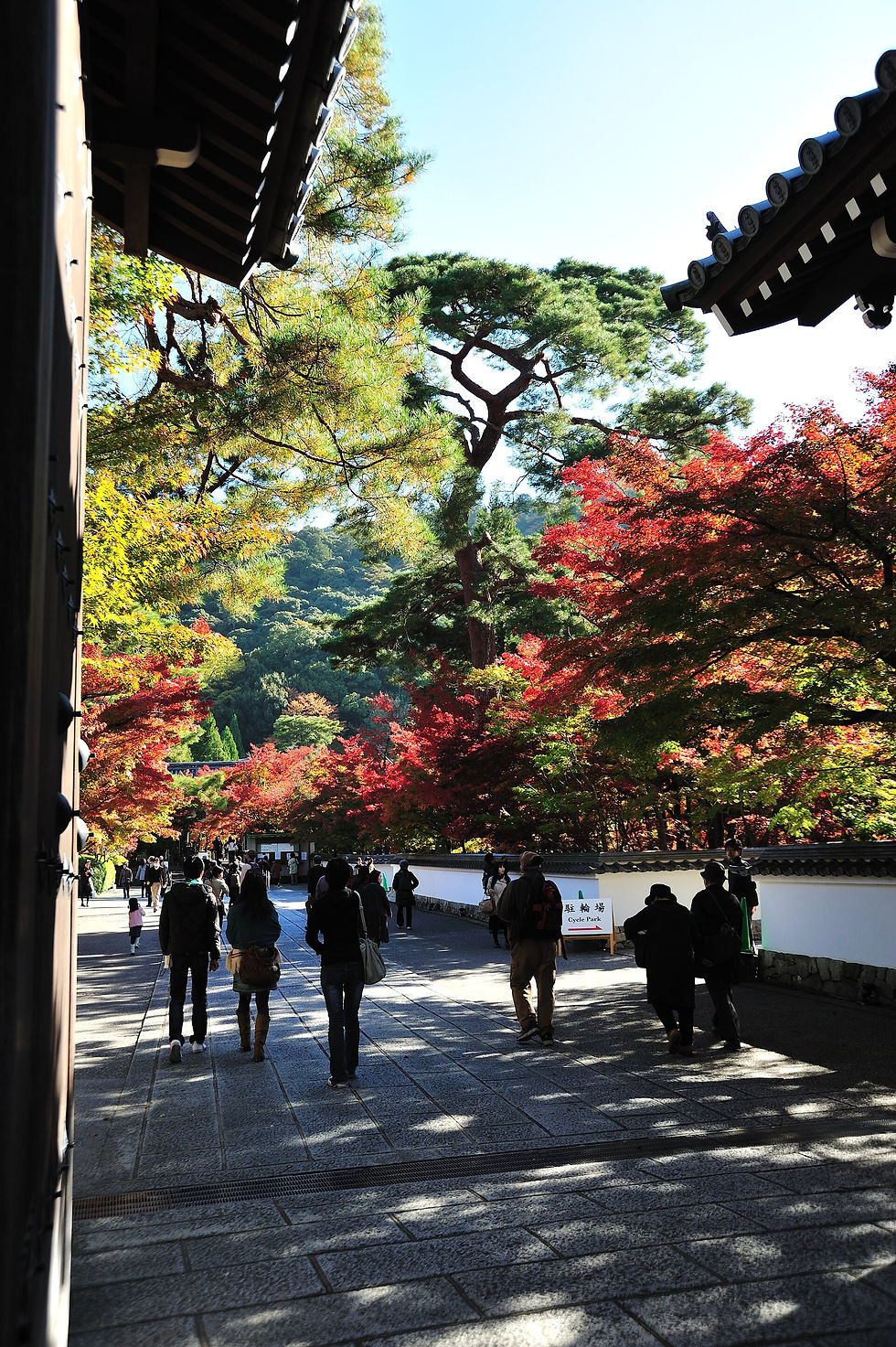
The Tozai subway to Keage is more dependable than a bus-only approach during peak road congestion. Arriving around 08:00–08:30 lets travellers use the Incline area, Nanzenji’s main precinct, the aqueduct and exterior architecture before Eikando opens. This is useful photography time rather than waiting time. Wet stone and the aqueduct arches become slippery after rain, so avoid stepping backwards for photographs or blocking the narrow framed views.
Nanzenji is not one all-inclusive ticket. The main precinct and aqueduct are generally open-access, while Sanmon, the Hojo garden and sub-temples have separate admissions and schedules. When Eikando follows, choose at most one paid Nanzenji area. Sanmon adds height and steep stairs; Hojo offers garden and interior context. Nanzen-in should be removed from a 2026 plan because of the continuing roof project, not kept as a speculative stop.
09:30–12:00 at Eikando: solve the largest queue variable early
The walk from Nanzenji is short, but autumn ticketing, one-way circulation and indoor shoe-removal sections make the visit longer than the map suggests. Place Eikando second rather than leaving it for late afternoon. Allow 90–120 minutes on a normal autumn weekday and more on weekends or for photography. Large suitcases belong at the hotel or station; even a bulky daypack slows the interior flow and makes narrow spaces uncomfortable.
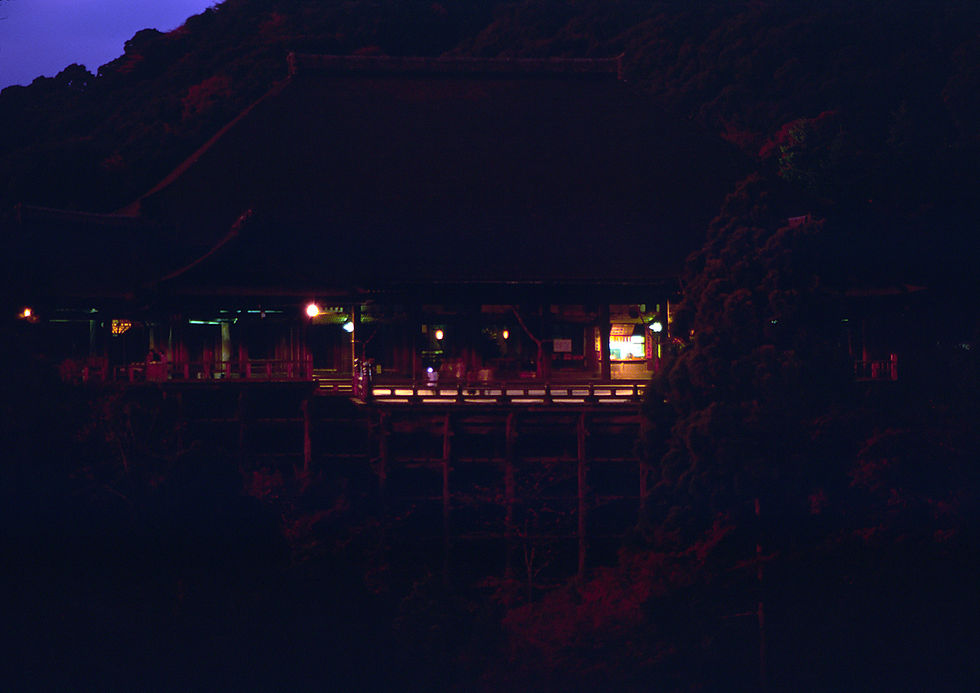
Daylight provides the stronger all-round visit: architecture, changing elevation, garden detail, reflections and several directions of natural light. Evening emphasises illumination and atmosphere, but the crowd compresses stopping time and equipment options. Tripods and monopods remain prohibited. Travellers who want a careful photographic record should prioritise day admission and treat the night session as a separate emotional experience, not as a superior replacement.
Lunch before the canal: protect energy, not just opening hours
After Eikando, sit down before starting the longer walk. Restaurants around northern Higashiyama can queue heavily, so eat before 11:30, after 13:30, or use Okazaki and Higashiyama Station as broader dining zones. This route feels harder than a flat two-kilometre walk because the morning already includes hard surfaces, steps, standing and shoe removal. A toilet stop and a real lunch are operational parts of the itinerary.
The southern Philosopher’s Path section from Eikando toward Honen-in is the practical default. Continue to Ginkakuji only when colour, light, energy and final admission still align. If rain increases, the group slows or Ginkakuji admission is no longer realistic, finish near Honen-in and use an Okazaki museum, café or the hotel. Completing the entire canal is not a success metric if it removes the evening return or leaves the group exhausted.
When the Ginkakuji-first direction makes sense
Reverse the route only when Ginkakuji is the highest priority, the hotel is near Demachiyanagi or Kitashirakawa, or morning garden photography matters more than reaching Eikando early. The trade-off is greater dependence on a bus or taxi in the morning and heavier Eikando crowds later. This direction should not be combined with a second night illumination unless a long afternoon rest is deliberately built in.
Transport, hotel base and international-trip friction
Use Keage subway for the start and walk back to Keage or Higashiyama after an evening event rather than waiting beside the temple for a congested bus. From the northern end of Philosopher’s Path, use the best current bus, taxi or rail connection, but keep more than one return method. IC cards are useful for city transport; a national JR Pass adds no meaningful value to this local route.
Keage, Okazaki and Higashiyama are the strongest bases for an early start or separate night entry. The Westin Miyako Kyoto, Hotel Okura Kyoto Okazaki Bettei and Kyoto Travellers Inn illustrate different price and location choices. Sanjo or Karasuma Oike, represented by Cross Hotel Kyoto or Hotel Resol Trinity Kyoto, gives broader dining and subway flexibility. Check the exact property, lift access, room size, breakfast start, luggage storage, local cancellation time and the walk home after a night event; these examples are not live availability or rate claims.
Rain, green leaves, leaf fall and excessive queues
Light rain can improve colour at Eikando and the aqueduct, but remove Sanmon stairs, the full canal and a long night queue when surfaces become unsafe. If central Kyoto remains green, compare current reports for Takao, Ohara, Kibune or Mount Hiei on another day rather than crossing the city impulsively. After strong wind or leaf fall, shift the subject to architecture, moss, water, stone and ground colour. If Eikando’s queue exceeds the group’s limit, complete Nanzenji and a short path first, then decide whether a later return still protects transport and rest.