How Many Nights in Lake Kawaguchi? Fuji Weather, Autumn Leaves and Hotels
- cody
- 4 days ago
- 5 min read
How many nights in Lake Kawaguchi depends on the value of another dawn, another weather window, evening illumination and the hotel itself—not on the number of attractions. A Tokyo day trip can cover daylight foliage. One night is the best balance for most first visits. Two nights are justified for photography, a private onsen, slow lake travel or a full weather-exchange day, but cannot guarantee that Mount Fuji will appear.
Day trip, one night or two nights: the real decision
Choose a day trip when the Maple Corridor in daylight is enough, the Japan itinerary is short and the Tokyo return is protected. Choose one night for illumination, one evening meal, one dawn and a less fragile departure. Choose two nights when a second dawn, a genuine onsen-led hotel, a museum or Fujiyoshida programme and an exchangeable full day all retain value without Fuji. The second night is not insurance that buys clear weather; it buys flexibility and a slower product.
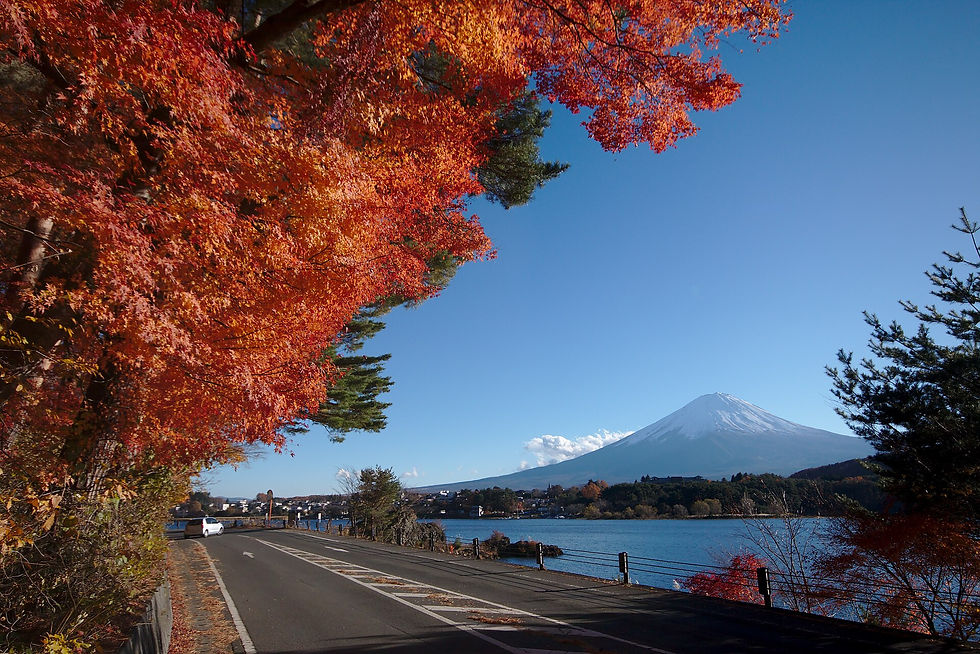
The confirmed 2026 Fujikawaguchiko Autumn Leaves Festival runs from November 7 to 29, with Maple Corridor illumination from sunset to 21:00. Festival dates do not guarantee peak colour on every day. A day trip that waits until 21:00 also needs enough time to leave the north shore, reach the station and board a protected return; the illumination closing time is not the Tokyo departure time.

When a Tokyo day trip is enough
Use an early Fuji Excursion or reserved highway coach and reserve the return at the same time. The realistic day should contain one Fuji-view activity, the north-shore foliage area and a controlled meal. A ropeway, cruise, Oishi Park and Maple Corridor cannot all remain mandatory after a late arrival, coach delay or cloud. Define that a delay of forty-five minutes removes the cruise or ropeway rather than the protected return.
A day trip works particularly well outside illumination, for travellers who already have a Fuji-region overnight elsewhere, and for people who do not value an onsen hotel. It is weak for seniors who need a long lunch, families with strollers, photographers waiting for changing cloud or anyone carrying luggage. When both outbound and return reserved transport are unavailable, another Tokyo day or a later overnight is safer than improvising a late multi-transfer journey.
Why one night is the default recommendation
On day one, arrive early, store the main suitcase and use the clearest period first. When Fuji is visible, prioritise a viewpoint before a museum or shopping stop. Reach the north shore by mid-afternoon, see the corridor in daylight and at dusk, then leave according to the ryokan dinner deadline. Half-board hotels may not hold dinner after a traffic delay, and the illumination is not worth losing a prepaid meal.
Day two begins with the hotel window or lakeshore rather than a long cross-lake transfer. Check cloud and wind before breakfast, then choose one or two activities: Oishi Park, a museum, a short cruise, ropeway or Fujiyoshida. Leave luggage with the hotel and confirm its final shuttle or a taxi. One night gives an evening, dawn and easier return while keeping the extra hotel cost under control.
When the second night earns its cost
Use day one for arrival, luggage, one light activity and hotel check-in. Day two becomes the full exchange day: use the clearest hours for Fuji and fit the corridor, a museum, onsen or lake activity around them. Day three provides another dawn or a slow hotel morning before departure. This structure works when the hotel and region remain satisfying in cloud, not when the entire value is one photograph of the mountain.
Choose only one extension—Fujiyoshida, Yamanakako or an additional museum corridor. Do not add Hakone as a day trip from a two-night Kawaguchiko stay; use one night in each region over three days if both matter. Two nights are excessive when the corridor is the only objective, weekend room rates are extreme, slow travel is unappealing or persistent heavy rain makes the outdoor programme weak.

Station, south shore, north shore, Oishi or Fujiyoshida
The station area is strongest for a late arrival, budget, buses and large luggage. It is efficient for one night but repeats transport to the north shore. The south shore is the best one-night balance for first visits, families and seniors because restaurants and transport are easier; confirm whether the exact room faces Fuji, the lake or neither. A property name or general marketing photograph does not define the booked room.
The north shore has the strongest illumination access, lake–Fuji orientation and private-onsen potential, and therefore the highest two-night value. It also has higher prices, fewer independent dinners and fixed shuttle windows. Oishi Park suits photographers and drivers and is weak after dark without a car or hotel dinner. Fujiyoshida is a sold-out or budget fallback for Chureito and Fuji-Q, not a walking base for the Maple Corridor.
Room type matters more than hotel name
A “Mount Fuji view” room confirms orientation, not visibility. A lake-view room can face away from Fuji. A private bath needs separate confirmation of natural hot-spring water, indoor or outdoor setting, stairs and the actual view. Half board is useful on the north shore but creates a strict check-in and dinner deadline. International travellers should obtain the exact room, bedding, child policy, meal, allergy handling, shuttle and cancellation time zone in writing.

Fuji Excursion, coaches, shuttles and the final mile
Reserve outbound and return rail or coach together on autumn weekends. A Fuji Excursion seat protects the direct journey but has limited frequency; a highway coach can be affected by road traffic. Ordinary rail offers recovery but involves more transfers and time. North-shore hotel shuttles often run only in fixed afternoon periods and may require advance contact. Save the hotel’s Japanese address and phone offline for a taxi or delayed arrival.
For an open-jaw journey continuing to Kyoto or Osaka, forward the main suitcase and carry twenty-four to forty-eight hours of essentials. Do not take a large case on a crowded sightseeing bus or assume the ryokan can send it after checkout without a deadline. When returning to Tokyo before an international flight, place the flight on the following day rather than relying on an autumn coach or mountain road on departure day.
Visibility and foliage are two different uncertainties
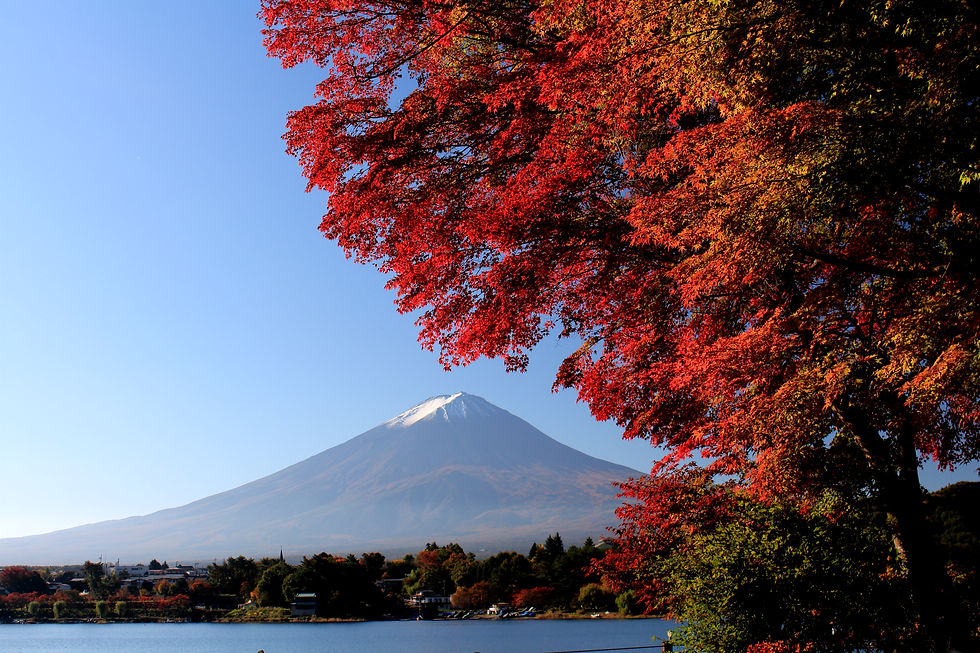
Mount Fuji can be hidden while the corridor is excellent, or visible while foliage is early or fallen. Put the Fuji viewpoint first on a clear morning and use the corridor in the most attractive remaining light. Do not cross the lake repeatedly every time the cloud changes. Two nights add more observation periods but persistent cloud can cover all of them. A useful trip therefore needs museums, onsen, lake walks, food or Fujiyoshida value independent of the mountain.
No Fuji, poor foliage, full transport and snow Plan B
No Fuji for two days: use the Maple Corridor, museums, onsen and Fujiyoshida streets. Leaves remain green or have fallen: retain lake activities and treat colour as a bonus. Reserved transport is full: use ordinary trains, another coach, a taxi for the final mile or fewer stops. First snow or ice: cancel inexperienced driving and confirm shuttle operation. A companion drops night two: use flexible rates and move the most important hotel or regional experience forward.
Official 2026 festival information
Check the official 2026 Fujikawaguchiko Autumn Leaves Festival page and current rail, coach and hotel shuttle information before payment.