Lake Kawaguchi vs Lake Yamanaka for Autumn Leaves: Views, Access and Hotels
- cody
- 4 days ago
- 5 min read
Last checked: August 3, 2026. The Lake Kawaguchi festival is confirmed for November 7–29 with lighting from sunset to 9:00 p.m. The Lake Yamanaka Sunset Shore event is scheduled from the evening of October 30 through November 15, with lighting 4:30–8:30 p.m. Event dates do not guarantee peak colour, and Mount Fuji visibility is separate.
Lake Kawaguchi vs Lake Yamanaka is a travel-style decision rather than a beauty contest. Kawaguchiko concentrates the Maple Corridor, festival, buses, hotels and restaurants in a network that is easier for first-time and car-free visitors. Yamanakako is higher, more open and usually earlier, with stronger value for driving, photography, cycling and travellers avoiding Kawaguchiko's busiest core. A same-day visit means one priority at each lake—not a complete tour of both.
Lake Kawaguchi vs Lake Yamanaka: the 30-second answer
First visit, no car, older travellers, dining and rainy-day backups: Lake Kawaguchi.
Driving, photography, cycling, wider Fuji views and dispersed crowds: Lake Yamanaka.
A Tokyo day trip should use one lake; two nights with a car can use one night at each.
Do not cross lakes after an illumination event because cold, parking and final transport become fragile together.

Lake Kawaguchi vs Lake Yamanaka core comparison
Factor | Lake Kawaguchi | Lake Yamanaka |
|---|---|---|
Elevation / usual window | About 830.5 m; historically early to mid-November | About 980.5 m; historically late October to early/mid-November |
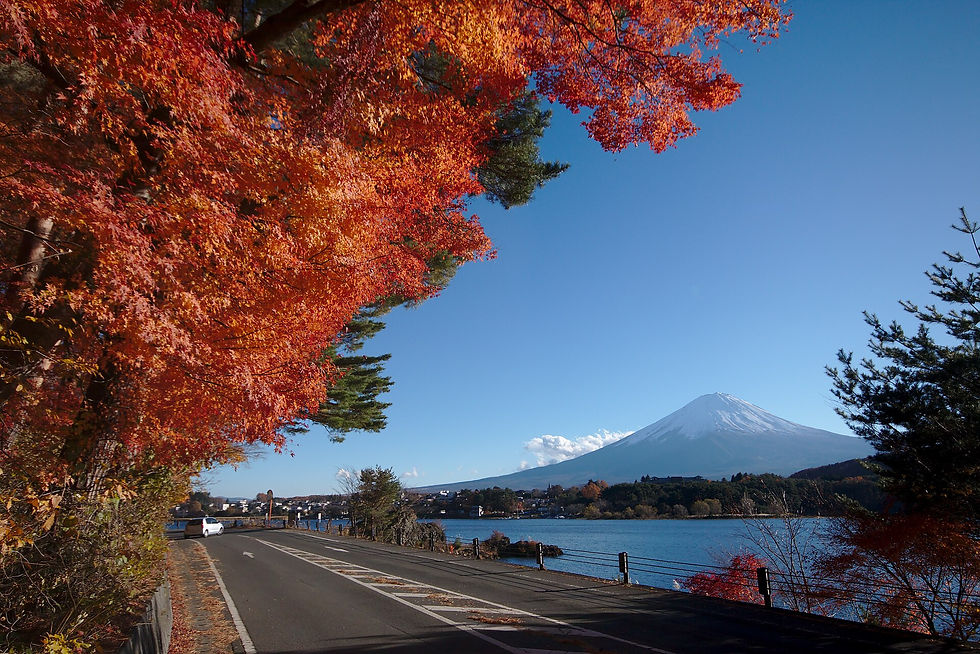
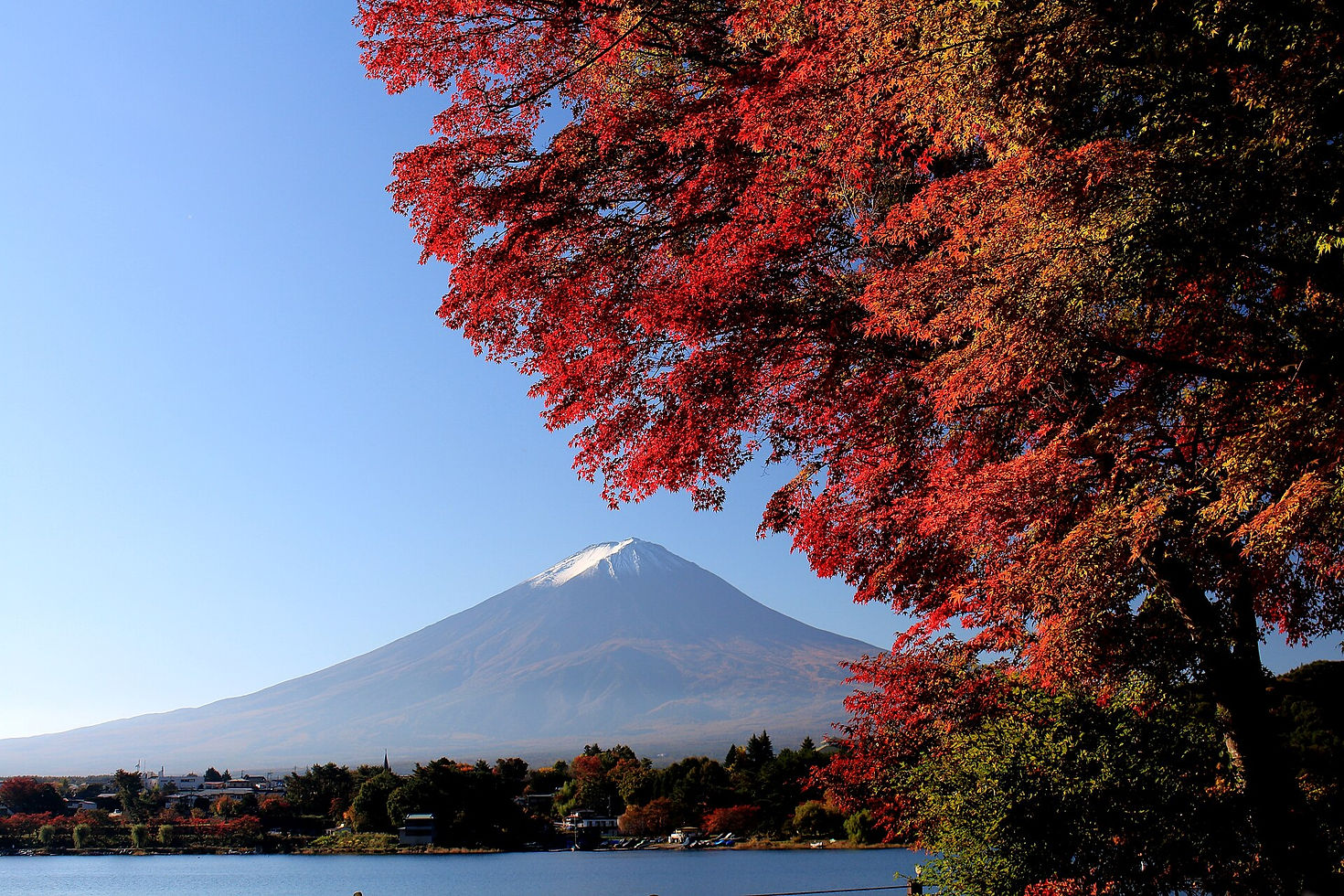
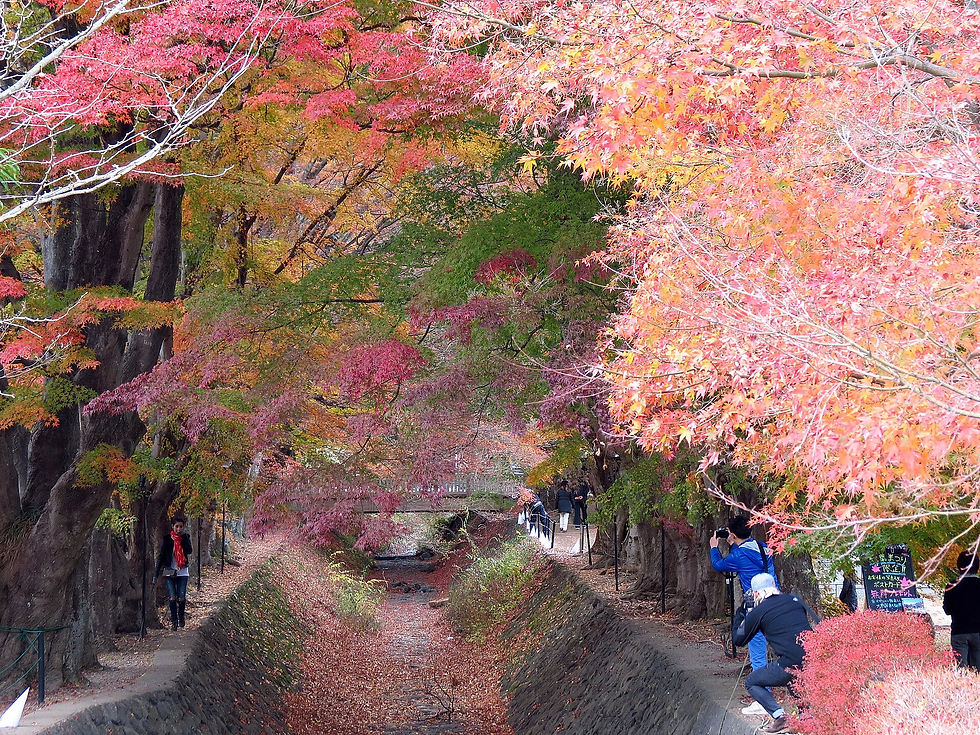
Main autumn scenery | Maple Corridor, north shore, Oishi Park | Asahigaoka corridor, Nagaike and Hirano shoreline |
Mount Fuji view | Many lake-mountain compositions; sights are concentrated | Larger-looking mountain, open water and dispersed viewpoints |
Public transport | Fuji Excursion, coaches and denser sightseeing lines | Direct coaches and Fujikko-go; stops and frequency need dated checks |
Driving / cycling | Useful, with severe north-shore festival congestion | Highest value; viewpoints and cycling are dispersed |
Hotels / evening | More choice; the north-shore return remains an evening issue | Dispersed lodging, early dining, stronger wind and colder evenings |
Lake Kawaguchi: advantages and limits
Kawaguchiko is easier to complete on a first trip. The station concentrates rail, highway coaches, sightseeing buses, storage, hotels and food. The Maple Corridor, Oishi Park, ropeway, cruise and museums can form a one- or two-day plan. If Fuji is hidden, museums, onsen, dining and festival activity preserve value.
Its limits are sold-out reserved transport, full Red Line buses, north-shore traffic, illumination dispersal and expensive lakefront rooms. The corridor and Oishi Park are not one walkable cluster. Evening travel must resolve dinner, shuttle, final bus and taxi availability.
Lake Yamanaka: advantages and limits
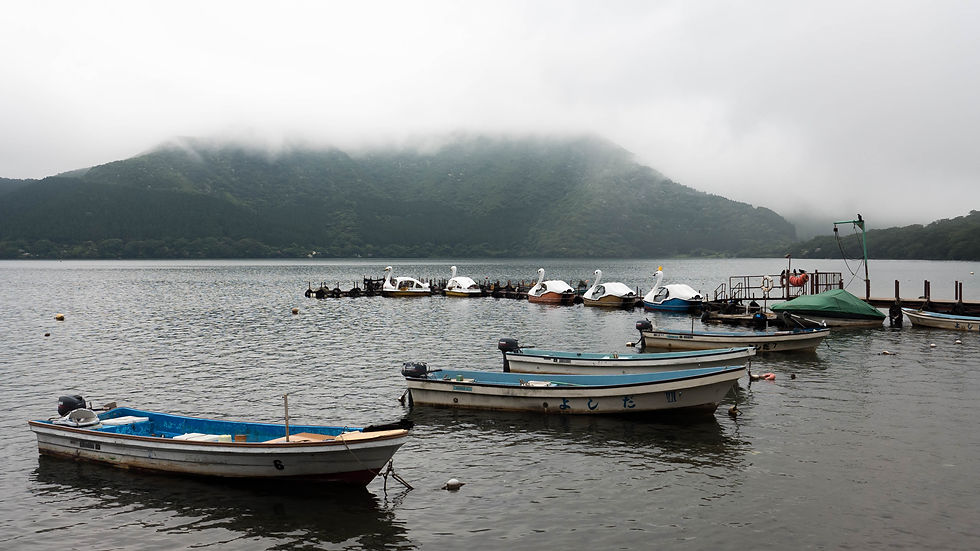
At about 980.5 metres, Yamanakako offers a more open shoreline. Nagaike, Hirano, Asahigaoka and Hananomiyako provide different Fuji angles. The official cycling route nearly circles the lake in about 1.5 hours, but foliage stops, wind, photography and rest make half or a full day more realistic. The 2026 Sunset Shore event is centred on Asahigaoka and normally begins earlier than Kawaguchiko's festival.
The trade-offs are lower bus and restaurant density, dispersed hotels, limited transport after 8:30 p.m., cold evenings and stronger lake wind. For first snow or ice, drivers need appropriate tyres and a check of Kagosaka Pass and hotel access roads; an open road is not automatically suitable for a first winter drive.

Can both lakes fit in one day?
Driving version
Yes with one priority at each lake. Use Nagaike or Hirano for a clear morning and the Maple Corridor in the afternoon, or reverse the order according to live colour. Include lake-to-lake driving, parking, traffic and sunset. Do not cross lakes after illumination.
Bus version
Fujikko-go links Kawaguchiko Station, Fujiyoshida, Oshino and Yamanakako, but waiting and dispersed sights consume half a day. Car-free travellers should choose one lake or divide them across two days.
Organised-tour version
Use a tour only when it explicitly names both lakes, exact stops and time. A product saying “Fuji Five Lakes” does not guarantee the Maple Corridor or Asahigaoka.
Accommodation and hotel shortlist
Lake | Main / backup choices | Decision use |
|---|---|---|
Kawaguchiko | Konansou, Shuhokaku Kogetsu, FUFU; backups Fuji Lake Hotel and Fuji View Hotel | Transport/luggage, north-shore illumination, private onsen or family driving; verify exact room views |
Yamanakako | Hotel Mount Fuji, Fuji Marriott, Yamanakako Shuzanso; backups the508 and Fuji Yamanakako Hotel | Panoramic hilltop, international family resort, quiet Nagaike or Asahigaoka access; not every room faces Fuji |

Six workable route models
Kawaguchiko day trip: early direct transport, Oishi Park or ropeway, Maple Corridor, reserved Tokyo return.
Yamanakako day trip: choose Nagaike or Hirano, then Asahigaoka; do not chase several shorelines by bus.
One night Kawaguchiko: one lake zone plus illumination, then dawn Fuji and one activity.
One night Yamanakako: Asahigaoka event, then Nagaike or Hirano dawn and cycling or onsen.
Two lakes in two days by car: Yamanakako on day one; Oishi Park, corridor and Kawaguchiko on day two.
Tokyo in, Gotemba out: one Yamanakako night only when the dated bus, luggage and next connection are verified.
Passes, weather and safety
For Yamanakako, compare the Fujikko-go one-day ticket at ¥1,800 and two-day ticket at ¥2,200. A car-free two-lake trip may use the two-day Mt. Fuji/Fuji Five Lakes Passport at ¥3,300 when the actual rides justify it. These do not include Tokyo highway coaches and do not guarantee seats on full buses.
Kawaguchiko overcrowded: switch to Nagaike/Hirano or Fujiyoshida.
Yamanakako bus does not fit: keep only Asahigaoka or use Kawaguchiko.
Fuji hidden: use foliage, onsen, museums or cycling instead of crossing lakes to chase cloud.
Rain or wind: cancel cycling, water activity and long shoreline exposure.
Snow or ice: cancel a first-time winter drive.
Frequently asked questions
Which lake has more concentrated foliage?
Kawaguchiko; Yamanakako's Asahigaoka and shoreline colour are more dispersed.
Which has the more open Mount Fuji view?
Yamanakako often feels more open and the mountain appears larger, but either can be cloudy.
Which for no car and which for driving?
Choose Kawaguchiko without a car and Yamanakako for driving, photography and cycling.
Can both lakes fit in one day?
One priority at each can fit by car; it is not recommended without a car or after illumination.
Which is less crowded?
Yamanakako is more dispersed overall, although Asahigaoka and Nagaike still draw crowds.
Is Lake Yamanaka worth one night?
Yes for photography, cycling, driving and a quiet highland stay; not necessarily for a first car-free trip.
Which suits older travellers and children?
Kawaguchiko for transport and dining; Yamanakako for an outdoor-focused driving family.
Which is better when Fuji is hidden?
Kawaguchiko has more museums, events and dining; Yamanakako offers a quieter hotel or onsen day.
Compare accommodation at both lakes
Choose the transport method and lake area first, then compare the exact room view, meals, shuttle, parking and cancellation terms. Availability and prices change.