
Okinawa Family Road Trip: Car Seats, Hotels, Luggage and Child-Friendly Itinerary
- Iris

- 13 hours ago
- 11 min read
An Okinawa family road trip is not an adult itinerary with fewer stops. It is a small logistics system: the car seat changes usable cabin space, the stroller changes the boot, nap time changes the best driving window, and a hotel’s bed configuration can matter more than its sea view. Once those pieces are planned together, driving becomes one of the easiest ways to travel around Okinawa with children. When they are planned separately, even a short coastal route can become exhausting.
This guide focuses only on family-specific decisions. It explains how to reserve and check a child restraint, choose a vehicle that still holds luggage, plan reset stops, compare Chatan, Onna and Nago, screen marine activities, and build different versions for a baby, a preschooler and a primary-school child. General rental-car insurance, a standard five-day route and a broad rainy-day guide remain in separate ValueNavi articles.
The 30-second family road-trip decision
Car seat: reserve by the child’s current height and weight, not age alone, and inspect the actual seat before leaving the depot. Vehicle: one restraint plus a full-size stroller can make a compact hatchback impractical; two restraints usually justify a small MPV or minivan. Daily load: one main attraction for a baby, one or two for a preschooler, and two for a school-age child. Driving: manage the longest uninterrupted segment, not the total kilometres shown by the map. Hotels: on a four- or five-night trip, move once at most unless the second base shortens two full days of driving. Activities: book only a specific product whose age, height, weight and medical restrictions have been checked. Weather: a heat alert, strong wind or typhoon warning is a reason to reduce movement, not to replace one exposed coastline with another.
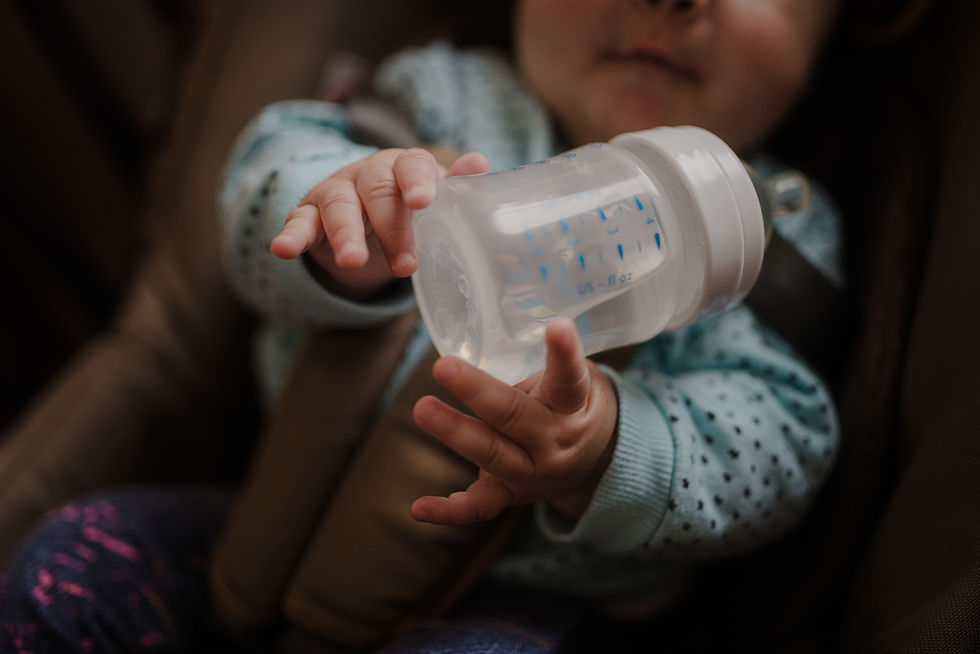
Japan’s child-restraint rule: age six is a legal threshold, not a universal graduation point
Japanese traffic law requires a child restraint for a child under six. The National Police Agency also advises continued use when an older child is too small for the vehicle belt to cross the shoulder and pelvis correctly. That distinction matters for visiting families: a six-year-old may be outside the statutory age requirement but still need a booster for safe belt fit.
Driving documents depend on where your licence was issued
Do not copy another traveller’s document checklist. Depending on the issuing country or jurisdiction, Japan may accept an eligible Geneva Convention international driving permit with the original licence, or an original licence accompanied by an authorised Japanese translation. Some licences do not qualify under either route. JAF’s official guidance also notes that a passport may be needed to verify the date of entry. Confirm the exact category for every driver before booking a non-refundable car, and carry the originals rather than relying on phone images.
Infant seat, child seat or booster: ask for the actual limits
Age labels are only a starting point. Tell the rental company the child’s height, weight, ability to sit upright and whether a rear-facing or forward-facing restraint is required. OTS currently lists one rear-facing baby-seat category for newborns to about one year, up to 10 kilograms and 75 centimetres; a forward-facing child-seat category from about six months to four years, up to 18 kilograms and 100 centimetres; and a junior booster category for about four to six years, up to 32 kilograms and 135 centimetres. These are the published limits of that company’s current categories, not a universal Japanese standard. The label on the supplied model remains decisive.
A reserved seat is not necessarily a correctly installed seat
OTS requires advance booking and states that the renter is responsible for the final safety check. At pickup, confirm the model, stated limits, rear- or forward-facing orientation, belt or ISOFIX method, shoulder-harness height, buckle routing and movement at the belt path. Japan’s transport ministry recommends the rear seat where possible and warns against putting a rear-facing restraint in front of an active airbag. After the car has been parked in the sun, test the buckle and exposed metal before placing the child in the seat. If staff only place the restraint in the vehicle, ask for a demonstration and compare it with the manufacturer instructions.
Choose the vehicle around restraints, stroller and cases—not the advertised passenger count
A five-seat car does not necessarily carry five people’s holiday luggage after a restraint is installed. Two adults, one child, one compact stroller and two medium cases may fit a small hatchback. Replace the stroller with a full-size model and add a third or fourth case, and a compact wagon or small MPV becomes safer and easier to load. Two restraints, a double stroller, grandparents or repeated rain-day loading usually justify a sliding-door minivan. Ask about a representative model rather than only the class name, and test the luggage before leaving the depot.

A practical packing system: keep one day of nappies, food, spare clothes and medication in a soft “next stop” bag; store the remaining supplies together; use a stroller that folds with one hand; and favour a hotel with a washer, dryer or self-service laundry. Several rigid cases can fail to fit even when their combined volume looks acceptable on paper.
Plan the longest uninterrupted drive, not the day’s total distance
A family can tolerate two hours of driving spread across four calm segments more easily than one hour when a child is hungry, overtired or urgently needs a toilet. Build the route around the longest segment and place a reliable stop before the child’s usual limit. As a planning ceiling rather than a medical rule, use roughly 45 to 60 minutes for a baby, 60 to 75 minutes for a preschooler and 75 to 90 minutes for a primary-school child, then shorten this for the child’s normal tolerance, motion sickness or heat. A stable motorway segment can overlap with a nap, but do not drive extra loops to preserve sleep and never leave a sleeping child alone in the vehicle.
Save reset stops before the trip
On northbound days, official tourism listings identify nursing and nappy-changing facilities at Roadside Station Kyoda and at Ige Service Area on the Okinawa Expressway. Onna no Eki can work as a short food and toilet stop, subject to opening hours. Okinawa Churaumi Aquarium provides a limited number of free strollers, nursing rooms, hot water and changing tables, while noting that some baby-food services are limited. Save these locations offline before departure; a known stop is more valuable than searching for a convenience store after a child becomes distressed.
Strollers, nappies and loading in rain
Keep a fixed wet-weather exit bag in the cabin: light rainwear, absorbent towels, nappies, a spare top, shoe bags and rubbish bags. One adult should secure the child on the safe side of the vehicle while the other retrieves the stroller; avoid opening both sides into traffic. Sliding doors are particularly useful in narrow Japanese parking spaces. For attractions and hotels, look beyond the words “family friendly” and check the covered drop-off, lift route, distance from parking, shower or bath layout and whether wet clothing can be washed that evening.
Chatan, Onna or Nago: the best family base solves a different problem
Chatan is the easiest first or final base for families that want restaurants, shops and a waterfront within a compact area. It is useful after a late arrival or during the first unfamiliar driving day because the family can return to the room without another long transfer. Onna is strongest when the resort pool, beach and a half-day marine activity are part of the holiday itself, but many properties are isolated from restaurants and convenience stores. Nago reduces repeated driving to Churaumi Aquarium, Kouri and the north, although evenings are quieter. For four or five nights, Chatan plus Onna or Chatan plus Nago is usually enough; a baby family can reasonably keep one well-equipped resort for all four nights.

A family hotel is a room-and-policy decision, not a marketing label
Three current official examples show why every item must be checked. Vessel Hotel Campana Okinawa in Chatan lists cots, bed guards, strollers and a range of baby supplies, but each item and its co-sleeping or breakfast rules has an age or room condition. OKINAWA KARIYUSHI RESORT EXES ONNA accepts requests for cots, bed guards, strollers and joined beds, subject to limited stock and room-layout restrictions. Oriental Hotel Okinawa Resort & Spa in Nago publishes different age ranges for cots, bed guards and strollers; selected family rooms can have joined beds, while the Superior Grande category includes a washer-dryer. “Available” therefore does not mean “suitable for this child.” Before payment, confirm the child’s date of birth, room occupancy, bed count, co-sleeping charge, breakfast, cot, guard, bathroom, laundry and parking in writing.
Should a family change hotels?
For four nights with a baby, use one central or northern base plus, at most, an arrival or departure night. Every checkout requires repacking feeding equipment, nappies, medication, sleep aids and small items left around the car. A preschool family may split two nights in Chatan and two in Onna or Nago if the second base clearly shortens the aquarium day. School-age families can use two bases for a north-and-south route, but daily hotel changes remain poor value. Move only when the new base shortens at least two substantial driving days.
Three age-based Okinawa road-trip versions
Travelling with a baby: one main commitment and a hotel that works
Vehicle: at least a small MPV with a square boot for one rear-facing seat and a full-size stroller; choose sliding doors when grandparents or substantial equipment are included. Base: Chatan for the first or final night, Onna for a resort-led stay, or Nago for two or three nights near the aquarium. Daily load: one main attraction plus an optional walk or supermarket. Driving and rest: prepare to stop within 45 to 60 minutes and put food or a short activity after the nap. Avoid: boat trips, snorkelling, prolonged exposed beaches and a fixed dinner reservation on the same day. Rain plan: Churaumi, hotel facilities, a mall or one short indoor cultural stop.
Travelling with a preschooler: two short themes beat one marathon day
Vehicle: a compact wagon can work with one forward-facing seat and a light stroller, although a small MPV is more comfortable for naps or motion sickness. Base: Chatan for walkable food, Onna for pool and beach time, or Nago to reduce the aquarium commute. Daily load: one learning attraction and one place to move, such as Churaumi in the morning and a short beach visit later. Driving and rest: stop within roughly 60 to 75 minutes. Avoid: choosing a marine activity merely because the page says “children welcome”; check mask tolerance, boat time and the health questionnaire. Rain plan: DMM Kariyushi Aquarium, Gyokusendo, a craft activity or hotel play space.
Travelling with a primary-school child: add choice, not a longer checklist
Vehicle: decide first whether a booster is still needed and then test the luggage plan; a four-person family with two large cases can quickly outgrow a compact car. Base: one central base in Chatan or Onna, adding Nago only when several northern activities justify it. Daily load: two main attractions are enough, with a longest segment of roughly 75 to 90 minutes and some control given to the child over the rest stop or lunch. Avoid: combining diving, a bridge detour and a long night drive. Rain plan: a museum, cave, hands-on workshop or indoor activity. Snorkelling, kayaking or other marine options are possible only after checking the exact operator’s age, size and health rules.
Aquarium, beach and marine activities: verify the product, not the activity name
Treat Churaumi Aquarium as the main northern commitment, adding Bise or a brief beach only if the child still has energy. Choose designated swimming areas with lifeguards, showers, shade and seasonal jellyfish protection rather than an attractive unstaffed shoreline. For marine tours, restrictions vary even within the same destination. Marine Club UMI currently lists some Blue Cave snorkelling products for ages 6 to 69 and diving for ages 10 to 60. Marine Club Nagi lists snorkelling or kayaking for ages 6 to 59 and diving for ages 12 to 59. Other operators may add minimum height, weight, shoulder width, swimming ability or guardian-consent rules. A family CTA should never point to a product whose age, size, medical screening, weather cancellation and refund terms have not been individually verified.

Illness, heat and sunburn: prepare the exit plan before the fun plan
Save insurance details, allergies, medicines, a copy of the child’s passport and nearby clinics offline. Call 119 for an ambulance or fire emergency. Okinawa also operates a round-the-clock medical-advice service reached by dialling the hash key followed by 7119, and a multilingual visitor medical consultation line at 0570-050-235. JNTO’s visitor hotline is 050-3816-2787. In summer, check the Ministry of the Environment’s WBGT and heat alerts each morning; official guidance notes that children are more vulnerable and need planned air conditioning, fluids and breaks rather than waiting until they complain. JMA notes that Naha can experience strong ultraviolet levels in every month except December, so move outdoor time to morning or late afternoon and use age-appropriate sunscreen, shade, a hat and covering clothing. Stop the itinerary and seek medical help for markedly reduced responsiveness, repeated vomiting, breathing difficulty, altered consciousness or an inability to drink.
A typhoon backup is a lower-mobility plan, not a longer list of indoor attractions
When a storm approaches, follow Japan Meteorological Agency warnings for Okinawa Main Island together with airline, hotel and rental-company notices. Do not drive across the island for a prepaid ticket during a strong-wind warning, heavy rain, flooding or evacuation information, and do not substitute an exposed bridge or cape for a cancelled beach. Keep at least one movable indoor day, use cancellable hotel and activity terms where possible, and check whether travel insurance covers flight disruption. If the risk increases before the flight home, an airport-area or Naha final night is usually safer than a dawn drive from Nago.
A five-day child-friendly Okinawa itinerary
Day 1: Stay in Naha or Chatan after arrival. For a late flight, do not add an unfamiliar night drive; use public transport or a transfer whose child restraint has been confirmed, then buy supplies and eat. Day 2: Collect the car and move toward Chatan or Onna. Use one short morning stop, let the main drive overlap with a normal nap, and check in early. The afternoon is only for the hotel pool or waterfront. Day 3: Make an Onna beach or verified half-day activity the only fixed event. Keep the other half for sleep, laundry and the resort. Replace an ineligible marine product with a cultural activity rather than searching for a less transparent operator. Day 4: Use Churaumi Aquarium as the one essential northern attraction, with Kyoda or Ige as a reset stop. Add a short Bise walk only if energy and weather remain good; Kouri is optional, not compulsory. Day 5: Return according to flight time, using Naha, DMM Kariyushi Aquarium or a direct airport run. Leave time for fuel, child-seat checks, luggage transfer, shuttle queues and food before security.
The family booking checklist
Family hotel: enter the exact number and ages of children instead of booking two adults and adding a note later. Confirm maximum occupancy, co-sleeping, breakfast, cot, guard, bathroom and laundry. Vehicle: confirm that the actual class accepts both restraints and still carries the stroller and cases. Review the separate Okinawa car-rental guide for insurance, NOC and pickup details. Activities: use only products whose age, height, weight, health and weather conditions are visible and current. A generic marketplace category is not enough. Airport transfer: for a late or overnight arrival, obtain written confirmation of the child-restraint type and installation before payment. eSIM: download offline maps, hotel details and medical information; do not leave navigation entirely dependent on live reception.
Related reading
Start with the Okinawa guide for first-time visitors, apply the family pace to the five-day self-drive itinerary, and choose a base with the Naha, Chatan, Onna, Nago and Motobu hotel comparison
More Okinawa guides
Compare Okinawa activities and day tours, keep the rainy-day and typhoon guide ready, and use the Naha Airport late-arrival and early-flight hotel guide
Official rules and source checks | Last reviewed July 29, 2026
Child restraints and driving documents: Japan National Police Agency seat-belt and child-seat guidance | OTS child-seat categories and reservations | Japan transport ministry installation guidance | JAF foreign-licence procedures
Family facilities and hotels: Okinawa Churaumi Aquarium | Vessel Hotel Campana Okinawa family services | KARIYUSHI EXES ONNA FAQ | Oriental Hotel Okinawa Resort & Spa
Medical and weather: Okinawa foreign-visitor medical support | Okinawa emergency medical-advice service | Ministry of the Environment WBGT and heat alerts | JMA UV index and Okinawa warnings
Pre-publication check
Checked: no existing Chinese or English article has the same family-road-trip search intent; the article remains focused on family-specific driving decisions; legal and emergency statements use official sources; operator restrictions have not been generalised; hotel policies are presented as current examples that require reconfirmation; English accommodation CTAs use Booking.com and Expedia only; internal links point only to live articles; canonical, zh-Hant, en and x-default alternates are set; and this English article is assigned to the same multilingual translation group as the Chinese draft. Before publication, an editor must still test mobile layout, buttons, every external link, the latest hotel policies, activity restrictions, weather services and image alternative text in Wix.


Comments