
Yokohama or Tokyo: Where Should You Stay for Two Nights?
- Iris

- 1 day ago
- 7 min read
For a two-night stay, Yokohama makes more sense when the harbour is the trip rather than a side excursion. If your evenings belong to Minato Mirai, the Red Brick Warehouse, Chinatown and Yamashita Park, sleeping in Yokohama removes the least enjoyable part of the day: returning to Tokyo after the waterfront lights come on. Tokyo—specifically Shinagawa—is the stronger base when central Tokyo fills most of the schedule, Yokohama is one day trip, or your departure depends on Haneda Airport or the Tokaido Shinkansen.
The decision is less about city prestige than luggage direction. With one night, choose the place where that evening ends and stay put. With two nights, most travellers should still keep one hotel. A split of one night in Yokohama and one in Shinagawa only earns its inconvenience when the journey moves clearly north: a full Yokohama first day, followed by Tokyo plans and an onward flight or train from the Tokyo side.
30-Second Verdict
First visit: choose Shinagawa if Tokyo dominates; choose Yokohama Station when Yokohama and nearby Kanagawa take at least a day and a half. One night only: do not split. Pick Minato Mirai for the harbour evening, or a major station for an early departure. Late arrival or early start: Shinagawa is best for Haneda and the Shinkansen; Yokohama Station is best when your late train already ends in Yokohama. Without a car: all three work. Yokohama Station has the broadest rail network; Minato Mirai gives the easiest waterfront walking. Large luggage: minimise transfers. Yokohama Station and Shinagawa are safer choices than changing hotels for a view. Best stay experience: Minato Mirai delivers the largest rooms, harbour outlooks and the most rewarding evening atmosphere.
Yokohama Station, Minato Mirai or Shinagawa?
Yokohama Station is the dependable all-rounder. JR, Tokyu, Keikyu, Sotetsu and subway services make it easy to reach Tokyo, Haneda, Kamakura and the waterfront, while the station district has enough food and shopping to absorb a rainy evening or a late arrival. You trade the immediate harbour setting for fewer transport decisions.
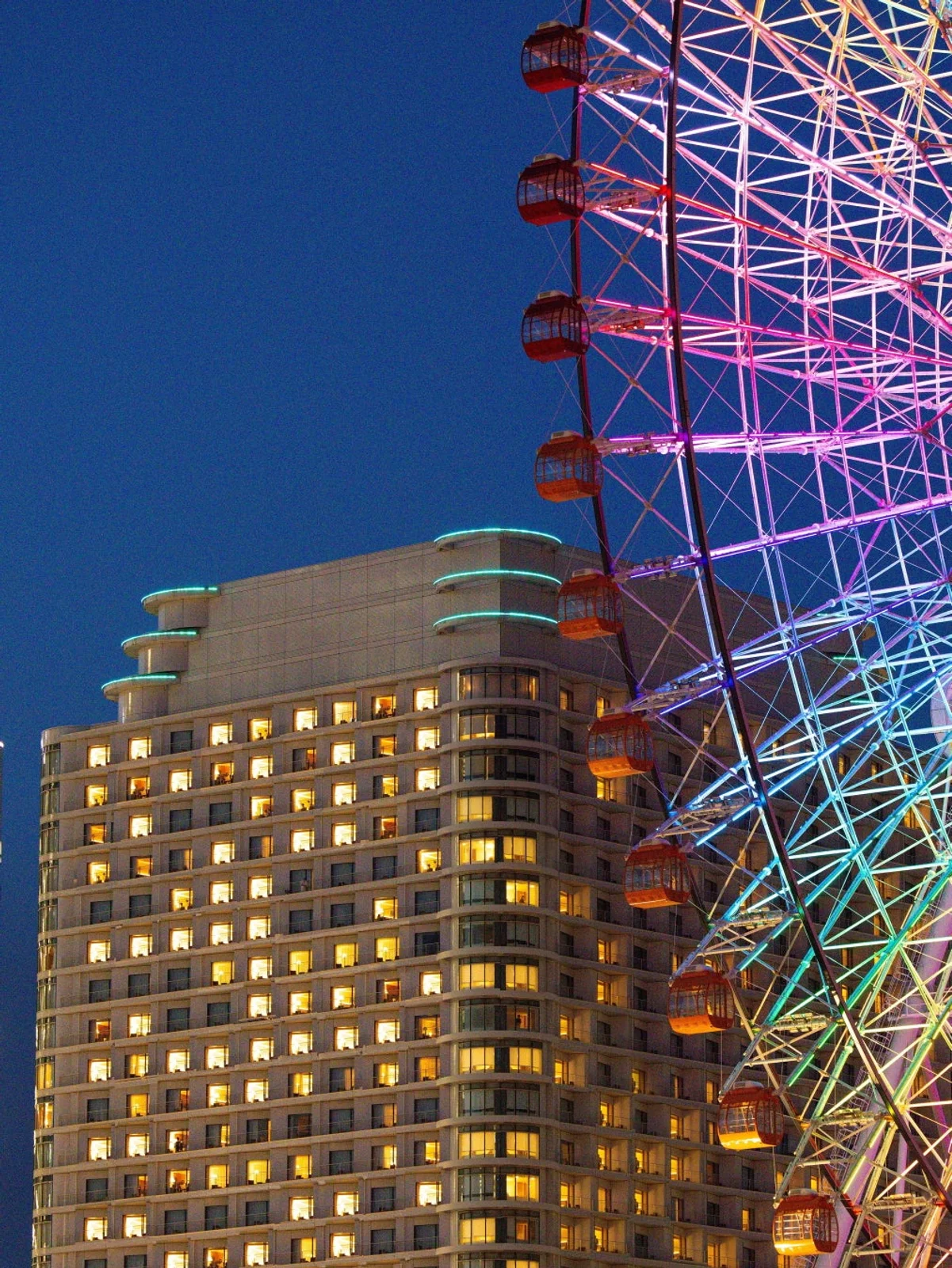
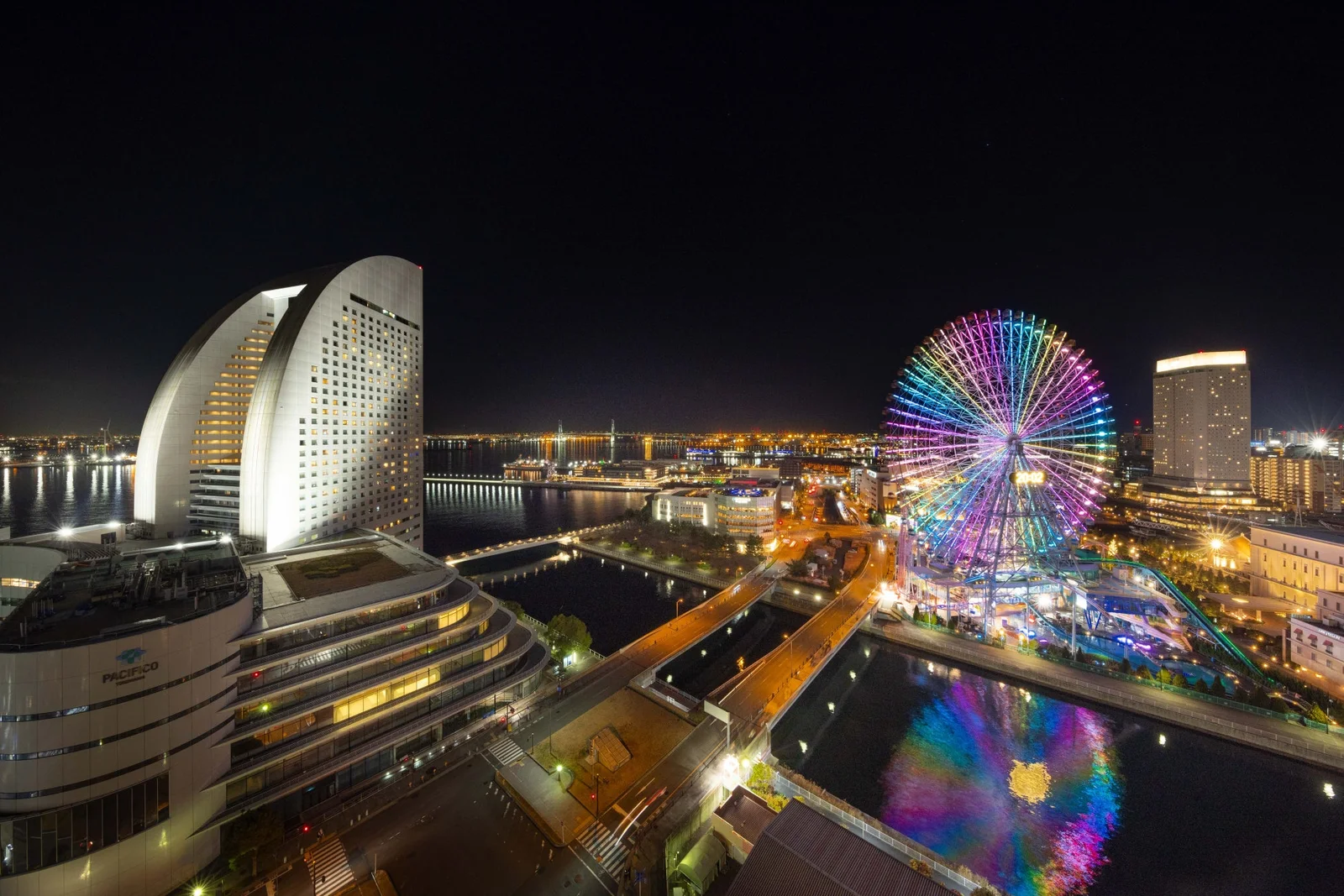
Minato Mirai is where a hotel becomes part of the itinerary. The Ferris wheel, bayfront skyline and broad pedestrian spaces remain enjoyable after day visitors have started leaving. It suits couples and families who value a spacious room and a slow evening, but views and balconies belong to specific categories, not to every booking made at a waterfront hotel.
Shinagawa is a logistics base rather than a neighbourhood fantasy. It works because Keikyu, JR and the Shinkansen meet in one place. Travellers who will spend most of their time in Tokyo can visit Yokohama directly without moving luggage, then leave for Haneda, Kyoto or Osaka with a simpler final morning.
Choose by Traveller Type and Onward Route
A first-time visitor trying to cover both cities should count actual sightseeing days. Two Tokyo days with a half-day in Yokohama point to Shinagawa. A harbour day, a Yokohama evening and a Kamakura extension point to Yokohama Station. Staying in Tokyo merely because it has more hotels can create two unnecessary late train journeys.
Couples and anniversary travellers get the most from Minato Mirai because the room can continue the waterfront experience. Families should compare room size and indoor access rather than chasing the lowest map distance: a stroller, a sleeping child and two suitcases can make a direct station connection more valuable than a hotel that is technically 300 metres closer to an attraction.
No car is needed in any of the three areas. From Haneda, Keikyu makes both Shinagawa and Yokohama Station straightforward. Arriving from Kyoto or Osaka by Shinkansen usually favours Shinagawa. If Kamakura, Enoshima or another Kanagawa stop comes next, keeping Yokohama as your base avoids a backtrack.
Three Hotels Worth Prioritising
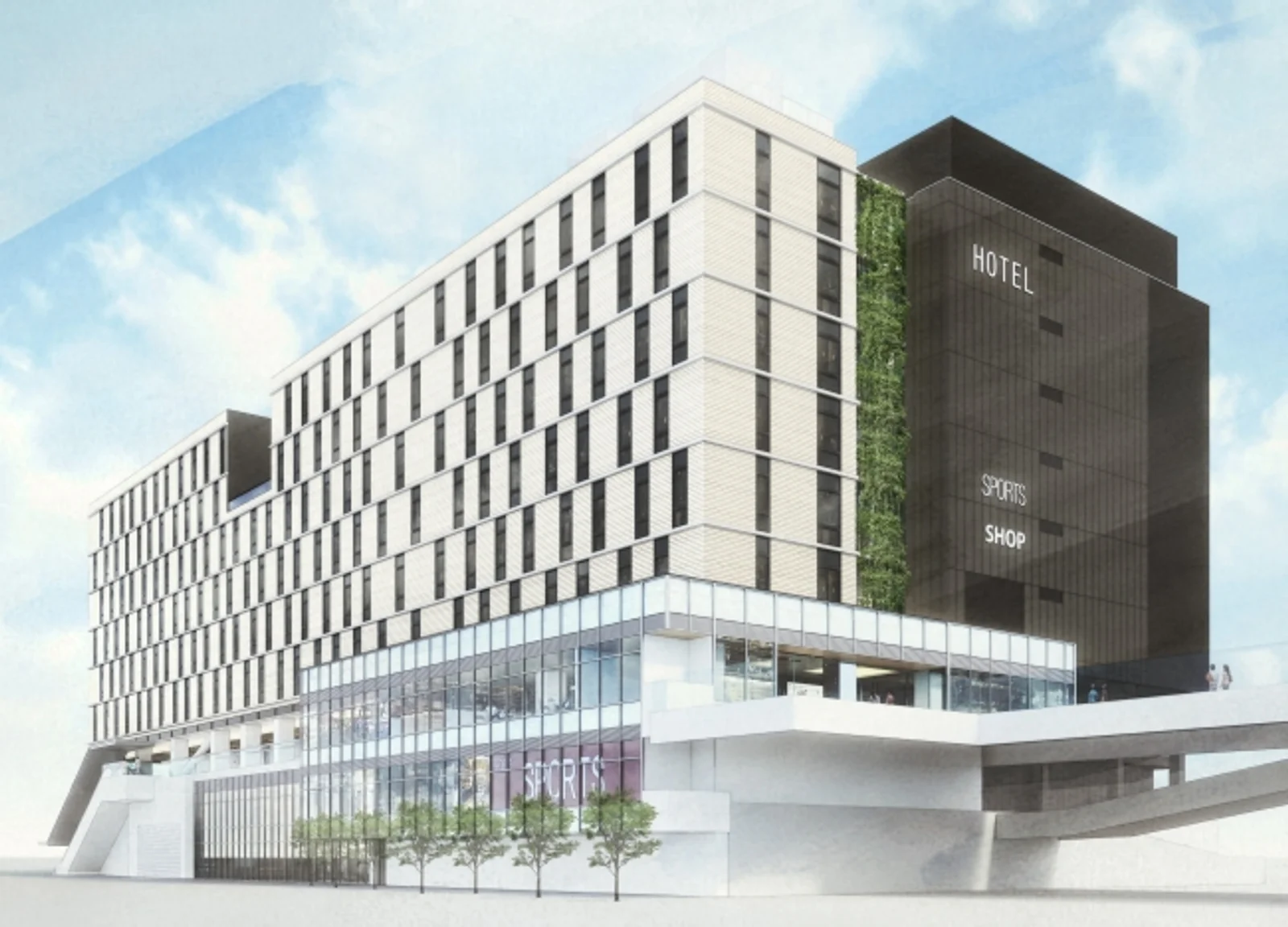
JR-East Hotel Mets Yokohama
This is the practical choice for travellers who want Yokohama without turning every transfer into a luggage exercise. The north side of Yokohama Station is close enough for a late arrival, while the rail network keeps Tokyo, Kamakura and Haneda available the next morning.
Stay highlights
Rooms and sleep
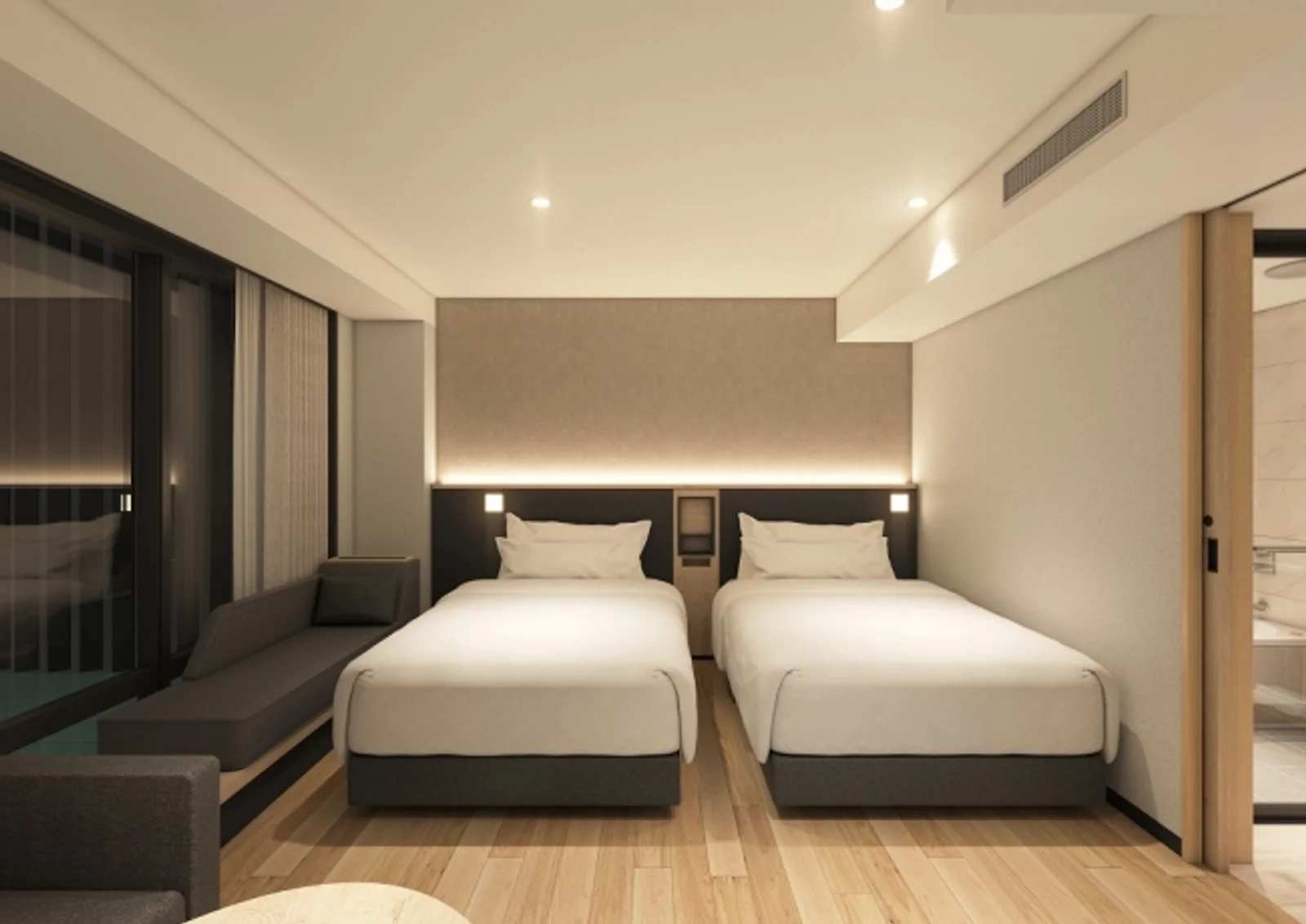
The 19–20 m² Superior Twin works for two light packers; the roughly 25 m² Deluxe Twin is the safer choice for two large cases or a third guest. Twin rooms use two beds of about 120 × 195 cm. Standard twin bathrooms are generally compact bath-and-shower units, while the Deluxe Twin offers a more useful separate wash area. The rooms are designed for efficient sleep and packing, not destination views.
Location and transport
From Yokohama Station's North Gate and northwest side, the hotel is about a three-minute walk via the pedestrian deck. That short route helps in rain and with luggage, but using the central gates can send first-time guests on a needless detour. Typical journeys are about 20 minutes to Shinagawa and around 25 minutes to Haneda, depending on the service.
Hotel experience
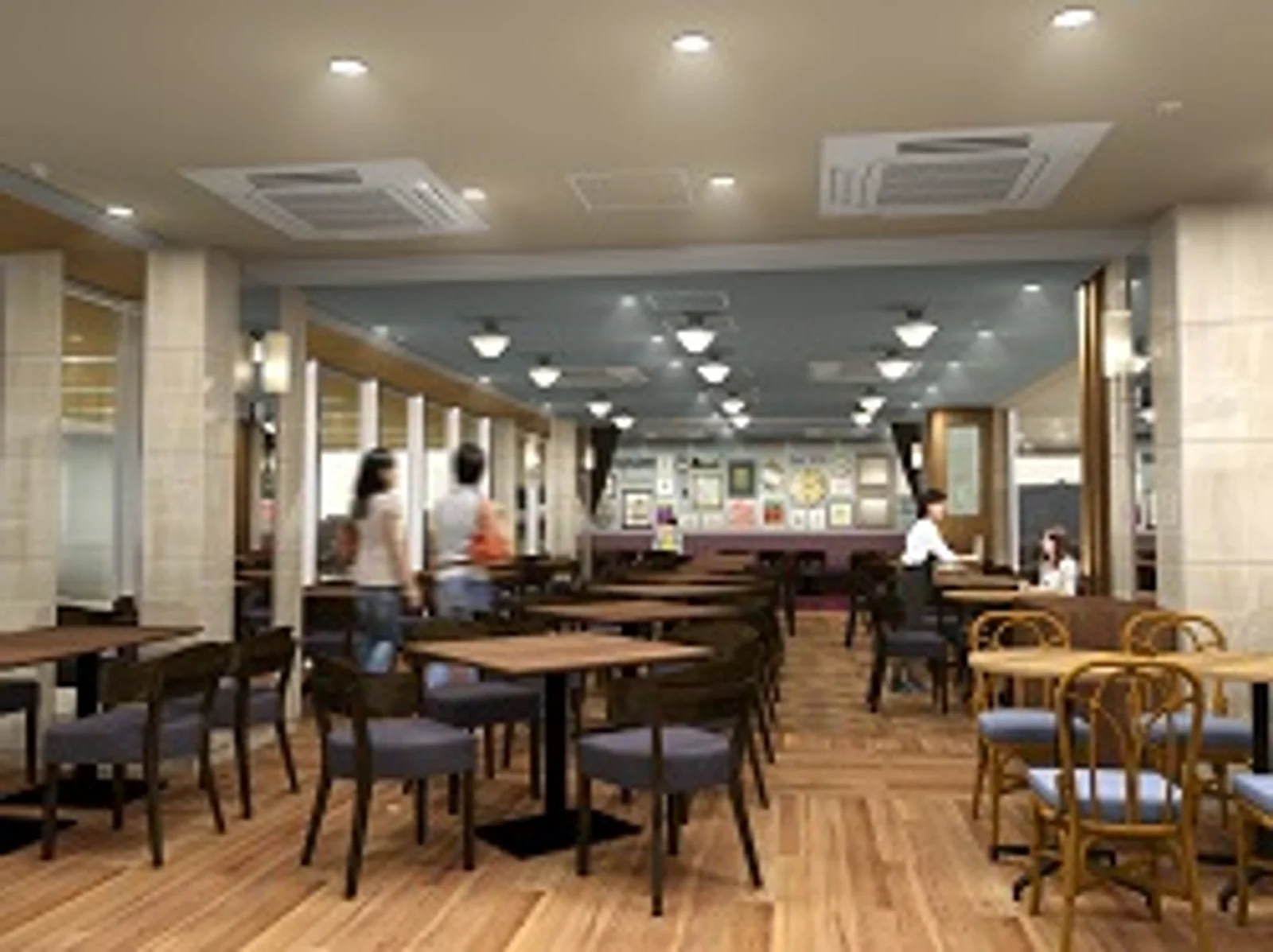
Breakfast is served at Bistro Katsuki when included in the rate. The surrounding commercial complex gives you quick access to food, convenience stores and last-minute shopping. Its strongest facility is really the station itself: several rail operators are available without rebuilding the day's plan.
Booking notes
The smaller room categories become tight when two full-size suitcases are open, and the waterfront is not outside the lobby. Rates are usually mid-range but can rise sharply for weekends, concerts and city events. Breakfast and free cancellation apply only to selected plans.
The Yokohama Bay Hotel Tokyu
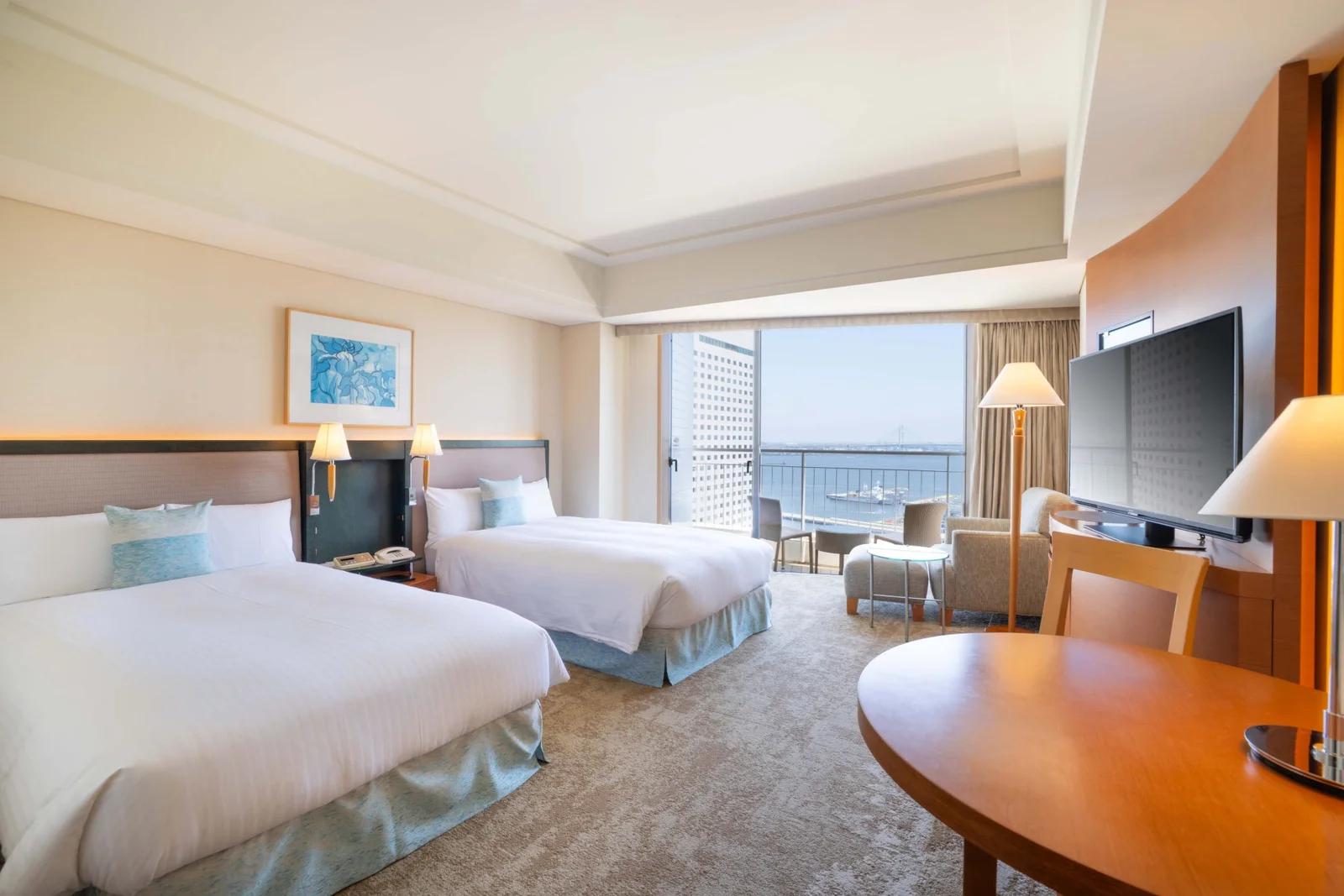
Choose this hotel when the room and the harbour are part of the reason for visiting Yokohama. It is especially persuasive for couples, celebrations and families who would rather end the evening above Minato Mirai than squeeze onto a train back to Tokyo.
Stay highlights
Rooms and sleep
A Deluxe Twin City View is about 38.7 m², while Executive Twin and King categories are roughly 36–40.5 m²—generous by Tokyo standards. Some rooms include balconies, and the approximately 49.9 m² Luxury Ocean Twin adds a view bath. None of those features should be assumed: confirm the exact direction, balcony wording and bathroom type on the room page before paying for an upgrade.
Location and transport
The hotel connects with Minatomirai Station through Queen's Square and places major waterfront sights within walking distance. The internal Queen's Square approach is closed roughly from midnight to 7 a.m.; late arrivals and early departures need Exit 5 and the hotel's main entrance. That detail matters more with children or rolling luggage than the headline 'direct connection' suggests.
Hotel experience
Breakfast-inclusive plans commonly use designated hotel restaurants such as Café Tosca, but the venue and menu depend on the package. Queen's Square, Landmark Plaza and nearby attractions provide food and indoor alternatives without another train ride, which is particularly useful for a one-night family stay.
Booking notes
Expect an upper-mid-range to luxury price band, with the largest increases on weekends, event dates and premium-view rooms. A city-view or lower-floor room will not reproduce the balcony photographs. Breakfast, cancellation flexibility and room upgrades vary by plan.
Shinagawa Prince Hotel
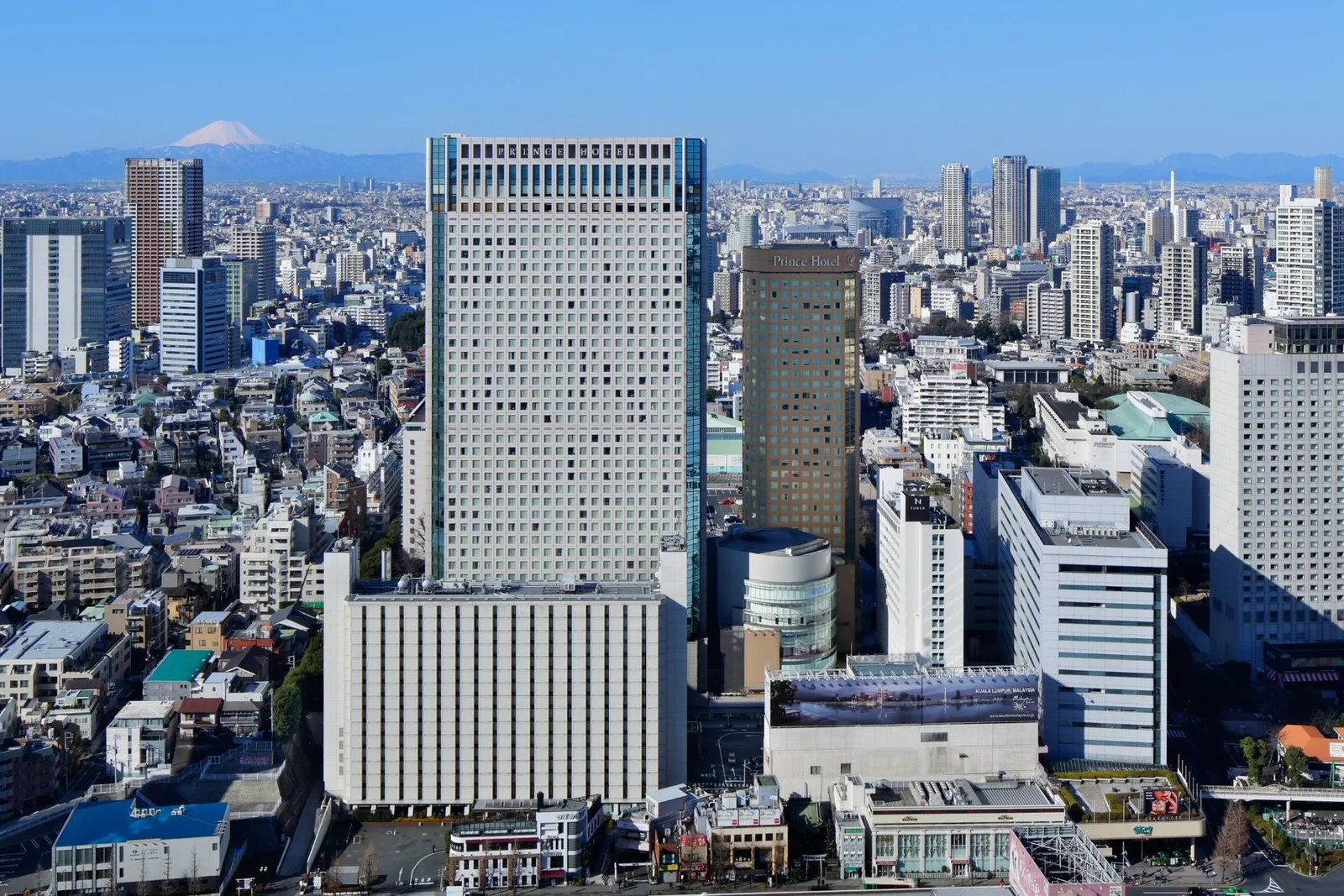
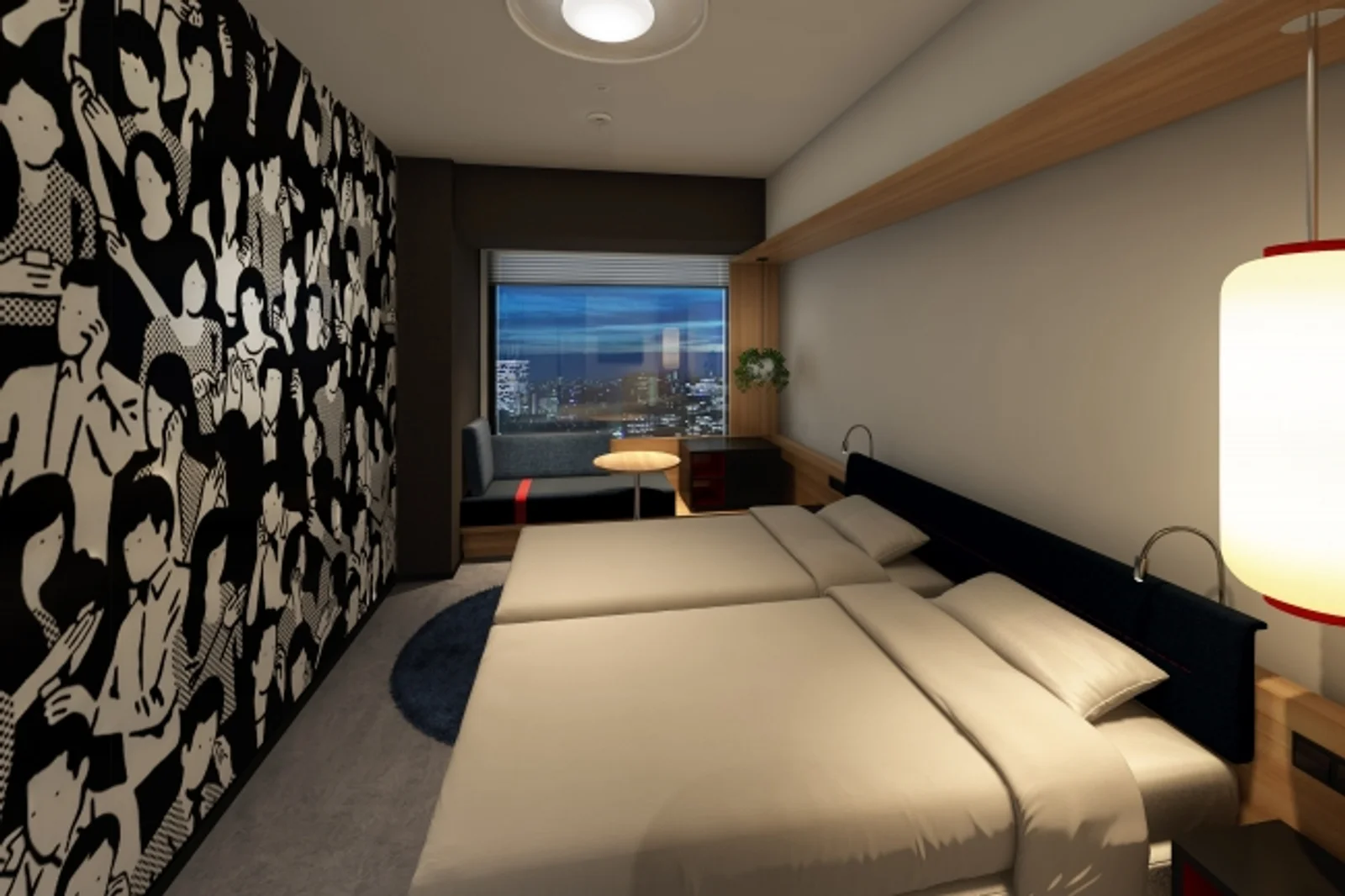
Shinagawa Prince Hotel is the efficient Tokyo answer: useful when Yokohama is one chapter of the trip and the final morning belongs to Haneda or the Shinkansen. It is a large multi-tower complex, so its value comes from transport and choice rather than boutique intimacy.
Stay highlights
Rooms and sleep
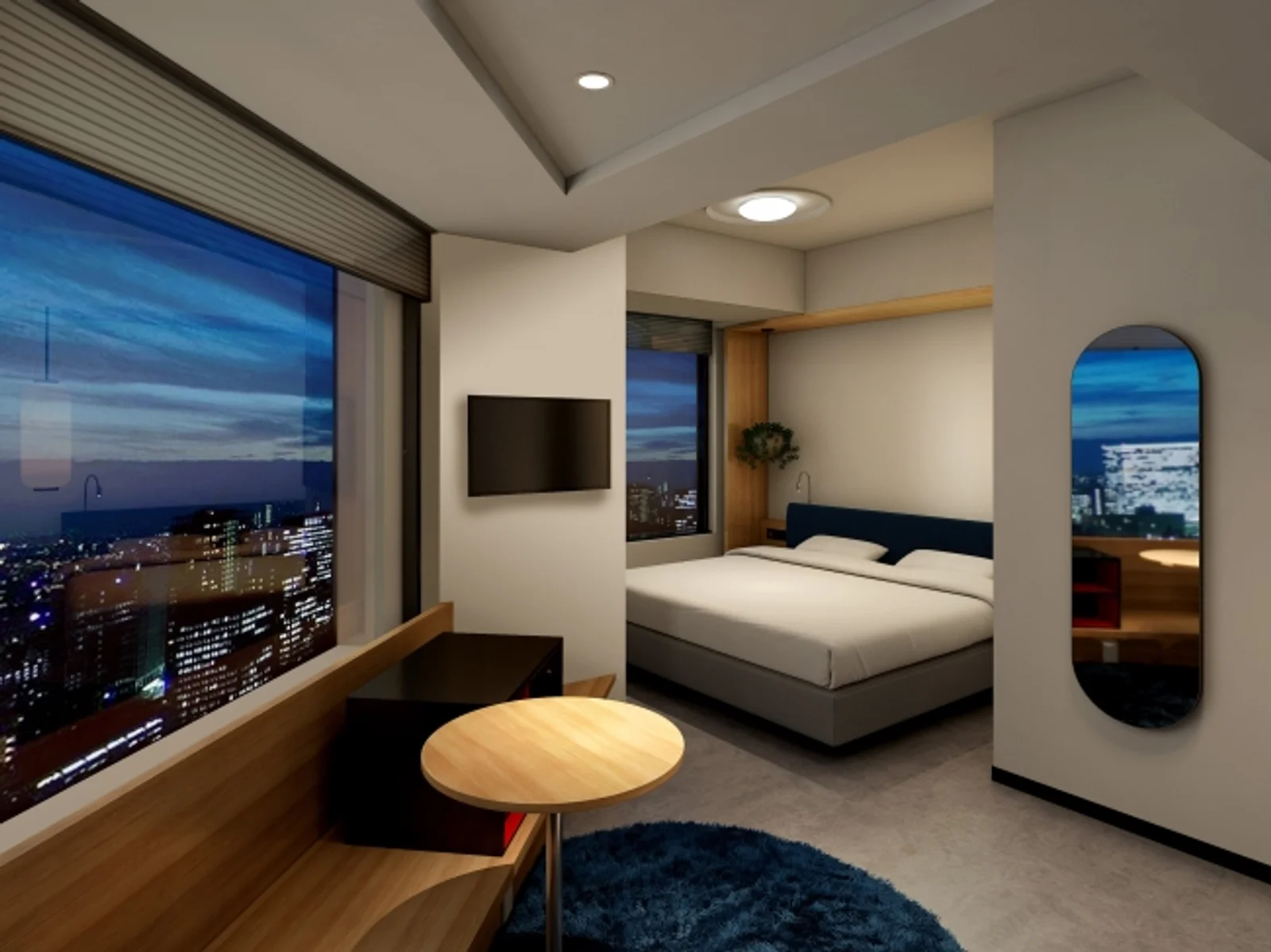
The Annex Millennial Twin is about 20.8 m² and the Annex King about 25.6–26.2 m². In the Main Tower, a standard Twin is around 21 m² and a Corner Twin about 26.5 m². Two travellers with large luggage should prioritise the King or a larger corner category instead of choosing purely by price. Bathroom layout and renovation level differ by tower and room name.
Location and transport
The hotel is roughly two minutes from Shinagawa Station's Takanawa Exit, across the road from the station. Keikyu can reach Haneda in the low-teens of minutes on the fastest services, while JR trains run directly to Yokohama and Tokyo Station. The approach is not fully indoors, so rain, crossings and peak-hour crowds still deserve a small buffer.
Hotel experience
Breakfast arrangements vary across packages and restaurants. The complex includes an aquarium, cinema, bowling and multiple dining options, giving families a weather-proof fallback. Those facilities are useful, but the decisive advantage remains the ability to check out and continue the journey with fewer transfers.
Booking notes
Main Tower, Annex and other sections are not interchangeable; room size, finish and walking route can differ considerably. The district is quiet compared with Minato Mirai after dinner. If Yokohama's night skyline is the emotional centre of the trip, commuting back to Shinagawa weakens that experience.
How to Allocate One Night or Two
For one night, sleep where the evening ends. A sunset-to-night waterfront plan deserves Yokohama, because the final blue-hour walk is exactly what a Tokyo return train interrupts. If Yokohama is a short daytime stop and the next morning starts at Haneda or on the Shinkansen, choose Shinagawa.
For two nights with more than one full day in Yokohama, keep both nights there. Use Yokohama Station when transport and luggage matter most; use Minato Mirai when the room, view and evening walk justify the premium. For a Tokyo-led itinerary with one Yokohama day, two nights in Shinagawa normally beat a hotel change.
A one-plus-one split works only when the route moves forward: first night in Yokohama, luggage transferred to Shinagawa after checkout, then Tokyo activities and an onward departure from the Tokyo side. If day two sends you back to Chinatown or Minato Mirai, the split adds storage, check-in and suitcase time without solving a real problem.
Continue Planning This Part of Japan
After checking into Minato Mirai, use the evening for the Yokohama Air Cabin-to-Osanbashi night walk instead of watching the blue hour from a train back to Tokyo.
Summer dates can change the best base completely. Compare crowd exits and hotel areas in the Tokyo Summer Fireworks 2026 guide before locking in a non-refundable room.
From a second night in Shinagawa, a bay-side day can continue with the Tokyo Toyosu Manyo Club onsen and rooftop-footbath plan while your main luggage stays at the hotel.
If Tokyo is the launch point for a longer regional trip, compare the Tokyo autumn day trips and overnight trade-offs before deciding where the final night belongs.
When comparing rooms, check the cancellation deadline, breakfast inclusion, exact tower or view category and total price for your dates. Rates change with events, weekends, occupancy and package terms.


