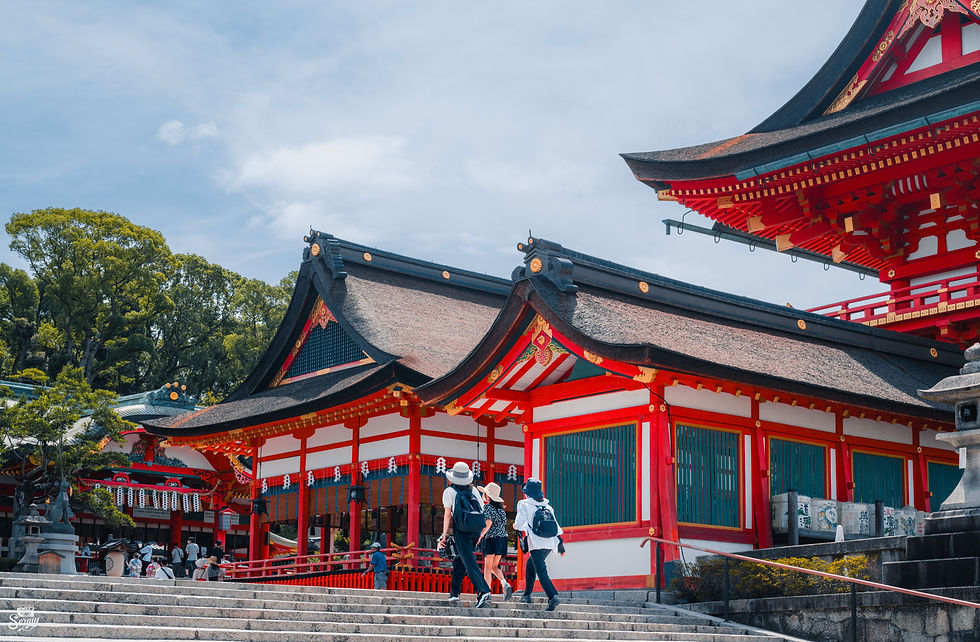
Free Autumn Leaves in Kyoto 2026: Parks, Paths, Ginkgo and Routes
- cody
- 3 days ago
- 5 min read
Free autumn leaves in Kyoto can make for a wonderful day out, but “free” needs a clear definition. Public paths and parks charge nothing; some temples let you in for general worship but charge for the gardens, halls or maple enclosures; and a few of the most famous foliage views are ticketed, full stop. The smartest budget strategy is sticking to one transport corridor rather than chasing three scattered no-admission spots whose fares and lost time end up costing more than a single garden ticket would.
Last checked August 4, 2026. Kyoto’s live 2026 foliage calendar hadn’t opened yet, so treat mid-November through early December as a rough historical window, not a forecast. Ginkgo, low-elevation maples, Tadasu no Mori and the Arashiyama mountainside don’t all peak at once, so check dated official photos the week you travel.
Genuinely free, partly free and paid anchors
Category | Examples | Boundary |
|---|---|---|
Public and free | Kyoto Gyoen, Kamo River, Philosopher’s Path, Okazaki canal, Maruyama Park, public Arashiyama | No admission; transport and individual facilities remain separate |
General worship free | Outer Nanzenji, Shimogamo, Nishi Honganji, general Kitano Tenmangu | Hojo, Sanmon, subtemples, gardens and Momiji-en may charge |
Main foliage paid | Eikando, Tofukuji Tsutenkyo, Kiyomizudera precinct, Kodaiji, Hogonin | Use as one optional paid anchor, not as a free recommendation |
The biggest mistake here is assuming an entire temple is free. Nanzenji’s outer grounds and aqueduct are open without admission, but the Hojo, Sanmon and subtemples all have separate tickets. General worship at Kitano Tenmangu is free too, though the famous Momiji-en maple garden is ticketed. It helps to know upfront what you’re giving up by sticking to the free areas.
Route 1: Kyoto Gyoen, the Kamo River and Tadasu no Mori
If it’s your first visit, or you’re traveling with seniors or kids, start at Imadegawa or Marutamachi Subway Station and spend 60–90 minutes inside Kyoto Gyoen. After lunch, head toward Demachiyanagi and pick either the river delta or Tadasu no Mori. The full day can add up to five to seven kilometres of walking, but every section has a station, a meal stop or an easy exit nearby.
Kyoto Gyoen itself is open around the clock and free, though individual facilities like Shusuitei keep their own hours and fees. Tadasu no Mori tends to color later than the central ginkgo trees, so it’s still worth a visit into early December. After rain, keep an eye on kids near the river and expect the forest ground to be damp.
Route 2: Nanzenji, the aqueduct and half of Philosopher’s Path
For architecture and eastern Kyoto color, enter from Keage Station, take in the free outer Nanzenji grounds and the Suirokaku aqueduct, then finish in Okazaki or walk just the southern half of the Philosopher’s Path. Treat this as a half-day to six-hour route — not a springboard to Ginkakuji and then a cross-city trek to Arashiyama.
The Philosopher’s Path itself is public, but the temples along it charge separately, and the canal isn’t one continuous tunnel of red leaves the whole way. Pairing one paid garden with strong color and the free corridor often gives better value than spending another hour in transit.

Route 3: Kyoto Station and the Honganji ginkgo
On arrival day, departure day, or with heavy luggage, Higashi Honganji and Nishi Honganji are the easiest picks. General worship is free, and the route is an easy walk from Kyoto Station. Nishi Honganji’s giant ginkgo is a Kyoto City natural monument, though the photo spots get crowded at peak color.
Store your luggage at the station or hotel first. If the ginkgo is still green, stick with the temple architecture, Kyoto Station or Umekoji instead of crossing the city chasing another yellow tree. And don’t assume Shoseien or any special openings are free — check first.

Arashiyama, Gion and Kitano: what remains free
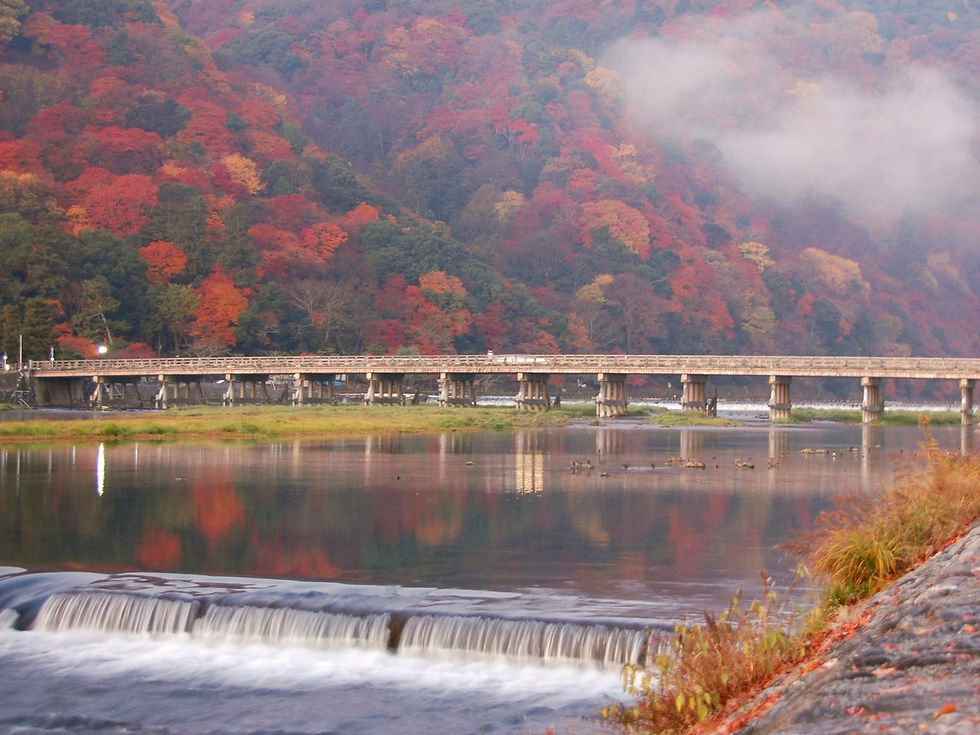
Public Arashiyama covers Togetsukyo Bridge, the riverbanks, parks and the public bamboo path. You’ll still get mountain and river scenery without paying a temple entrance fee, but peak-season crowds are intense and rain flattens the distant view. Start early, stick to one side of the river, and decide later whether one paid garden is worth adding.
Yasaka Shrine, Maruyama Park and Gion are a good match for an afternoon, kimono photos and an early dinner — just know their public evening atmosphere isn’t the same as a temple illumination event. Kitano and Nishijin work well as a culture-focused route, but without the paid Momiji-en, the free foliage there is limited and probably isn’t worth a dedicated cross-city trip on its own.

How to handle the ginkgo and maple mismatch
Mid-November tends to favor ginkgo and the earlier urban trees; late November is the broad sweet spot for Kyoto Gyoen, outer Nanzenji and Arashiyama; early December can still catch Tadasu no Mori and some lower-elevation color. Think of this as a rough backup sequence, not a firm 2026 forecast.
If your travel dates are fixed, compare three official dated photo streams — Kyoto Gyoen, an eastern or Arashiyama corridor, and Tadasu no Mori — and go with whichever tree type and district is currently strongest. Since free routes need no advance booking, they’re perfect for a last-minute call one to three days out.
Transport, IC cards and hotel bases
Kyoto’s city buses, subway, JR, Hankyu, Keihan and Randen are all separate networks. For just a few rides, ICOCA, Suica or another major IC card is easiest; only bother comparing day passes if your planned rides genuinely add up to justify one. Note that a nationwide JR Pass doesn’t cover city buses, the subway or most private railways.
Kyoto Station works best for Honganji, luggage and JR access. Karasuma Oike balances Gyoen, Okazaki and Keage nicely via two subway lines. Gion is convenient for Yasaka and short Higashiyama walks but less practical for cross-city travel. Hotel Granvia Kyoto, The Royal Park Hotel Iconic Kyoto and Hotel The Celestine Kyoto Gion are just examples of well-placed bases — not a claim about availability or price.
Green leaves, fallen ginkgo, rain and crowd Plan B
If the maples are still green, lean on ginkgo, architecture and river scenery, or add one paid garden in the same district with confirmed color. If the ginkgo has already dropped, try the mixed foliage at Kyoto Gyoen or the later color at Tadasu no Mori. Heavy rain rules out riverbanks, long paths and Arashiyama’s mountain views, so swap in Honganji, the Okazaki museums or Kyoto Station instead.
If transport costs or fatigue start piling up, just cut the most distant zone from the plan. A 60–90-minute Gyoen loop, a Honganji half day or a short Okazaki route all work fine on their own. That’s the real advantage of free admission — you can stop anytime without losing money on an unused ticket.
In the end, prioritize live color first, then walking tolerance, then sticking to one transport corridor — and only then worry about admission cost. A free route can still be poor value if it means two transfers, a crowded bus and no meal break. On the other hand, a short Gyoen or Honganji route can be the best way to spend an arrival day, a departure day or a rainy one.
Related reading and official checks
Information last checked August 4, 2026. Please reconfirm admission boundaries, special openings, transport fares, facility hours and live foliage status with official sources before you go.