

Where to Stay in the Kiso Valley: Tsumago, Kiso-Fukushima or Narai for Two Nights
- Iris

- 1 day ago
- 7 min read
For a first Kiso Valley trip without a car, Kiso-Fukushima is the most dependable place to stay. It gives you the broadest rail flexibility, easier luggage handling and enough food options to recover when weather or train timing changes. From one central base, you can travel south towards Tsumago, Magome and Atera Valley or north towards Narai.
Stay around Nagiso or Tsumago when the Magome–Tsumago section of the Nakasendo is the main event and you want a bath and dinner soon after the walk. Choose Narai when the preserved post town after the day-trippers leave—and the accommodation itself—matters more than having the widest choice of trains and restaurants.
With two nights, keeping both in Kiso-Fukushima is the lowest-friction plan. For an open-jaw route from Nagoya towards Matsumoto or Tokyo, one night near Nagiso followed by one in Narai creates a clean south-to-north journey. The right base depends less on the cheapest nightly rate than on the walk direction, your next city and what happens to your main suitcase.
The 30-second stay decision
First visit: choose Kiso-Fukushima for the strongest balance of rail access, food and backup options.|Only one night: stay in Kiso-Fukushima unless the Magome–Tsumago walk is the entire purpose of the trip.|Late arrival or early departure: use Kiso-Fukushima, where limited-express and local services give you more workable choices.|No car: Kiso-Fukushima is easiest; Nagiso and Narai remain practical when you build around the actual timetable.|Large luggage: keep it in Kiso-Fukushima or use a hotel with a reserved shuttle; do not drag a full suitcase onto the trail or through stone-paved lanes.|Best stay experience: choose Narai for a restored historic room, a quiet evening and an early walk through the post town.
How the three accommodation bases differ
Kiso Valley is a chain of rail stops and former post towns, not one compact hotel district. Nagiso and Tsumago serve the southern Nakasendo section. Kiso-Fukushima is the valley’s practical rail and service hub. Narai, farther north, is the strongest choice for travellers who want to sleep inside a preserved streetscape and continue towards Matsumoto.
All three can work without driving, but each has a different source of friction. Nagiso requires a bus or hotel shuttle for many properties. Narai relies mainly on local trains. Kiso-Fukushima has better rail flexibility but less of the storybook post-town atmosphere. Compare the last connection, walking surface, dinner deadline and luggage route—not only distance on a map.
Choose by traveller and onward route
First-time and car-free travellers: Use Kiso-Fukushima as the anchor. Two nights in one room let you switch the southern and northern day according to weather, and a delayed local train is less likely to dismantle the whole itinerary.
Couples and experience-led trips: Split the nights between Kiso-Fukushima or Nagiso and Narai. Narai earns its premium through the evening street, dinner and early morning—not simply a larger room.
Families and older travellers: A Nagiso resort with meals and a reserved shuttle can remove the hardest post-hike transfer. The alternative is two Kiso-Fukushima nights, which avoids one checkout and keeps rail options open.
Large luggage: Forward the main case to Matsumoto, Nagoya or your next full-service hotel and carry one night of essentials. Stone lanes, station stairs and the Magome–Tsumago trail punish the assumption that an eight-kilometre walk and a rolling suitcase can share the same day.
Late arrivals, early starts and onward travel: Kiso-Fukushima is usually the safer night before a timed train. On a Nagoya-to-Matsumoto route, start at Nagiso and finish at Narai so each move continues north instead of retracing the valley.
Drivers: A car expands the choice of secluded ryokan, but it does not remove old-town parking rules, winter road conditions or dinner check-in deadlines. Confirm where the car is left before assuming the room has door-side access.
Three hotels worth considering first
Onyado Tsutaya
Onyado Tsutaya is the balanced choice for a first visit by rail. It keeps you close enough to Kiso-Fukushima Station for day trips while preserving the onsen, dinner and atmosphere of a traditional inn instead of turning the central base into a purely functional hotel night.

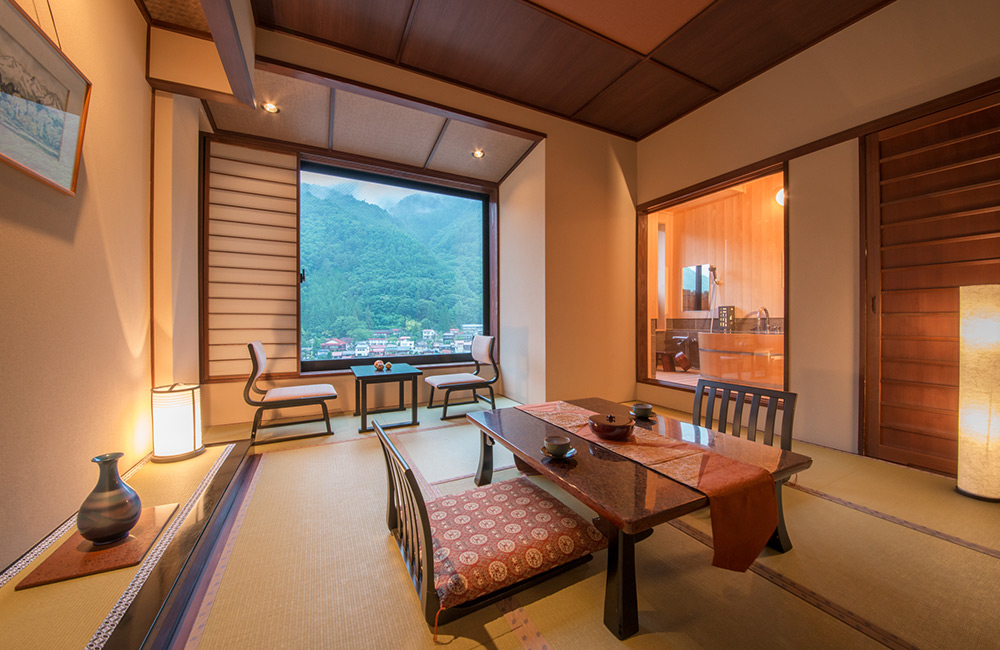

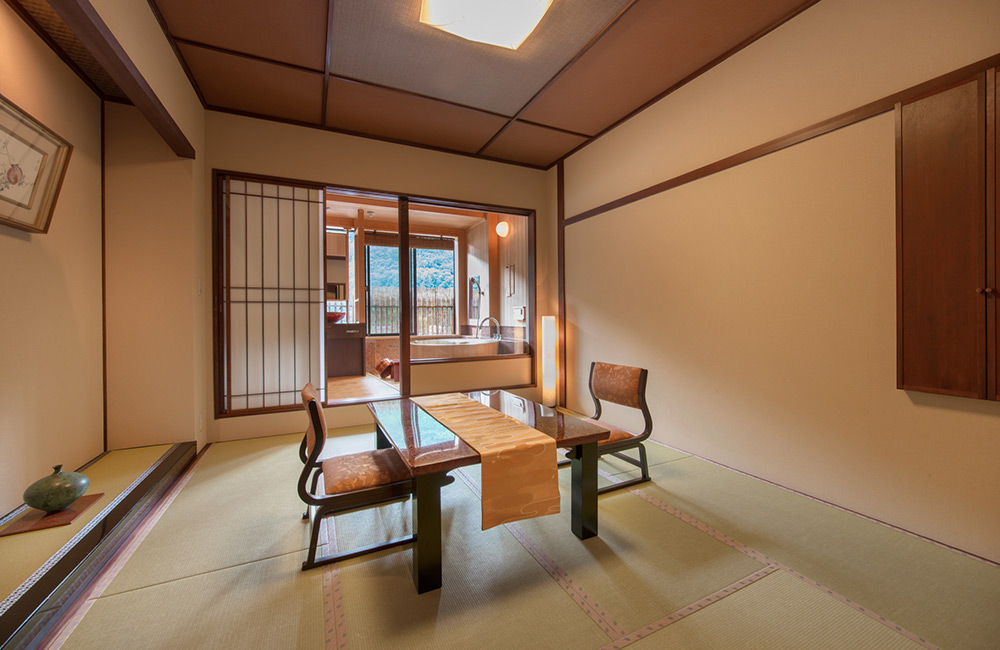

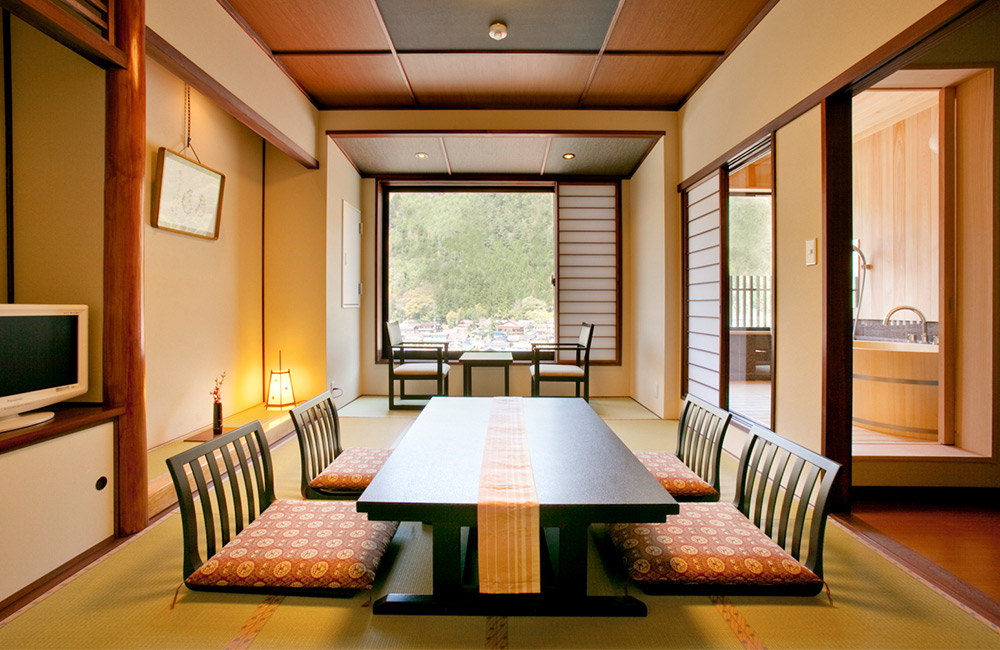
Stay highlights
Rooms and sleep
For two travellers, the roughly 16-square-metre Standard Twin in the main building provides two beds, a private shower and toilet, and enough room for a short stay with modest luggage. The approximately 23-square-metre Annex Twin gives two suitcases more breathing space, but the three-storey annex has no passenger lift, so guests with mobility concerns should request the main building or confirm the floor.
Location and transport
The inn is around a 10-to-12-minute walk from JR Kiso-Fukushima Station, mainly outdoors. Rain, snow or a heavy case can make that short distance meaningful; ask the property in advance whether station pickup is available for your arrival. The rail base works south towards Nagiso and Nojiri and north towards Narai.
Hotel experience
The public hot-spring bath and the option of ryokan dinner and breakfast are the facilities that change the stay. Vegetarian, vegan and gluten-free needs require advance notice. Check the named rate carefully because room-only, breakfast and half-board plans do not deliver the same experience.
Booking notes
The annex sits across the road from the main building, where the dining room and public bath are located. Dinner plans have an arrival window, and payment and free-cancellation rules vary by offer.
TAOYA Kisoji
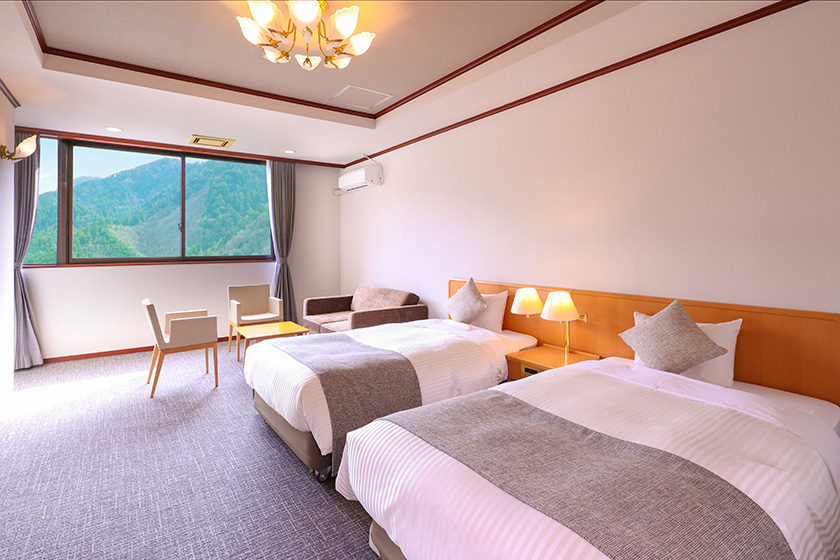
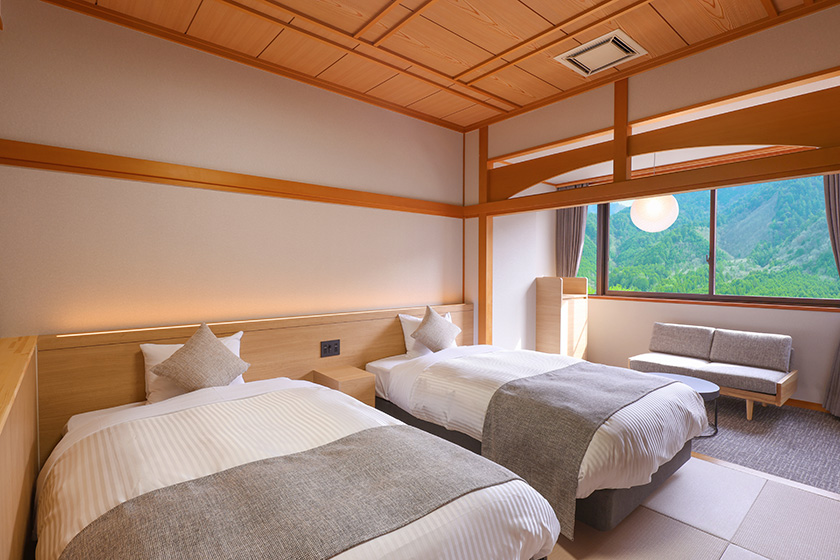
TAOYA Kisoji suits families, couples and groups who want the walking day to finish with a proper resort evening. It is not a small inn inside Tsumago; it solves the post-hike problem by concentrating meals, lounge drinks, bathing and downtime in one valley property.

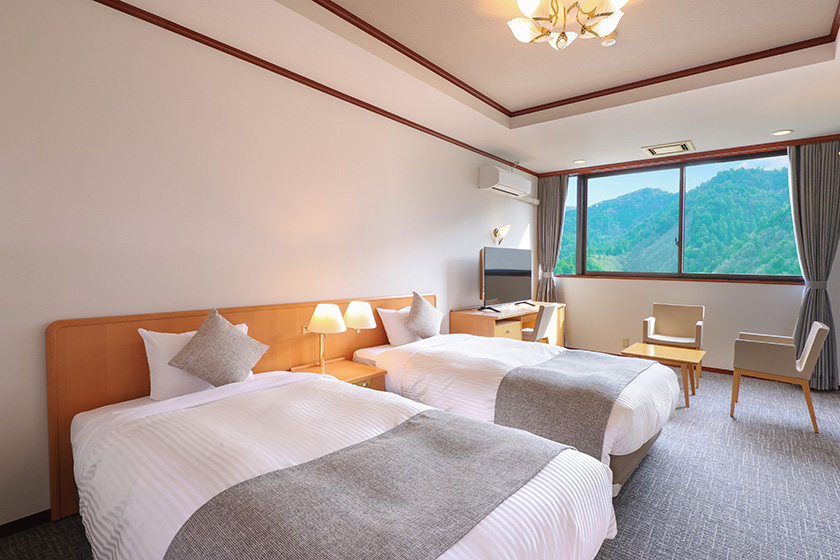


Stay highlights
Rooms and sleep
A Superior Japanese-Bed Twin of roughly 30 square metres gives two guests and their luggage more usable floor area than the entry categories, with two beds and private bathroom facilities. Japanese-Western rooms, tatami rooms and lower-priced categories differ in bedding and bath configuration, so confirm whether the exact room has a bathtub or shower and how extra guests sleep.
Location and transport
The hotel is not walkable from the preserved streets of Tsumago. Its reserved shuttle is about 15 minutes from JR Nagiso Station or about 40 minutes from JR Nakatsugawa Station. Treat the booking deadline and published departure as part of the hotel reservation, not a transport detail to solve after the hike.
Hotel experience
Dinner and breakfast buffets, lounge drinks, the large onsen, massage chairs and family amenities create the value. The property makes the most sense when you arrive with time to use the resort rather than checking in late and leaving on the first shuttle.
Booking notes
There are few useful dinner alternatives nearby, and the shuttle is scheduled rather than on demand. Some economy rooms are shower-only, while private bathing and selected entertainment may cost extra. Meal inclusion and cancellation flexibility remain offer-specific.
BYAKU Narai
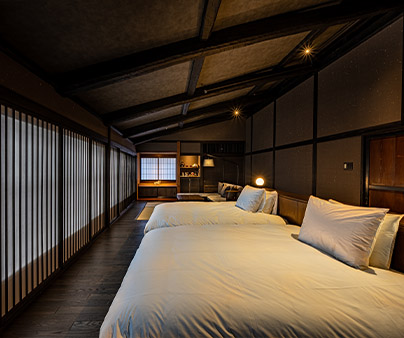
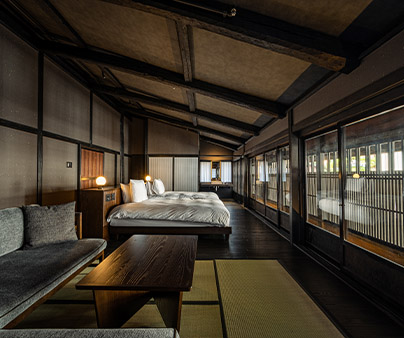
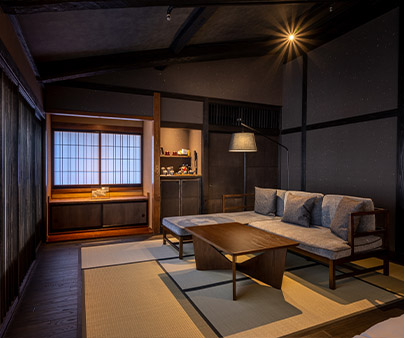
BYAKU Narai is for couples, special occasions and travellers who want the preserved town to continue after sightseeing hours. Sleeping in restored buildings turns Narai from a daytime stop into a slower sequence of dinner, bathing, empty streets and an early departure towards Matsumoto.



Stay highlights
Rooms and sleep
Room 104 is one useful example: approximately 37 square metres with one king bed, a semi-open-air bath, a terrace and garden and mountain outlooks. Other rooms occupy different historic buildings and vary substantially in size, stairs, bath and view. Compare the named room rather than assuming the lowest rate includes the same private bathing setup.
Location and transport
The property is about five to seven minutes on foot from JR Narai Station. The distance is short, but stone paving, thresholds, rain and snow make a large rolling case less elegant than it looks on a map. Narai is naturally placed before Matsumoto; arriving from southern Kiso requires attention to the local-train interval.
Hotel experience
Dinner and breakfast at the in-house restaurant, the bar and the public bath are central to the stay. A meal-inclusive plan reduces dependence on the small number of evening businesses in the post town and gives the restored architecture a purpose beyond photography.
Booking notes
Rooms are spread across historic buildings, so accessibility and layout are category-specific. Arrival and dinner times are firm. Many OTA offers are adult-oriented; families should contact the property before booking to confirm the permitted room, meals and bedding. Flexible cancellation is not universal.
These properties sit in mid-range, upper-mid-range and luxury territory rather than one fixed price band. Compare the same room, meal inclusion, tax-inclusive total, payment timing and free-cancellation deadline for your actual dates.
How to allocate one night or two nights
One night: Kiso-Fukushima is the default for a first trip because it preserves choices for the following morning. Put the only night near Nagiso only when the Magome–Tsumago walk is the clear priority and you can meet the shuttle and dinner schedule.
Two nights without changing hotels: Keep both in Kiso-Fukushima. Use one full day for the southern trail or Atera Valley and the other half-day or departure day for Narai. This is the easiest version for families, luggage and uncertain weather.
Two nights from Nagoya to Matsumoto: Stay near Nagiso first and Narai second. Walk or visit the southern post towns, then continue north by rail for a quieter Narai evening before leaving for Matsumoto. The route minimises backtracking but requires one hotel move.
Two nights with a stronger hotel focus: Combine one practical night in Kiso-Fukushima with one experience-led night at Narai. Families who value bathing and resort facilities more than historic architecture can instead pair TAOYA Kisoji with Kiso-Fukushima.
Continue planning the Kiso and Chubu route
For the valley’s clearest natural-water stop, use the Atera Valley 2026 access and safety guide to plan Nojiri Station, seasonal vehicle restrictions and a realistic half day.
To connect Kiso with Matsumoto and the wider mountain region, the five-day Hokuriku and Chubu itinerary explains one-way routing, luggage forwarding and where not to add another hotel change.
Travellers continuing to Matsumoto can then build the next day with the Kamikochi route from Taisho Pond to Kappa Bridge and Myojin Pond, including the best place to leave a large suitcase.
Search Kiso Valley accommodation
Enter your real dates and compare the same room category, meal plan, tax-inclusive total and cancellation deadline. For Nagiso, confirm the shuttle; for Kiso-Fukushima, check the building and bathroom; for Narai, confirm the exact historic room, dinner and child policy.


