

Kyoto Autumn Leaves November: Early, Mid and Late Routes
- cody
- 2 days ago
- 5 min read
Kyoto autumn leaves in November should be planned as six date windows and one transport corridor per day, not as a generic early–mid–late list. From November 1–5, check Takao, Kibune, Kurama, Ohara and Mt Hiei first. From November 6–10, the mountains still lead while higher Arashiyama becomes a comparison. November 11–15 is a live-choice period between Arashiyama, northern Higashiyama and the mountain tail. November 16–20 brings stronger city options. November 21–25 creates the highest temple and hotel pressure, and November 26–30 favours lowland Kyoto, Uji and Daigoji when northern colour has finished.
Last checked August 4, 2026. Kyoto’s live 2026 foliage season was not yet operating, so these windows are historical planning context rather than a confirmed forecast. Kiyomizudera has confirmed night viewing for November 21–30, but an event calendar is not a peak-colour guarantee. Every other illumination must be checked for its 2026 dates, ticket product, clear-out, final entry and international payment requirements.
Six November windows: choose one corridor
Nov 1–5: Takao, Mt Hiei, Kibune/Kurama or Ohara; central gardens can still be green.
Nov 6–10: mountain Kyoto remains the first check; begin comparing higher Arashiyama and Nishiyama.
Nov 11–15: choose one of Arashiyama, northern Higashiyama or the mountain tail after a live report.
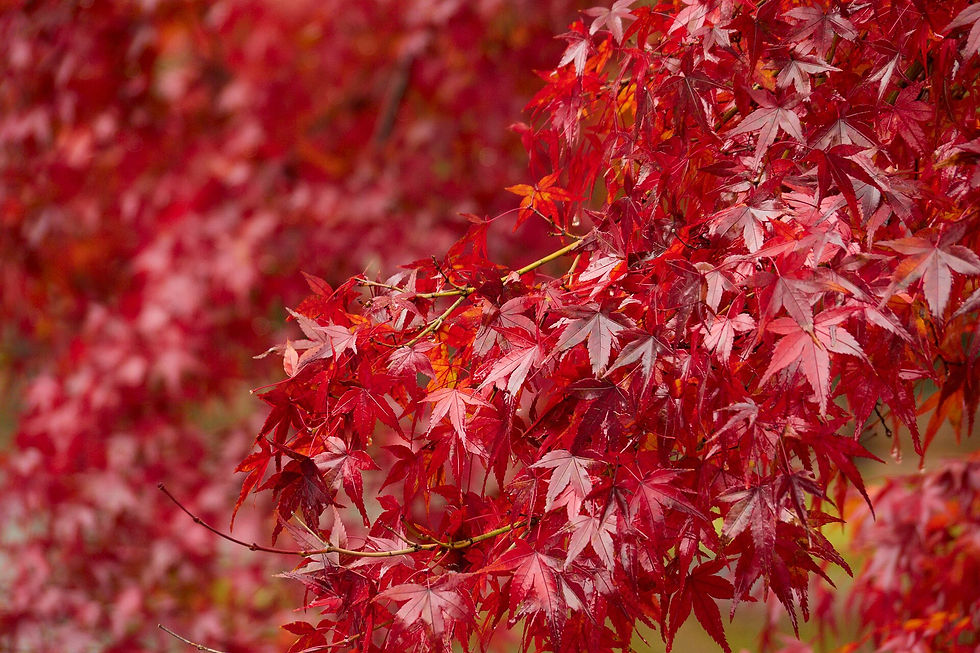
Nov 16–20: Arashiyama, Higashiyama and the early Tofukuji period become stronger; split them across days.
Nov 21–25: Tofukuji, Kiyomizudera, Eikando, lower Arashiyama and Uji; protect crowd buffers.
Nov 26–30: Higashiyama, Uji, Daigoji and late city gardens; retain mountains only when dated reports remain strong.
The windows restrict geography rather than predict a perfect day. Each evening, keep one higher or earlier candidate and one lower or later candidate. Compare the date and exact sub-area of official photographs, the previous 48 hours of wind and rain, daylight, the final service and walking condition. Once the corridor is selected, do not cross Kyoto because of a single social-media image.

November 1–5: make the mountain day the main decision
Use Takao, Ohara, Kibune/Kurama or Mt Hiei as the only major direction. Takao is more controllable when JR reaches Enmachi before the final bus; Jingoji has demanding stairs, so travellers with limited knees can use a Kozanji or Saimyoji short version. Ohara works through the subway to Kokusaikaikan and a final bus, with Sanzenin plus one temple. Eizan Railway gives Kibune and Kurama a clear rail spine, but Kibune still needs a local bus and the Kurama–Kibune traverse is a real hike. If live images remain green, accept temple, moss and lower-crowd value instead of racing back to Higashiyama.
November 6–10: mountains or Arashiyama, never all three axes
Mountain Kyoto usually remains the first check while higher Arashiyama and Nishiyama begin entering the comparison. A Takao or Ohara day should stay in that district and begin returning by mid-afternoon. If strong wind has already shortened the mountain season, use JR Sagano Line for an early Arashiyama entry, placing Tenryuji or Okusaga before the Togetsukyo core. Do not combine Takao in the morning, Arashiyama in the afternoon and an eastern illumination at night: three transport blocks remove the daylight, meal and fatigue buffer.
November 11–15: the flexible hotel base matters most
This is the strongest live-adjustment period. Arashiyama offers mountain scenery and temples on a clear day, but its central streets become crowded before lunch. Northern Higashiyama begins at Keage Subway and can be shortened through Nanzenji, Eikando or part of the Philosopher’s Path when weather changes. Takao and Ohara may still be excellent or may already be fading. The solution is one cancellable hotel base and a previous-evening decision, not moving accommodation between north, west and east Kyoto.
November 16–20: separate Arashiyama, Higashiyama and Tofukuji
Several headline areas may become worthwhile together, but they need separate days. Reach Arashiyama by JR, Hankyu or Randen; northern Higashiyama by the Tozai Subway; and Tofukuji by JR Nara Line or Keihan. The rail-first structure reduces road exposure and gives a clear exit. If an illumination is added, return to the hotel in the afternoon, eat early and choose one confirmed event. Do not assume an English-language ticket page, international-card acceptance or continuous daytime-to-night admission until the 2026 organizer explains it.
November 21–25: protect the day from one high-pressure attraction
Hotels, railway platforms, temples and restaurants face their highest combined pressure. Enter Tofukuji early and continue to either a short Fushimi Inari visit or Uji, not both as full attractions. For southern Higashiyama, place the Kiyomizudera slopes in the morning, then use Kodaiji’s surrounding streets, Yasaka and Gion. Kiyomizudera’s confirmed night period starts on November 21, but a day already containing Tofukuji and Fushimi should not cross the city for another queue. A paid ticket does not justify losing dinner or the safe return.
November 26–30: lower districts and cultural value take over
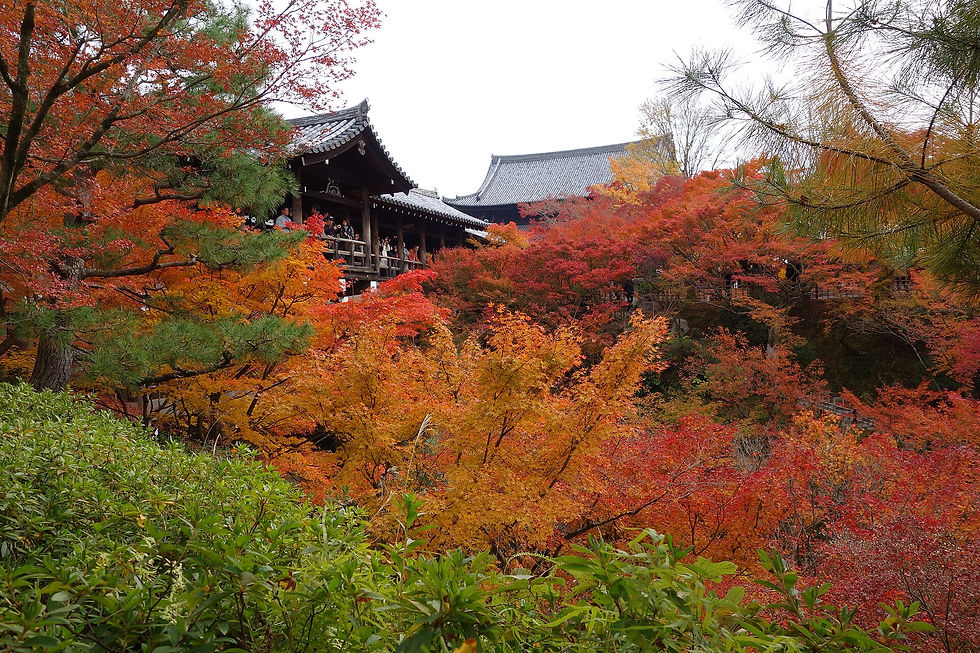
Higashiyama, Tofukuji, lower Arashiyama and city gardens can remain useful, but a windy week can accelerate leaf fall. Uji and Daigoji become practical late-season corridors because tea, architecture and river scenery keep the day worthwhile when colour is partial. Delete northern mountains when current images show bare trees rather than spending several hours on a historical plan. For an early-December extension, treat ginkgo, winter temple atmosphere, museums and food as primary themes, with red leaves as a bonus.

Two, three or five days
With two days, select two transport directions: in early November, one mountain corridor plus Arashiyama or a city day; later, Arashiyama plus Higashiyama or Tofukuji/Uji. With three days, separate mountain Kyoto, western Kyoto and eastern or southern Kyoto, adding no more than one illumination. Five days can include one live-swap day kept uncommitted until the previous evening. Do not change hotels every day: check-in, luggage and early departures remove the flexibility that the extra nights were meant to create.
Rail, passes and international luggage
Travel by train close to the district: JR/Hankyu/Randen for Arashiyama, Tozai Subway for northern Higashiyama, JR Nara or Keihan for Tofukuji, Fushimi and Uji, and Eizan Railway for Kibune/Kurama. Use buses mainly for the final Takao or Ohara segment. In 2026 the Subway & Bus 1-Day Pass is ¥1,100 and the Subway 1-Day Pass is ¥800, but a mixed JR/private-rail day may be simpler on an IC card. Regional rail passes rarely solve the local final segment. Leave large luggage at the hotel or forward it; mountain buses, temple slopes and peak platforms are poor suitcase environments.
Hotel bases and the final night
Kyoto Station is strongest for JR, Uji, Tofukuji, Arashiyama, Shinkansen transfers and large luggage. Kawaramachi/Gion supports Higashiyama, Keihan, Hankyu, dining and evening walking. Karasuma Oike is the most flexible base for a five-day trip and wet-weather switches. Demachiyanagi shortens Kibune, Kurama and Ohara access but has fewer hotels and late dining choices. Otsu can solve a Kyoto sell-out, although every illumination needs a protected final train. International travellers should also protect the final Kyoto night from an early flight or long Shinkansen journey rather than returning from a rural bus on departure morning.
Timing, crowds and weather Plan B
When the mountains are green, retain temples and moss or move higher; when they are bare, move downhill to Arashiyama, Higashiyama, Tofukuji, Uji or city gardens. Heavy rain removes the Kurama traverse, Jingoji’s long stairs and the full Philosopher’s Path. Full buses favour boarding near the origin or switching to a rail corridor. A pending or sold-out illumination is cancelled rather than replaced with an unofficial ticket. When the group is tired, keep one major temple, one proper meal and a safe hotel return.
Frequently asked questions
Is early November guaranteed to have foliage?
No. Check Takao, Ohara, Kibune/Kurama and Mt Hiei first; central temples may still be green.
Can Arashiyama, Higashiyama and Uji fit into two days?
Not comfortably. Choose two transport directions or most of the trip will be transfers and queues.
Should I schedule an illumination every night?
No. Use at most one confirmed event per night and protect dinner, the exit queue and the hotel return.
Related planning and official checks
Information last checked August 4, 2026. Foliage, events, transport, passes and opening hours are dynamic and must be reconfirmed for the travel date.

