
Where to Stay in Beppu: Station, Kitahama, Kannawa or Kankaiji?
- Iris

- 1 day ago
- 14 min read
For a first visit to Beppu without a car, choose Beppu Station. It is the most forgiving base for a late arrival, an early train, large luggage and onward travel. Choose Kitahama when the airport bus, restaurants and the waterfront matter more than being beside the JR platforms. Choose Kannawa when the onsen town, the Hells and a ryokan dinner are the reason for the stay. Choose Kankaiji when a family resort, views and hotel facilities justify relying on a shuttle. These are not interchangeable labels for one compact centre. Beppu Station is a rail-and-luggage base; Kitahama is the bus-and-waterfront centre; Kannawa is an uphill hot-spring district; Kankaiji is a hillside resort zone. The right answer depends on the hour you arrive, what you are carrying, whether dinner is included, how early you leave and how much time you will actually spend inside the hotel.
Where to stay in Beppu: the 30-second answer
First trip: Beppu Station. Without a car: Beppu Station; Kitahama if the airport bus is central to the trip. Late flight or evening arrival: Beppu Station or Kitahama. Early train: Beppu Station. Large luggage: Beppu Station; confirm shuttles before booking Kannawa or Kankaiji. Families: Kankaiji for resort facilities, Beppu Station for a short transit-heavy stay. Couples: Kannawa for a ryokan-centred night, Kitahama for dining and a waterfront walk. Traditional onsen district: Kannawa. Beppu Hells: Kannawa. Sand bath and central public baths: Kitahama or Beppu Station. Evening dining: Kitahama or Beppu Station. Driving: Kannawa or Kankaiji, after checking parking and the hotel entrance. Next stop Yufuin or Fukuoka: Beppu Station. Oita Airport: Kitahama usually gives the cleanest airport-bus connection. Half a day at the hotel: Kankaiji.
Beppu Station vs Kitahama vs Kannawa vs Kankaiji
The walking and travel descriptions below are planning ranges, not guarantees. An exit on the wrong side, two signal crossings, a wet pavement, a pushchair or a suitcase can change a nominally short journey. At large resorts, the route from the shuttle drop-off to the room may matter more than the road journey.
Related reading: choose the city area before comparing Beppu with Yufuin
Beppu or Yufuin: where should you stay? — a destination-level decision, not a Beppu neighbourhood guide. Fukuoka–Hita–Yufuin–Beppu three-day itinerary — puts the overnight decision back into the whole route. Beppu Hells two-day itinerary — covers the Kannawa and Kamegawa sightseeing sequence. Beppu steam, sand bath and onsen experiences — compares bathing experiences rather than hotel areas.
A. Beppu Station: the safest car-free base
Beppu Station is the default recommendation for a first-time visitor because it absorbs mistakes. A delayed limited express, a changed dinner plan or a wet arrival is easier to manage when the hotel is close to the platforms, food and local buses. JR Kyushu lists coin lockers and station services, while the tourist-information facilities around the station can help with local transport and luggage questions. Locker availability is never guaranteed on a busy weekend, so a hotel that accepts bags before check-in is still valuable. This area is particularly strong for an early train to Hakata, Oita, Yufuin or Hita. You can check out, collect a stored case and reach the platform without first waiting for a hotel shuttle. It is also the most practical base for two consecutive nights: leave the main luggage in one room, visit Kannawa by bus, then return to a city with more late dining options. The trade-off is room size and atmosphere. The least expensive station hotels often use compact double rooms designed for one small case, not two open 28-inch suitcases. Read the square-metre figure, bed configuration and maximum occupancy rather than relying on labels such as “double” or “family”. A hotel can have a natural hot-spring bath and still feel like an efficient city hotel rather than a ryokan district. Beppu Station is a weaker choice when the accommodation itself is the main event. Travellers who want to walk through steam at dusk, eat a fixed kaiseki dinner and return to a private bath will get more from Kannawa. Families willing to spend half a day at pools, baths and entertainment may get more value from Kankaiji.
B. Kitahama and the waterfront: best for airport buses and evenings
Kitahama is the bus-and-waterfront centre around the Kitahama Bus Center, Beppu Tower, Kitahama Park and the restaurant streets between the bay and the station. The Oita Airport limousine bus stops here, which is the clearest reason to choose Kitahama over a hotel immediately beside JR Beppu. Some intercity buses also use this stop, and the tourist bus office makes it easier to resolve a route question in person. Beppu Station and Kitahama are walkable for many adults in good weather. A realistic area-level range is roughly seven to twelve minutes, but it is not a door-to-door promise. The journey includes station exits, signal crossings and the final approach to the hotel. With two large cases, a sleeping child, summer heat or heavy rain, a “short walk” can feel materially different. Kitahama should not be described as if it were on the JR forecourt. The district works well for travellers who want dinner outside the hotel, a night view of Beppu Tower or a short walk beside the bay. It is also a sensible final night before an airport bus. Buses run uphill toward Kannawa and the Hells, although the correct stop and direction should be checked for the date rather than inferred from a map pin. The compromise is that a sea-view hotel may be farther from the useful bus stop than its marketing suggests. A room can face the bay while the entrance sits around the block; an older waterfront building may also have longer corridors or a limited lift. When luggage is the priority, choose a property close to the bus centre and confirm pre-check-in storage. When an early JR departure is the priority, the station can be worth more than the view.
C. Kannawa Onsen: stay for the onsen town and the Hells
Kannawa is a real hot-spring neighbourhood, not the grounds of one resort. Public baths, ryokan, the Jigoku Mushi steam-cooking area, narrow streets and several of the Beppu Hells sit across an uphill district. Staying here changes the rhythm of the trip: the steam is visible before day visitors arrive and after the sightseeing facilities close, while a ryokan dinner can become the centre of the evening. For a car-free visitor, the main access is a Kamenoi city bus from Beppu Station or Kitahama. Depending on the route, stops and traffic, the ride often takes twenty to thirty minutes or more. A large suitcase on a busy local bus is not an elegant plan. If the ryokan advertises a transfer, verify whether it is fixed-time, reservation-only, which station exit it uses and what happens after the last departure. Kannawa is strongest when the first afternoon includes the five clustered Hells, a steam-cooked lunch or dinner, and time to settle into the ryokan. It is weakest for a 9 p.m. arrival. Shops and independent restaurants close earlier than in central Beppu, and a half-board booking commonly has a hard dinner arrival time. Missing it may mean losing the meal without a refund. Tattoo policies must be checked facility by facility. The official pages for Kannawa Mushi-yu and Sujiyu state that tattooed visitors can use those public facilities, but that does not override a private hotel's rules. A written confirmation, a reservable family bath or an in-room hot spring is safer than assuming every Beppu bath follows the same policy. Drivers gain easier access to the Hells, but should still confirm parking, narrow approach roads and the actual reception entrance. Kannawa is not ideal for guests who must catch an early JR train, commute back to Fukuoka, or move two large cases again the next morning.
D. Kankaiji: hillside resorts for families and facility time
Kankaiji is a different product from both the station and an onsen street. Its large hillside hotels bundle views, baths, pools, restaurants and entertainment. The room rate makes sense when the family arrives early enough to use those facilities and does not need to leave again for dinner. It makes less sense when the guests tour the Hells until evening and return only to sleep. A free shuttle is hotel-specific, not a neighbourhood service. Check the timetable, boarding point, reservation rule, luggage capacity and final departure. Door-to-door time includes waiting, loading, the drive, check-in queues and movement inside the property. A resort can have several towers; the assigned building may determine whether a child, wheelchair user or older adult faces a long corridor, slope or another internal transfer. Kankaiji is often the best rain-day choice because the hotel can substitute for outdoor sightseeing. It can also simplify meals for a family. The risks are dependence on the shuttle, busy common facilities on holiday dates and paying for amenities that are seasonal or never used. Drivers should ask where the car park is relative to reception rather than assuming that free parking means a short walk.
What about Kamegawa?
Kamegawa has a narrower decision role. It can be useful for Chinoike Jigoku and Tatsumaki Jigoku, a specific inn, a quiet stay or a driving route north of Beppu. The seven Hells are not all in one cluster: five are around Kannawa, while the Blood Pond and Tornado Hells are in the Kamegawa direction. For a first car-free trip, Kamegawa usually creates more transfers than it solves, so it remains a secondary option rather than a fifth equal recommendation.
Best Beppu area by traveller type
First-time visitor: Beppu Station for flexibility and recovery from delays. Couple: Kannawa for a ryokan-centred evening; Kitahama for restaurants and a waterfront walk. Family: Kankaiji when resort facilities will be used; Beppu Station for a short, transport-heavy stay. Older traveller: a flat station or Kitahama property with a confirmed lift and minimal road crossings. Wheelchair user: verify the accessible room, bathroom, shuttle vehicle and exact building route. A large resort is not automatically easier. Tattooed traveller: choose by bath policy, not district. In-room hot springs and reservable private baths are the most controllable. Car-free traveller: Beppu Station first, Kitahama second. Kannawa depends on buses; Kankaiji depends on the hotel shuttle. Group of three or four: Kannawa and Kankaiji have more tatami or family-room possibilities, but child meal and bedding charges matter. Large luggage: stay at the station or forward bags. Avoid dragging cases uphill in Kannawa or Kankaiji. Driver: Kannawa is efficient for the Hells; Kankaiji is convenient for resort time. Central parking may have a fee or limited spaces. Early flight or train: station for JR; verify the first Kitahama airport bus for the exact flight date. Budget traveller: compare station and Kitahama rooms, adding breakfast, bath access, parking and local transport to the nightly rate.
Hotel candidate pool: 13 properties scored before selection
The score measures usefulness for this area-decision page, not permanent hotel quality. We reviewed geographic representation, transport and luggage handling, room choice, onsen value, family or specialist usefulness, meals, current OTA availability, policy transparency, usable licensed imagery and commercial decision value. A property below 75 was not eligible for a primary recommendation.
Legend: A area representation 15; T transport/luggage 15; R rooms 10; O onsen 10; F family/specialist 10; M meals 10; OTA availability 10; P policy transparency 10; I legal images 5; C commercial decision value 5. Selected primaries: Beppu Hatto Onyado Nono Beppu (88), Nishitetsu Resort Inn Beppu (87), Sanso Kannawaen (90) and Beppu SUGINOI HOTEL (94). Backups: AMANEK Beppu YULA-RE (86) and ANA InterContinental Beppu Resort & Spa (86). The four primaries represent four areas and different hotel groups.
Hotel pick 1 — Beppu Station: Beppu Hatto Onyado Nono Beppu
Best for: a first car-free stay, a late arrival, an early train and travellers carrying large cases. The hotel is about a minute from JR Beppu Station and combines city-hotel efficiency with a shoes-off interior and natural hot-spring baths.
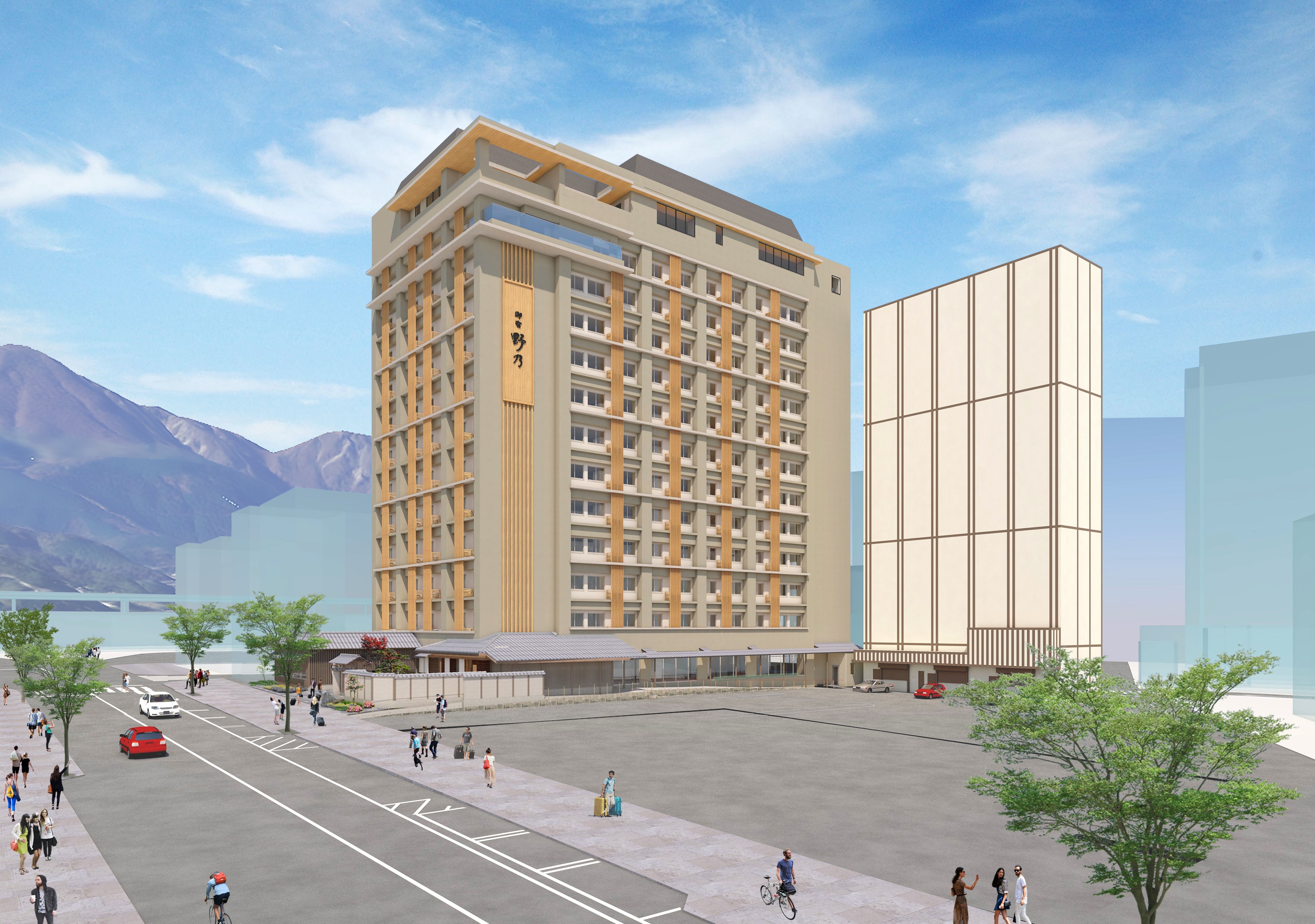
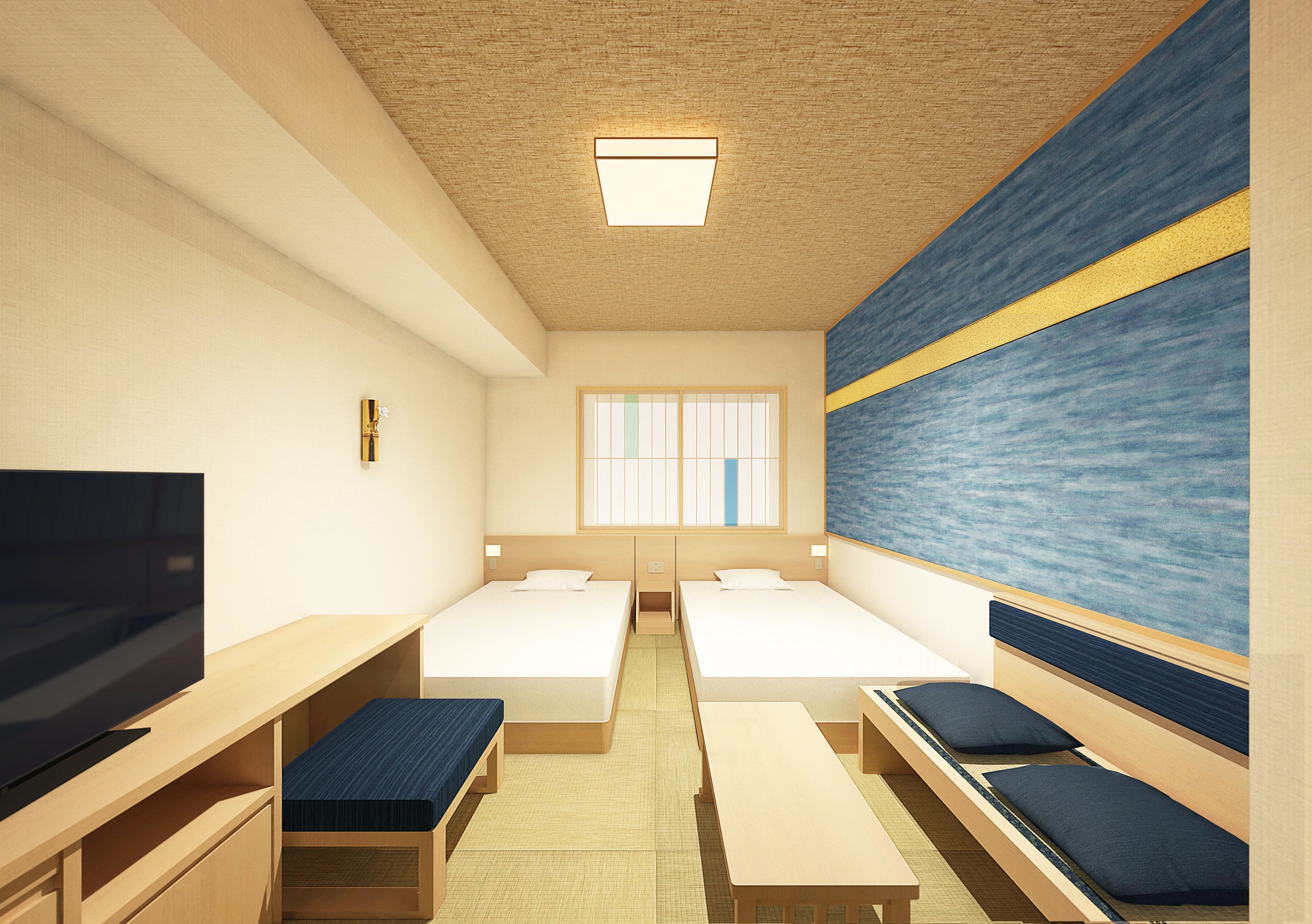

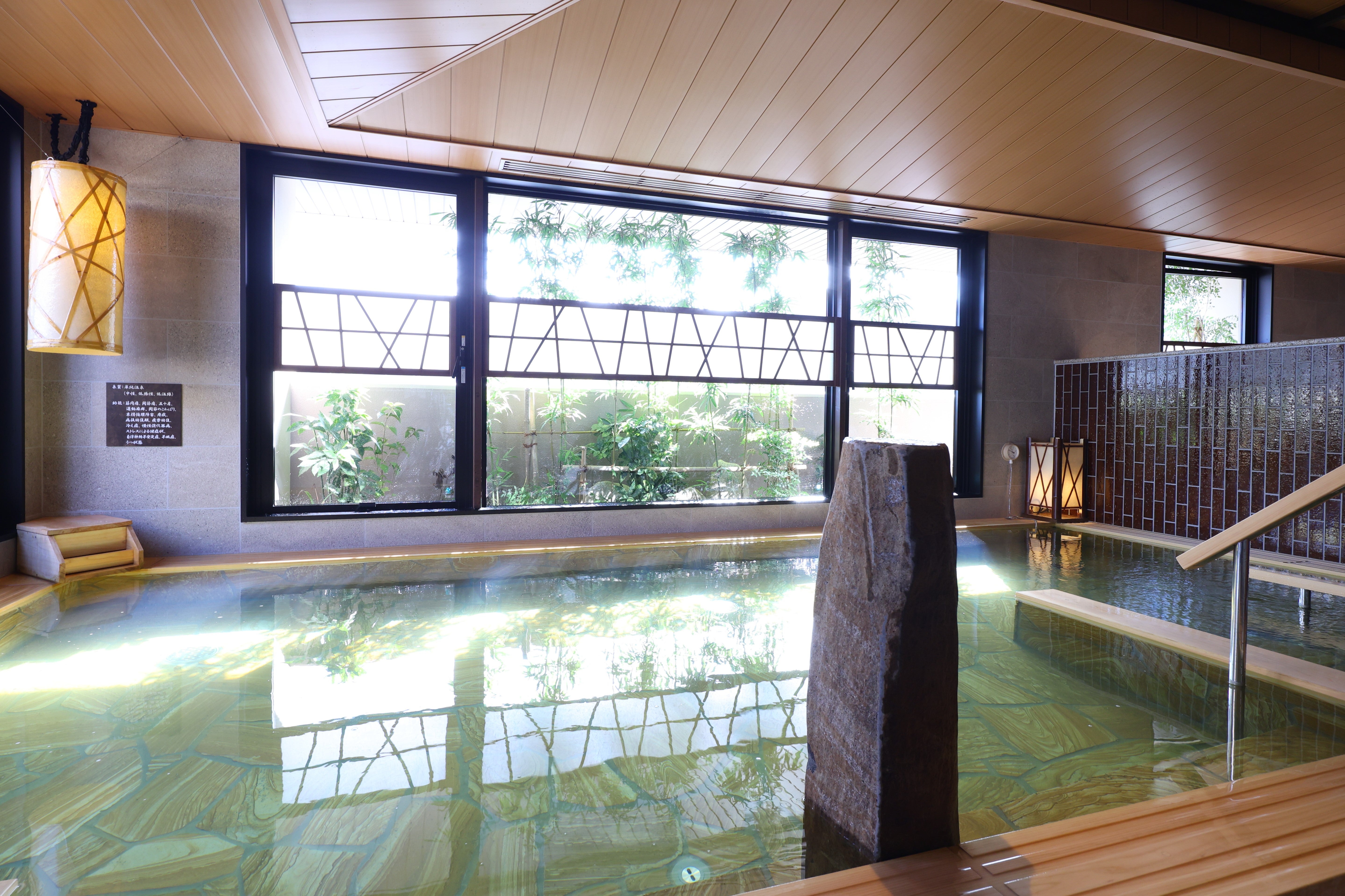

Transport and luggage: the station location removes the need for a shuttle and makes pre- or post-stay storage practical, although storage should still be confirmed. Rooms: doubles, twins and larger multi-person options exist; the smallest room may be tight for two open cases. Onsen: there is a large bath and several private-bath options, but private baths can involve a wait. Families: choose a larger room instead of the lead-in double. Meals: breakfast and any late-night service depend on the booked plan and current operation. Limitations and booking reminder: this is not the Kannawa onsen street. Check the current public-bath tattoo rule and the practical room area before paying. For two adults with two large cases, a twin or larger room is safer.
Hotel pick 2 — Kitahama: Nishitetsu Resort Inn Beppu
Best for: Oita Airport buses, intercity buses, late dining and travellers who want the waterfront without giving up central access. The hotel sits beside the Kitahama bus facilities and is roughly seven to ten minutes on foot from JR Beppu under uncomplicated conditions.
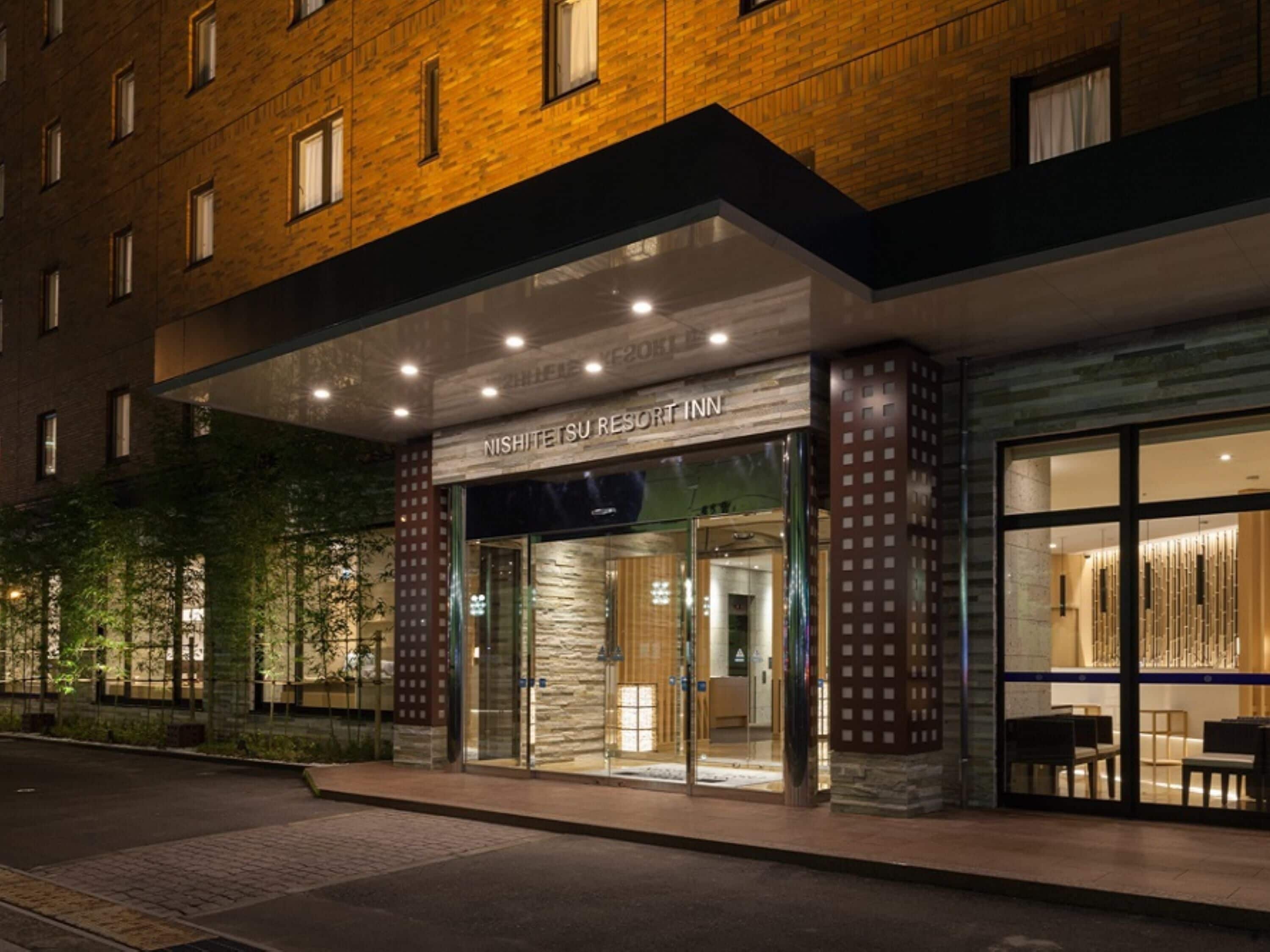
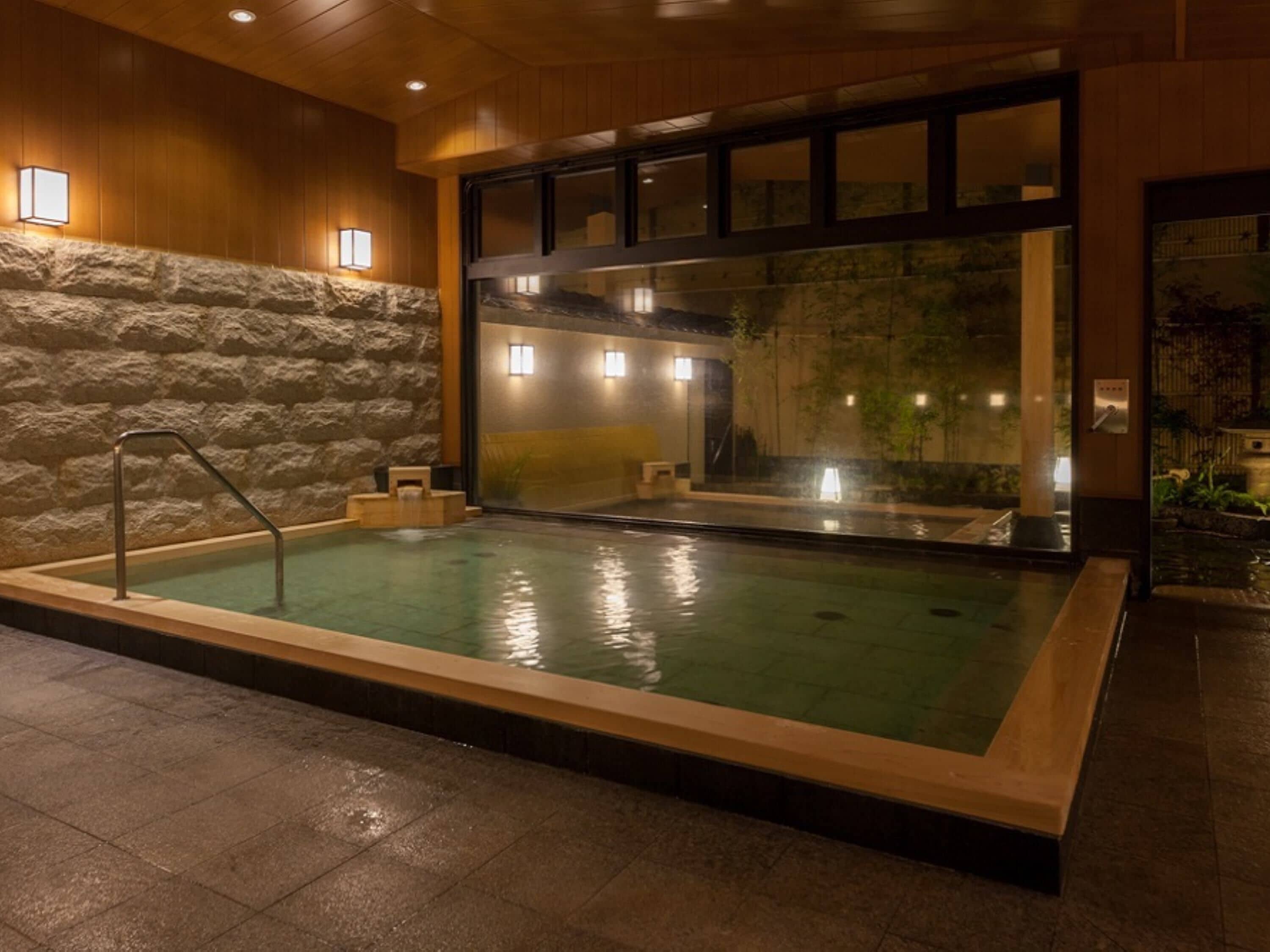

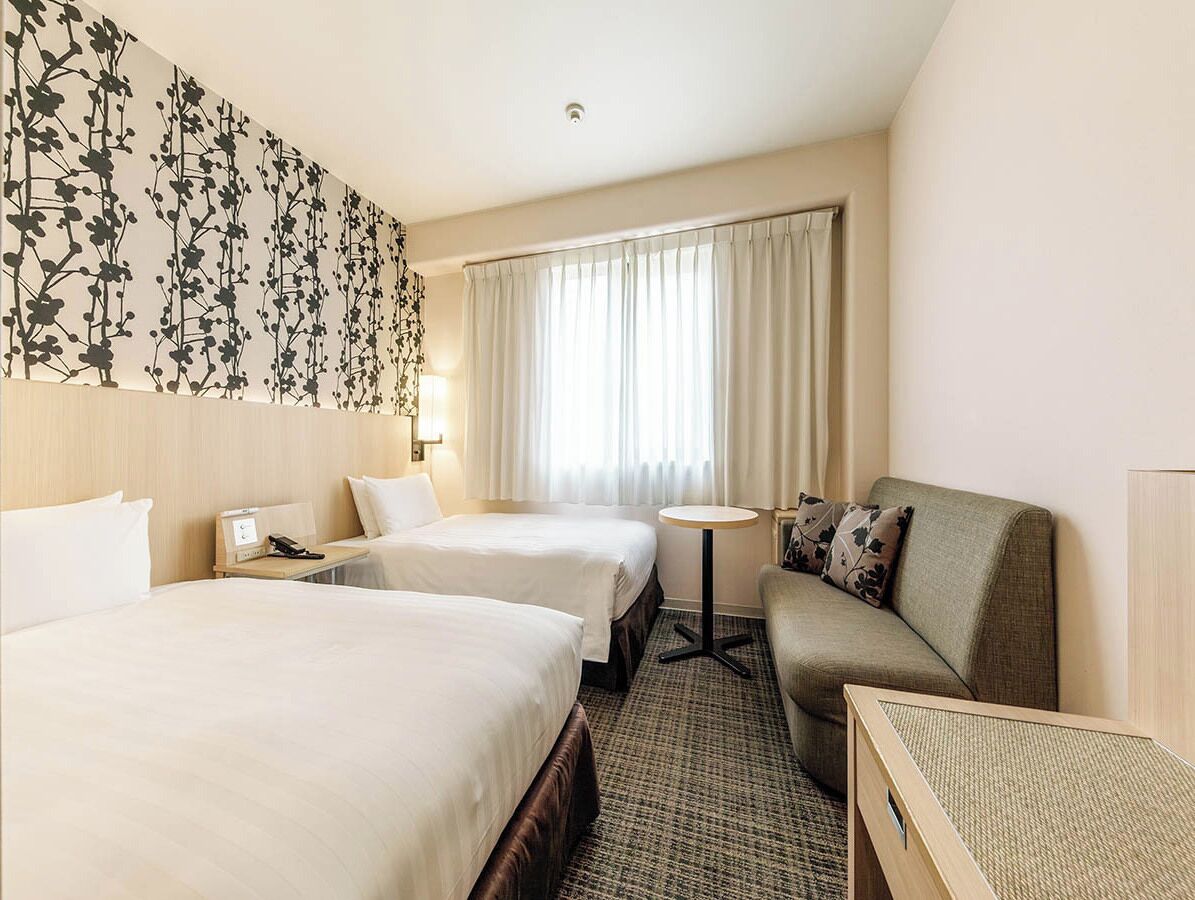

Transport and luggage: the airport-bus drop-off is the decisive advantage, and the hotel offers luggage storage. Walking from JR with a case still involves crossings. Rooms: official room types are commonly around 12–17 square metres, so the lowest-priced double is not ideal for two large cases. Onsen: an in-house bath adds value. Families: workable, but not a resort-sized room product. Meals: breakfast is available and external dinner choice is strong. Shuttle: unnecessary; check current parking fee and availability if driving. Limitations and booking reminder: its transport edge is the bus network, not immediate JR access. Do not assume a sea view in every room, and confirm the private-hotel tattoo policy rather than applying rules from municipal baths.
Hotel pick 3 — Kannawa: Sanso Kannawaen
Best for: couples and families who want the Hells, a substantial room, private hot-spring time and a ryokan dinner. Its value is highest with an afternoon arrival, not as a late-night transit bed.
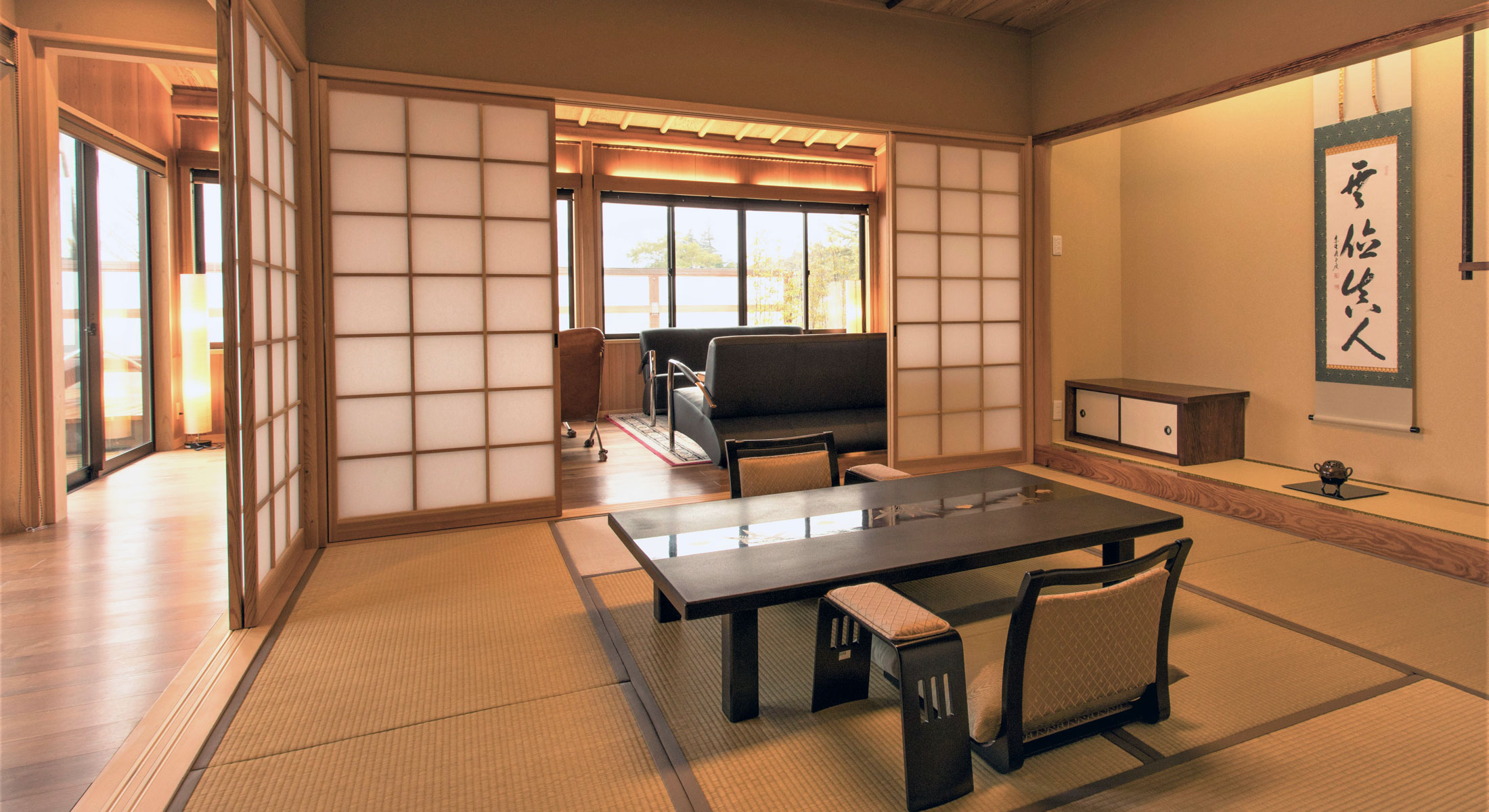
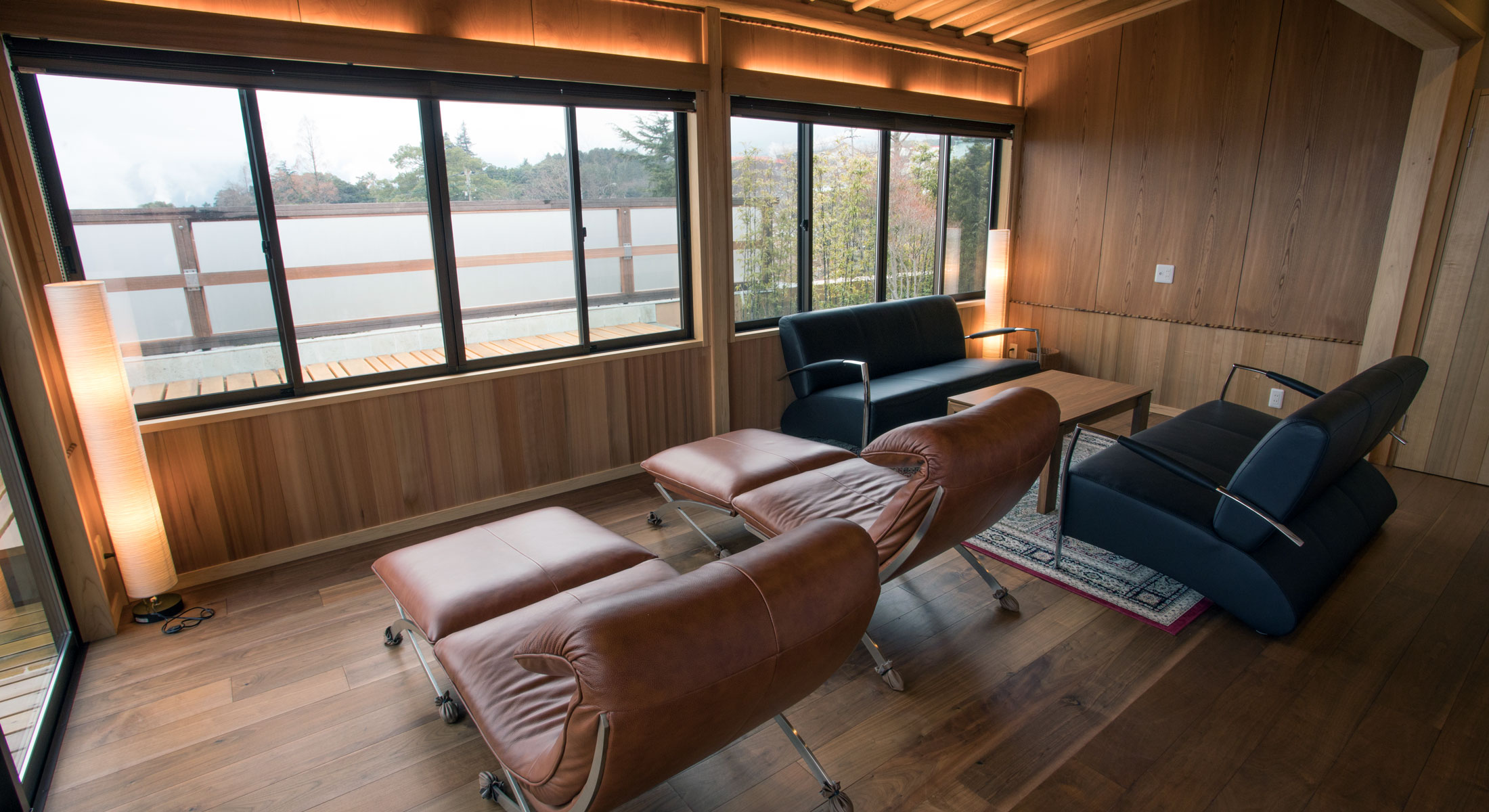

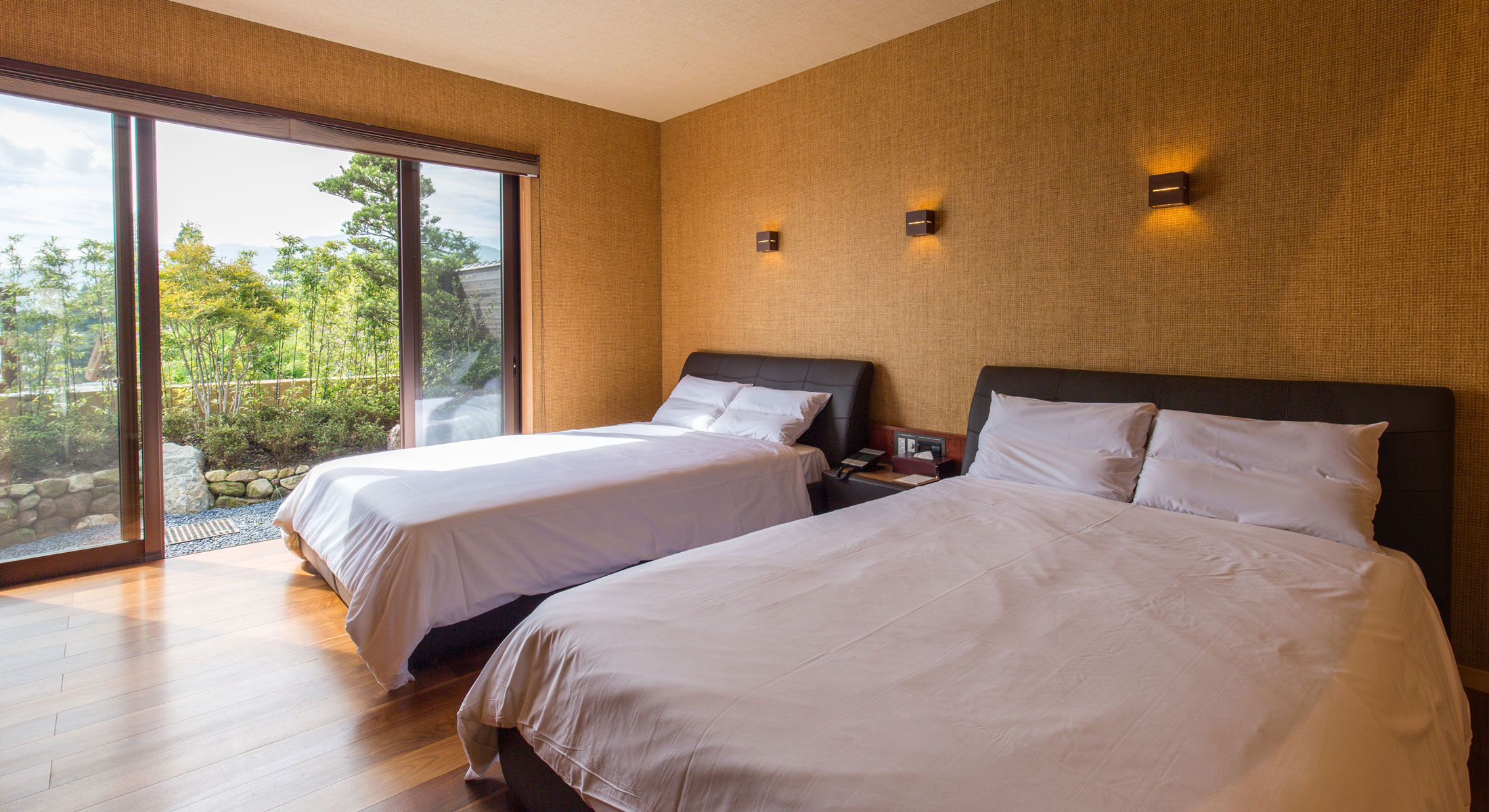

Transport and luggage: the official access information gives a taxi journey of roughly twenty minutes from Beppu Station and a fixed-time complimentary station shuttle that requires advance booking. The bus stop still leaves a walk. Rooms: options range from couples' rooms to large Japanese-Western accommodation, with private hot springs in selected categories. Onsen: an in-room bath reduces tattoo uncertainty, while the public bath still needs confirmation. Families: larger rooms are useful, but the ages, bedding and meal arrangements for children must be declared. Meals: a half-board plan is a central part of the experience. Limitations and booking reminder: the compound, slopes and room categories vary. Missing the reserved transfer can produce a taxi cost. Booking.com's current fine print warns that tattooed guests may be refused access to public bathing areas, and dinner guests need to arrive by the stated cut-off.
Hotel pick 4 — Kankaiji: Beppu SUGINOI HOTEL
Best for: families, groups of three or four, a rainy-day fallback and travellers prepared to spend half a day using the property. The baths, Aqua Garden, restaurants and entertainment are part of the rate, so a sleep-only stay is poor value.
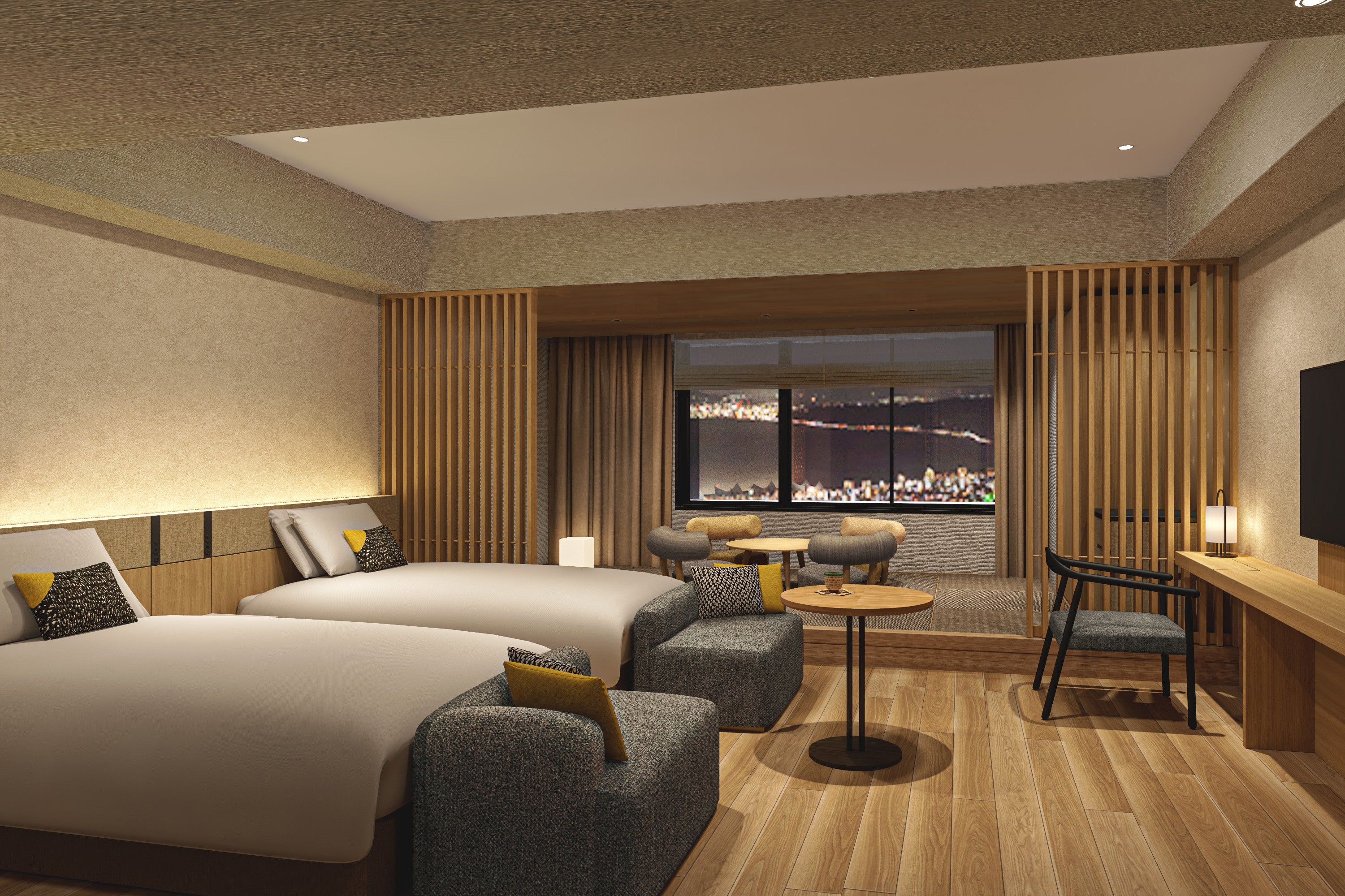
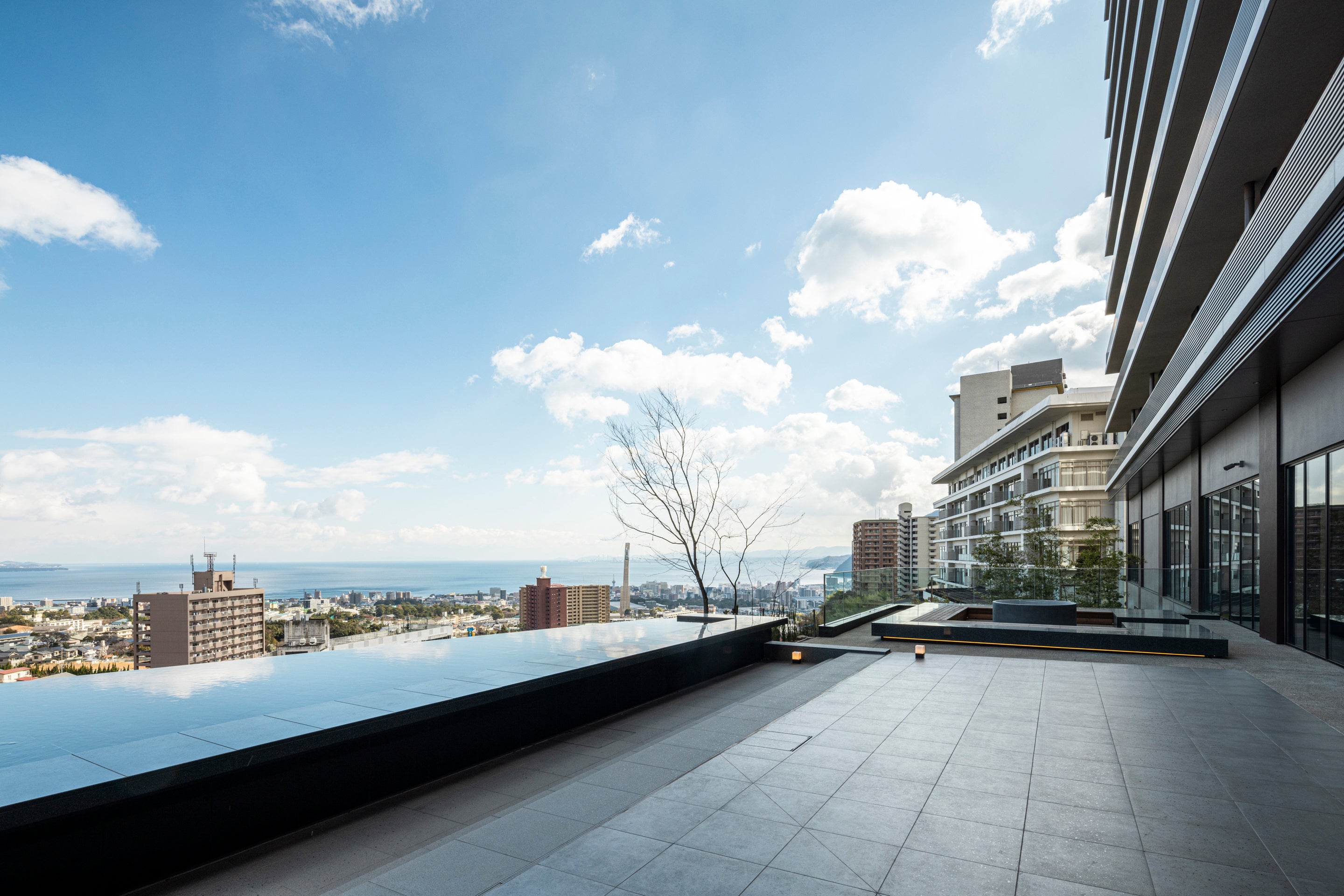

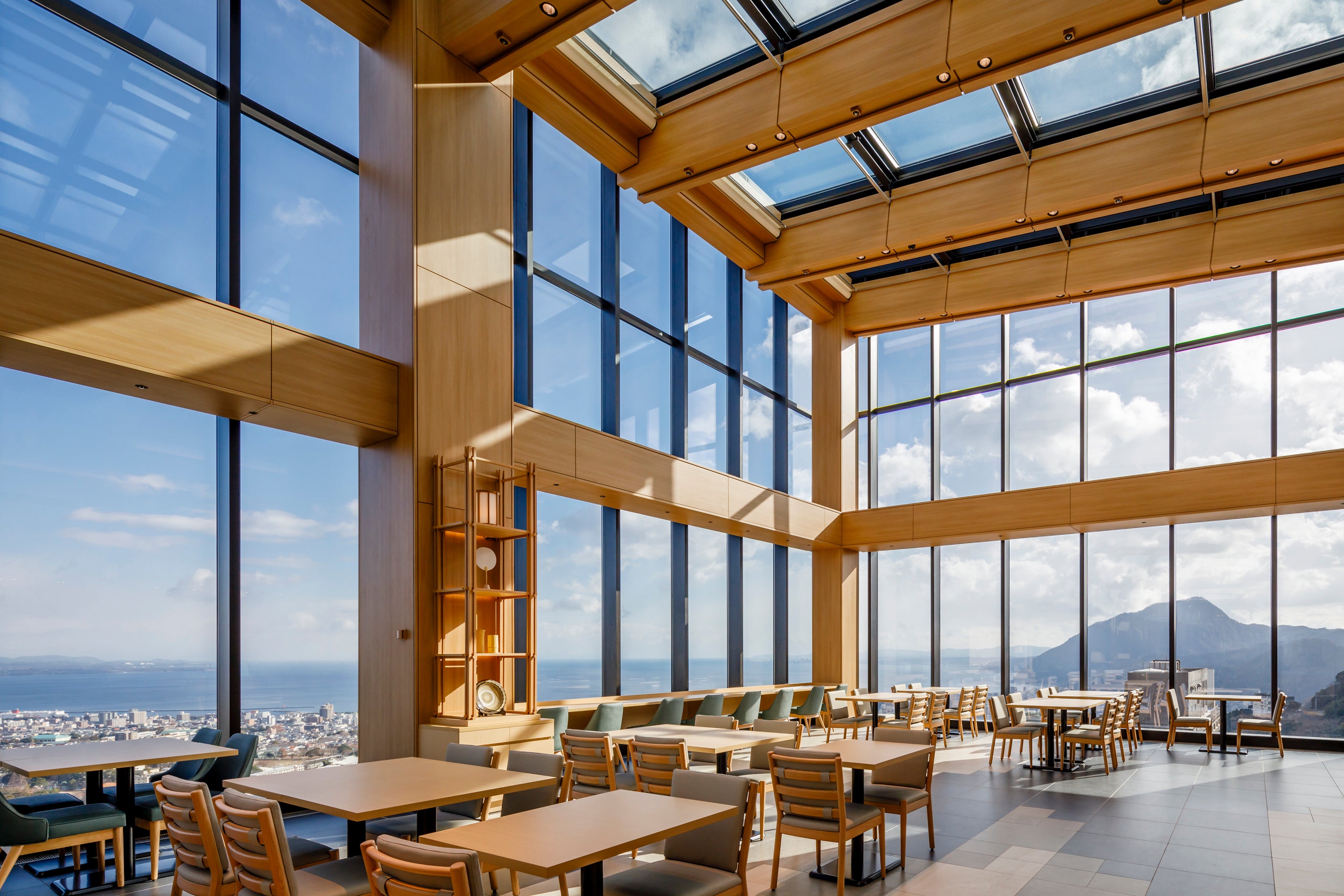

Transport and luggage: the hotel runs a Beppu Station shuttle, but the current timetable, stop and bag handling should be checked for the travel date. A station waiting lounge is not automatically a luggage-storage service. Rooms: building, view and floor area vary widely, and building assignment affects the walk to baths and restaurants. Onsen: large scenic baths and water facilities are the core draw. Families: the strongest mix of multi-person rooms, activities and in-house meals. Dining: several venues operate, with busy dates and preferred time slots requiring advance planning. Limitations and booking reminder: include shuttle waiting, check-in queues and internal walking in the real transfer time. Holiday crowds can be substantial, and seasonal facilities are not open every day of the year. A wheelchair user, pushchair or older guest should verify the exact path from room to lift, restaurant and bath.
Two backup properties
AMANEK Beppu YULA-RE (Beppu Station/central, 86): a modern alternative when the station area, a larger-feeling public space and an in-house bath matter, or when Onyado Nono is expensive. Compare the actual room area and total price on the same date. ANA InterContinental Beppu Resort & Spa (Kankaiji/Myoban side, 86): a high-budget alternative for views, dining and resort service. It is farther from central Beppu, so the transfer plan and taxi exposure are as important as the room rate.
One-night and two-night patterns
One night at Beppu Station: best for an evening arrival, an early departure or a sightseeing-heavy stay. One night in Kannawa: arrive in the afternoon, use the Hells or settle into the ryokan, then keep the evening for dinner and bathing. Two nights at Beppu Station: avoid moving bags and use buses for Kannawa; this sacrifices some onsen-town atmosphere for efficiency. One resort night in Kankaiji: check in early and leave late enough to use the facilities. One night in Yufuin plus one in Beppu: keep the ryokan evening and early morning in Yufuin, then use Beppu Station or Kitahama for the Hells and onward travel. For the destination split, read Beppu or Yufuin: where to stay. For the complete route, use the Fukuoka–Hita–Yufuin–Beppu three-day plan.
Large-luggage strategy
The simplest rule is to use Beppu Station on a rail-movement day. Before a Kannawa or Kankaiji stay, ask whether the hotel accepts bags before check-in, whether the shuttle takes large cases and whether luggage can be held after checkout. Coin lockers need a full-locker backup. Forwarding requires the exact guest name, check-in date, lead time and a check for prohibited items. A crowded local bus and an uphill pavement are poor places for two large suitcases. PENDING_INTERNAL_LINK: the route-specific Hakata–Hita–Yufuin–Beppu luggage page does not yet exist, so this draft deliberately contains no guessed or dead URL.
Common booking mistakes
Treating Beppu Station and Kitahama as the same location. Booking a half-board Kannawa ryokan for a late-night arrival. Booking Kankaiji without checking the shuttle and last departure. Choosing a sea view without considering the airport bus, JR and the next destination. Treating a quoted ten-minute drive as door-to-door time. Dragging large luggage up the Kannawa or Kankaiji slopes. Ignoring the building assignment in a large hotel compound. Assuming every Beppu hotel has a private bath; public, reservable family and in-room baths are different products. Applying one public bath's tattoo rule to a private hotel. Comparing only the lowest nightly price instead of meals, parking, transfers and cancellation terms.
Frequently asked questions
What is the best area for a first stay in Beppu?
Beppu Station is the safest default. It gives the easiest combination of JR access, luggage handling, late arrival resilience, local buses and dinner.
Can I walk from Beppu Station to Kitahama?
Most adults can in good weather. Treat roughly seven to twelve minutes as an area-level planning range, not a hotel-door guarantee; signals, rain, heat and luggage add time.
Is Kannawa difficult without a car?
No, but the stay must be organised around city-bus or ryokan-shuttle times. A late arrival, early train or several large cases makes the station a better base.
Where should I stay for the Beppu Hells?
Kannawa gives the best atmosphere and access to the five clustered Hells. Beppu Station is more flexible if the Hells are one daytime activity before onward travel.
Should a family choose Kankaiji or Beppu Station?
Choose Kankaiji when pools, baths, restaurants and hotel activities will be used. Choose the station for one short night with an early train or several off-site plans.
What is the safest choice for a tattooed traveller?
Choose by facility policy, not neighbourhood. Some public Kannawa baths explicitly allow tattoos; private hotels may not. An in-room hot spring or reservable private bath gives the most control.
Which area is best for Oita Airport?
Kitahama usually gives the most direct airport-bus access. Verify the first or last service for the exact flight date; a very early or late flight may not connect.
Do all Kankaiji hotels provide a free shuttle?
No. A shuttle is an individual hotel service and may use fixed times, reservations or luggage limits. Without confirmation, include a taxi in the budget.
For one night, should I stay at Beppu Station or Kannawa?
Choose Kannawa only when you can arrive in the afternoon and make the ryokan part of the trip. Choose the station for a late arrival or an early onward journey.
Is Kamegawa a good base?
It has specific value for the Blood Pond and Tornado Hells, selected inns, quiet stays or driving. It is not the general first choice for a car-free visit.
Related guides and next steps
Beppu or Yufuin: where to stay Fukuoka–Hita–Yufuin–Beppu three-day itinerary Beppu Hells two-day itinerary Beppu steam, sand bath and onsen guide Kyushu five-to-seven-day itinerary Fukuoka JR, subway and Nishitetsu transport guide PENDING_INTERNAL_LINK: the same-language JR/bus/car comparison, Northern Kyushu Rail Pass, Yufuin ryokan and route-specific luggage pages do not yet exist. No dead URLs were created.
Research sources checked for this draft
JR Kyushu: Beppu Station facilities and service hours Beppu official tourism: access and Oita Airport buses Kamenoi Bus: ticket and information counters Beppu Hells official access information Beppu official tourism: Kitahama Park Beppu official tourism: Kannawa Mushi-yu and tattoo notice Beppu SUGINOI HOTEL official access information Sanso Kannawaen official access and shuttle information Information last checked: July 30, 2026. Bus and shuttle timetables, bath policies, meals, rooms and parking can change; reconfirm them on the official page for the travel date.
Search all accommodation in Beppu
Once the area is fixed, compare the same-date total, floor area, child charges, meal plan, cancellation deadline and bath policy.


Comments